
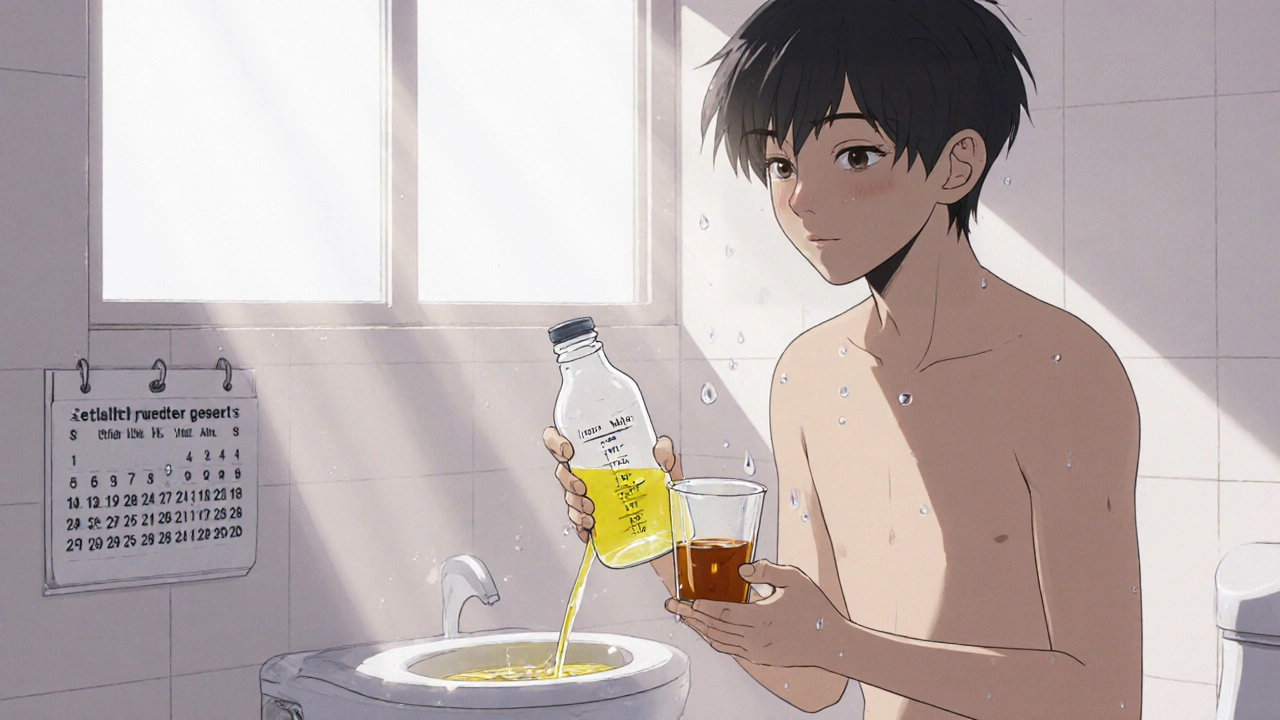
For most people, a kidney stone feels like a one-time nightmare. But if you’ve had one before, the odds are stacked against you. About 30% to 50% of people will get another stone within just three to five years. And if you don’t change anything? That number jumps to 70% in five years. This isn’t luck. It’s a chronic condition - and it demands a lifelong approach.
Think of it as a metabolic disorder, not a one-off
Kidney stones aren’t just random crystals that form and disappear. They’re the visible sign of an imbalance in how your body handles minerals and fluids. Your kidneys are trying to filter waste, but when the chemistry of your urine is off, minerals like calcium and oxalate stick together and harden. The good news? You can fix that chemistry - and you don’t need surgery to do it.Doctors now treat recurrent kidney stones like diabetes or high blood pressure: a chronic condition that needs daily management. That means you’re not just treating pain when it shows up. You’re preventing it before it starts.
Fluid intake is your #1 tool - and most people get it wrong
The single most effective thing you can do to stop kidney stones from coming back? Drink more water.Not “drink when you’re thirsty.” Not “sip a glass with meals.” You need to hit 2.5 to 3 liters of fluid every single day. That’s about 10 to 12 cups. Why so much? Because your body loses fluid through sweat, breathing, and even your skin - and you need to make sure your urine stays dilute enough to keep minerals from clumping.
Here’s the catch: thirst is a terrible guide. By the time you feel thirsty, you’re already behind. A better method? Check your urine color. If it’s pale yellow or clear, you’re on track. If it’s dark yellow or amber, drink more. Keep a marked water bottle or jug at your desk, car, or bedside. Fill it twice a day - that’s your goal.
Water is best, but tea, coffee, and even lemonade count. Yes, coffee. The National Kidney Foundation confirms caffeine doesn’t increase stone risk. In fact, a 2023 study showed people who drank coffee had slightly lower recurrence rates than those who didn’t. The key is avoiding sugary sodas. Fizzy drinks, especially colas, are linked to higher stone risk - likely because of phosphoric acid and high fructose corn syrup.
Don’t cut out calcium - add it with meals
For years, doctors told people with kidney stones to avoid dairy. That advice is outdated - and dangerous.Calcium in food actually protects you. When you eat calcium-rich foods (like milk, yogurt, cheese, or leafy greens) at the same time as oxalate-rich foods (like spinach, nuts, or beets), the calcium binds to oxalate in your gut. That means less oxalate gets absorbed into your bloodstream and ends up in your urine, where it could form stones.
But if you skip calcium, your body pulls oxalate from food straight into your urine. That’s why cutting dairy often makes stones worse. The European Association of Urology and the National Kidney Foundation both say: do not restrict calcium. Instead, aim for 1,000 to 1,200 mg of dietary calcium daily - from food, not supplements.
Supplements are different. Taking calcium pills without food can increase stone risk because the calcium doesn’t bind to oxalate properly. Stick to food sources.
Salt is the silent stone-maker
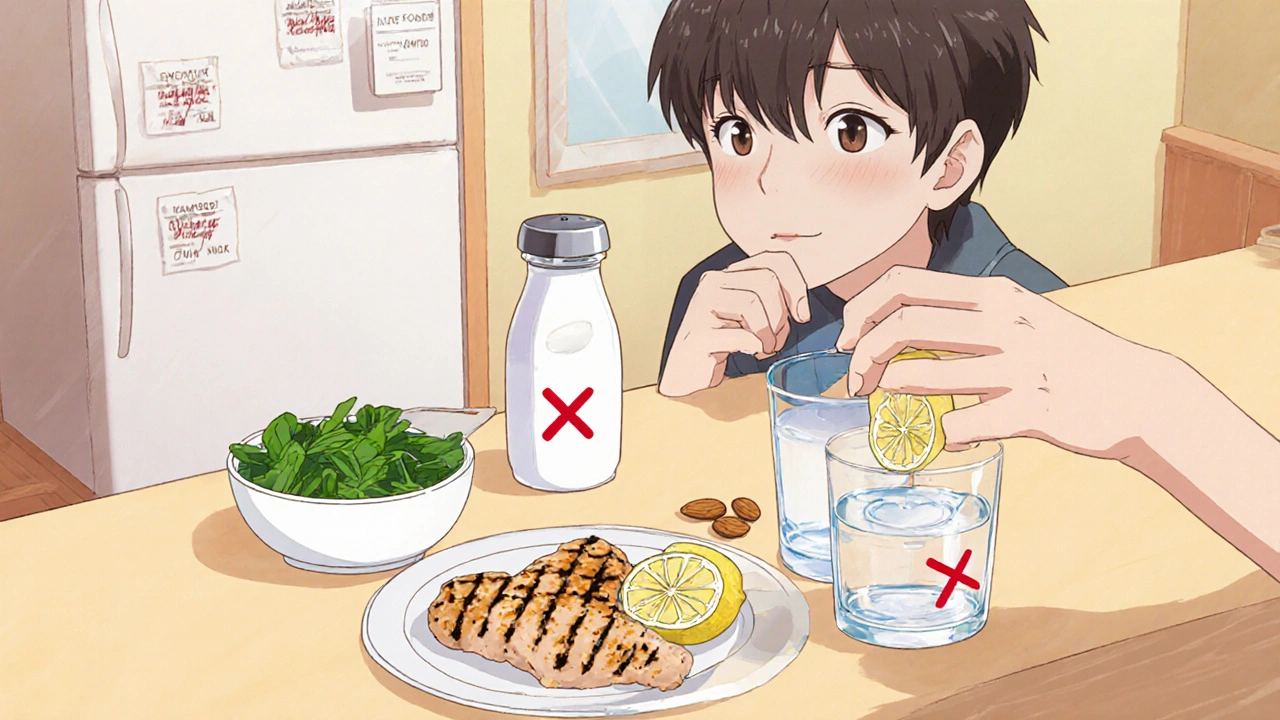
You might not realize it, but sodium is one of the biggest drivers of kidney stones. Every gram of salt you eat causes your kidneys to dump more calcium into your urine. And more calcium in urine = more stones.The goal? No more than 2 grams of sodium per day. That’s about 5 grams of salt - less than a teaspoon. But here’s the problem: 75% of sodium comes from processed foods - bread, canned soups, deli meats, sauces, frozen meals. You won’t find it on the label as “salt.” It’s listed as sodium chloride, monosodium glutamate, baking soda, or sodium nitrate.
Start reading labels. Choose low-sodium versions. Cook at home more. Skip the salt shaker. Use herbs, lemon, or vinegar for flavor. A simple swap - like choosing fresh chicken over deli slices - can cut your sodium by half in one meal.
Protein and oxalate: balance, don’t ban
Animal protein - meat, poultry, fish, eggs - increases uric acid and reduces citrate, both of which promote stone formation. The American Academy of Family Physicians recommends limiting animal protein to 8 ounces per day - about the size of a deck of cards.That doesn’t mean going vegan. It means being smart. Have eggs for breakfast, a small chicken breast at lunch, and skip steak at dinner. Swap some meat for plant proteins like beans, lentils, or tofu. These are lower in purines and often come with fiber and potassium - both protective.
As for oxalate, it’s not the enemy. You don’t need to avoid spinach, nuts, or sweet potatoes. You just need to pair them with calcium. Eat your spinach with yogurt. Have almonds with a glass of milk. This way, the oxalate binds in your gut, not your kidneys.
Lemon juice and citrate: a simple, powerful trick
Citrate is a natural blocker. It binds to calcium in urine and stops crystals from forming. Most people don’t get enough of it.The NHS and other experts now recommend adding fresh lemon juice to your water. Two tablespoons of lemon juice daily - squeezed into a glass of water - can boost citrate levels naturally. Orange juice works too, but it’s higher in sugar, so stick to lemon. Avoid bottled lemonade with added sugar.
There’s no magic pill here. Citrate supplements exist, but studies show they’re not much better than lemon juice - and they cost more. The lemon trick is cheap, safe, and backed by real evidence.
What to avoid - and why
- Fizzy drinks - Especially colas. Phosphoric acid and sugar both raise stone risk.
- Excess vitamin C supplements - More than 1,000 mg daily can convert to oxalate in your body.
- High-dose calcium supplements - Take them with food only if prescribed. On their own, they can increase stone risk.
- Dehydration - Even one day of low fluid intake can trigger a stone. Don’t wait for thirst.
Monitoring your progress
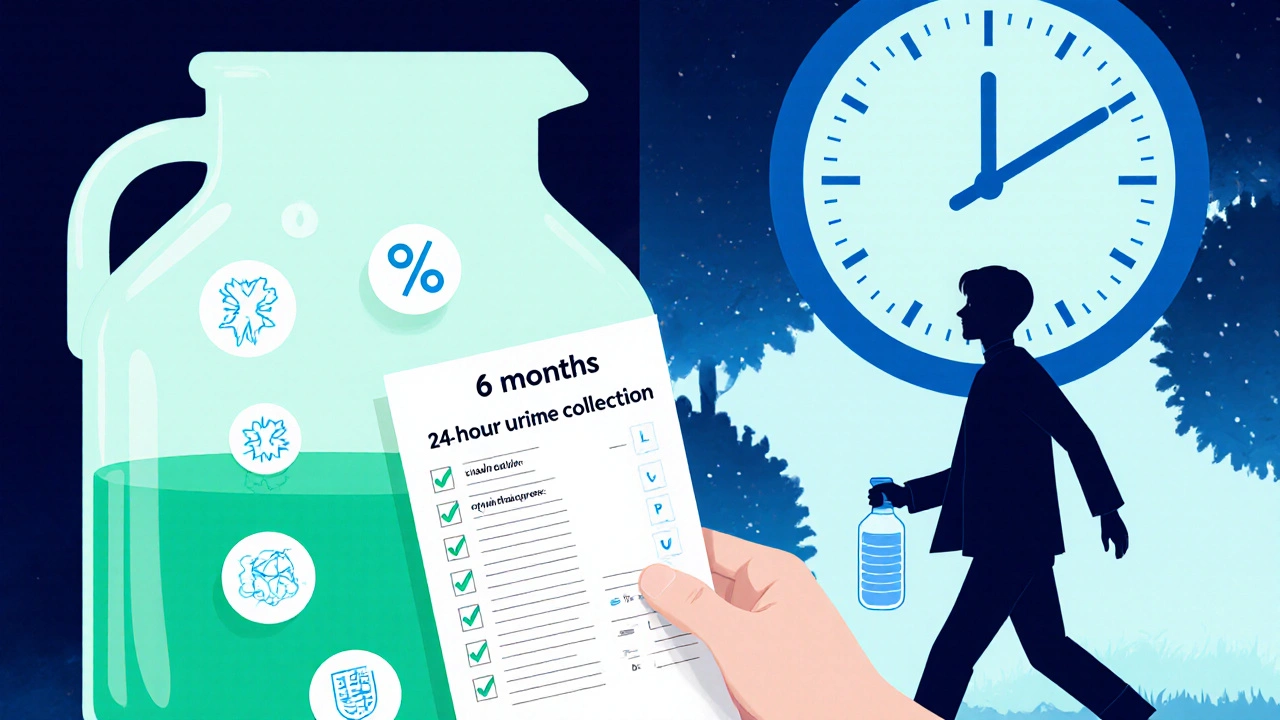
Prevention isn’t guesswork. After three months of dietary changes, your doctor should order a 24-hour urine test. This tells you exactly what’s in your urine - calcium, oxalate, citrate, pH, volume. It’s the only way to know if your plan is working.Many people think, “I’m drinking more water, so I’m fine.” But if your citrate is still low or your sodium is too high, you’re still at risk. The test shows you what to tweak.
Follow-up tests are recommended every 6 to 12 months. This isn’t optional. It’s how you stay ahead of the stones.
It’s a marathon, not a sprint
The data is clear: recurrence rates are 14% at one year, 35% at five years, and 52% at ten years without changes. But with consistent diet and fluid habits, you can cut that risk by 40% to 50%.That’s not a miracle. It’s science. And it’s doable. You don’t need to be perfect. You just need to be consistent. One day of salty food won’t ruin everything. One day without enough water might.
Think of it like brushing your teeth. You don’t do it once and expect to never get a cavity. You do it every day - because prevention is the only thing that works.
And yes, it’s hard. It takes planning. It means reading labels. It means carrying a water bottle. But every time you choose water over soda, or yogurt over processed meat, you’re not just avoiding pain. You’re protecting your kidneys - and your future health.
Can I still drink coffee if I have kidney stones?
Yes. Coffee doesn’t increase kidney stone risk. In fact, studies show people who drink coffee may have slightly lower recurrence rates than those who avoid it. The key is to drink it without sugar or creamer, and make sure you’re still hitting your daily fluid target of 2.5 to 3 liters. Water should still be your main drink.
Should I take potassium citrate supplements?
Not unless your doctor recommends it. While citrate helps prevent stones, most people get enough from natural sources like lemon juice or orange juice. Supplements can cause side effects like stomach upset and aren’t proven to be better than dietary changes. A 24-hour urine test will tell you if you need them.
Is the DASH diet good for preventing kidney stones?
Yes. The DASH diet - designed for high blood pressure - is also excellent for kidney stone prevention. It’s rich in fruits, vegetables, whole grains, and low-fat dairy, and low in salt and red meat. Studies show it reduces stone risk by 40% to 50%. It’s not a fad - it’s a proven, balanced way to eat for long-term kidney health.
Do I need to avoid spinach and nuts completely?
No. You don’t need to avoid oxalate-rich foods like spinach, nuts, or beets. The trick is to eat them with calcium-rich foods at the same meal. For example, have spinach with yogurt or almonds with milk. This binds the oxalate in your gut, so it doesn’t reach your kidneys. Cutting these foods out entirely can make you miss out on important nutrients.
How do I know if my prevention plan is working?
Get a 24-hour urine test after three months of following your plan. This test measures the levels of calcium, oxalate, citrate, sodium, and volume in your urine. If your citrate is above 320 mg/day, your urine volume is over 2.5 liters, and your sodium is under 2 grams, you’re on track. If not, your doctor can adjust your diet or recommend medication.
Can kidney stones cause long-term kidney damage?
Yes. Recurrent stones can lead to chronic kidney disease in up to 19% of people who keep getting them. Repeated blockages, infections, and inflammation can slowly damage kidney tissue. That’s why prevention isn’t just about avoiding pain - it’s about protecting your long-term kidney function. Treating this as a chronic condition makes all the difference.
So let me get this straight: drink water, eat yogurt with spinach, and avoid soda? That’s it? No pills? No magic? Just… life? You’re telling me the entire medical establishment has been lying to us for decades? I’ve been sold kidney stone supplements since 2015. Now I’m supposed to believe lemon juice is the real deal? This feels like a corporate cover-up.
I read this whole thing and honestly I’m just tired now. I drink water when I remember. I eat what I want. I don’t care about sodium labels. I’ve had two stones. I’ll have more. It’s just how my body works. I’m not changing my life for a 40 percent reduction in risk. I’m not a lab rat.
I’ve been doing the lemon water thing for six months now and honestly it’s been life-changing. I used to get stones every 8 months. Now it’s been 18. I don’t even think about it anymore. I just fill my bottle in the morning and squeeze lemon in it. It’s not perfect. Some days I forget. But I keep trying. You don’t have to be perfect. Just keep going.
Water. Lemon. No salt. That’s the whole plan. Stop overcomplicating it. Your body knows what to do. You just have to stop sabotaging it.
Thank you for this meticulously researched and clinically grounded overview. The integration of evidence-based dietary protocols with physiological mechanisms is both refreshing and necessary in an era of misinformation. The emphasis on 24-hour urine analysis as a diagnostic cornerstone is particularly commendable and aligns with current urological best practices. Consistency, not perfection, remains the cornerstone of long-term renal health.
I used to think I had to give up everything I loved. Turns out I just had to pair things right. Almonds with milk. Spinach with cheese. Coffee in the morning. Water all day. It’s not a diet. It’s just… how I eat now. No stress. No guilt. Just better kidneys.
Hey, I’m from a country where people drink tea all day and never get stones. Maybe it’s not just about water volume, but about what you’re drinking. I’ve seen my grandma drink strong black tea with sugar and never have one problem. Maybe the real enemy isn’t soda-it’s processed sugar and artificial additives. Just saying.
It’s interesting how the medical community has shifted from surgical intervention to metabolic management. The parallels with hypertension and diabetes are valid. Prevention through daily behavioral modification is far more sustainable than reactive treatment. Still, compliance remains a challenge for most patients.
Bro I live in India and we drink nimbu pani (lemon water) every morning since forever. No one here gets kidney stones. Also we eat curd with every meal. You think it’s a coincidence? It’s not. Our grandmas knew. We just forgot. Start with lemon water. It’s free. It’s easy. It works.
The DASH diet point is spot on. I followed it after my second stone and my blood pressure dropped too. It’s not just for kidneys. It’s for your whole system. I didn’t lose weight. I didn’t feel deprived. I just ate better. And now I don’t dread the next ultrasound.
Wait… so coffee prevents stones? But I read somewhere that caffeine dehydrates you? And now they say it’s fine? Who do we trust? The FDA? The NKF? Or the guy on YouTube with the 200k followers? I don’t know anymore. Everything’s flipped upside down.
Let’s be real. The pharmaceutical industry doesn’t want you drinking lemon water. They make billions off citrate pills, urine tests, and shockwave machines. This whole article smells like a stealth marketing campaign disguised as science. Who funded this? Who benefits? Don’t be fooled.
I cried reading this. I had a stone last year that felt like someone was grinding glass in my gut. I thought I was done. But then I realized-I didn’t change anything. I just waited for the pain to come back. This isn’t just advice. It’s a lifeline. I’m starting tomorrow. Lemon water. No salt. I’m not giving up on my kidneys.
They’re hiding the truth. Water doesn’t prevent stones. It’s the fluoride in tap water. That’s what’s causing them. The government knows. They don’t care. Drink bottled. Filtered. Anything but city water.
What if the real problem isn’t what we eat-but what we’re not feeling? We’re disconnected from our bodies. We ignore thirst. We eat on autopilot. We chase convenience. Maybe the stone isn’t in the kidney. Maybe it’s in the way we live. The lemon water? It’s not medicine. It’s a reminder: pay attention. Be here. Slow down.