
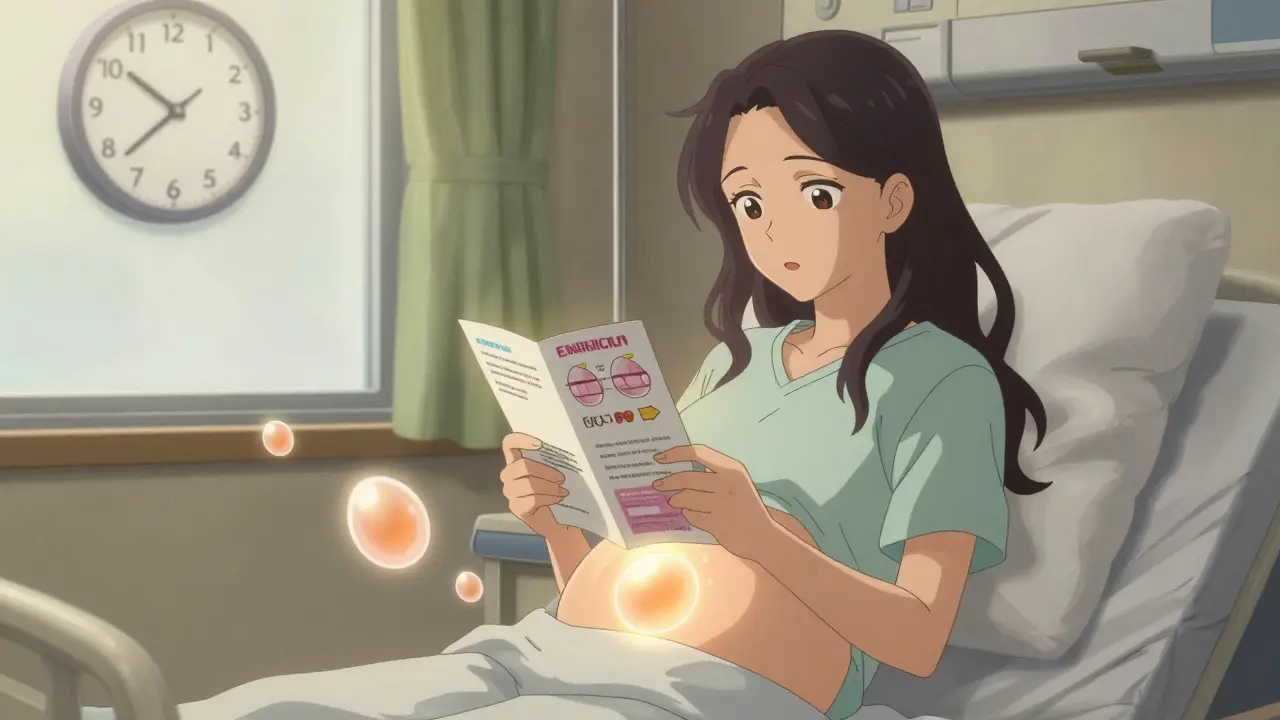
When you’re facing a cancer diagnosis, the focus is understandably on survival. But for many people, especially those in their 20s, 30s, or early 40s, there’s another quiet question that lingers: Will I ever be able to have children? Chemotherapy doesn’t just attack cancer cells-it can also wipe out fertility. The good news? There are proven ways to protect your ability to have biological children before treatment starts. And the window to act is narrower than most people realize.
Why Fertility Preservation Matters
Not all chemotherapy is created equal when it comes to fertility. Some drugs, especially alkylating agents like cyclophosphamide and ifosfamide, are known to be highly damaging to eggs and sperm. According to the American Society of Clinical Oncology (ASCO), about 80% of common chemotherapy regimens carry a high risk of causing premature ovarian failure or permanent infertility. For women, this means early menopause-sometimes as soon as a few months after treatment ends. For men, it can mean a drastic drop in sperm count, sometimes to zero. The impact isn’t just physical. A 2022 study at MD Anderson Cancer Center found that 68% of women aged 18 to 35 who didn’t pursue fertility preservation later expressed regret. That regret often comes not from the treatment itself, but from the missed opportunity to preserve options.Options for Women: Egg Freezing, Embryo Freezing, and More
For women, the most common and reliable methods are egg freezing and embryo freezing. Both start with the same step: ovarian stimulation. You’ll take hormone injections for 10 to 14 days to mature multiple eggs. This process is timed around your menstrual cycle, but newer “random-start” protocols allow you to begin treatment at any point, cutting down the delay before chemotherapy. Once the eggs are mature, they’re retrieved through a minor outpatient procedure. Under ultrasound guidance, a thin needle is inserted through the vaginal wall to collect the eggs. The procedure takes about 20 minutes, and most people go home the same day. Egg freezing (oocyte cryopreservation) is ideal if you don’t have a partner or don’t want to use donor sperm. The eggs are frozen using a rapid technique called vitrification. Success rates have improved dramatically-today, about 4 to 6% of frozen eggs lead to a live birth. That means you may need to freeze 15 to 20 eggs to have a good chance of one child. It’s not a guarantee, but it’s a real shot. Embryo freezing is the most successful option. After eggs are retrieved, they’re fertilized with sperm in the lab to create embryos. These are then frozen. For women under 35, the live birth rate per embryo transfer is between 50% and 60%. But this method requires sperm-either from a partner or a donor. That can be a barrier for single women or those in same-sex relationships.Ovarian Tissue Freezing: The Only Option for Young Girls
For girls who haven’t gone through puberty, or for women who can’t delay chemotherapy for even two weeks, there’s another option: ovarian tissue cryopreservation. In this procedure, a surgeon removes small strips of ovarian tissue through a laparoscopic surgery. The tissue, which contains thousands of immature eggs, is frozen and stored. Years later, if the patient wants to have children, the tissue can be thawed and reimplanted. This isn’t just experimental anymore. As of 2023, over 200 live births have been reported worldwide from this method. It’s the only option for prepubertal girls and is now recommended by the Children’s Oncology Group for all girls facing gonadotoxic treatment. It also works for women who can’t do hormone stimulation-for example, those with estrogen-sensitive breast cancer. The downside? The tissue doesn’t always survive reimplantation. Success rates for restoring ovarian function are around 65% to 75%, and pregnancy isn’t guaranteed. Still, for many, it’s the only path forward.Ovarian Suppression: A Shield, Not a Solution
Another approach is using drugs called gonadotropin-releasing hormone agonists (GnRHa), like goserelin (Zoladex). These are monthly shots that temporarily shut down ovarian function, putting your ovaries into a protective pause during chemotherapy. It’s not a standalone solution. Studies show it reduces the risk of premature ovarian failure by 15% to 20%. That’s meaningful, but it doesn’t replace egg or embryo freezing. Think of it as a backup shield, not the main defense. It’s also not without side effects. Many women report severe menopausal symptoms-hot flashes, night sweats, vaginal dryness. One survey found that 31% of women stopped taking the drug because the side effects were too hard to manage. It’s also not FDA-approved specifically for fertility preservation, so it’s considered off-label use.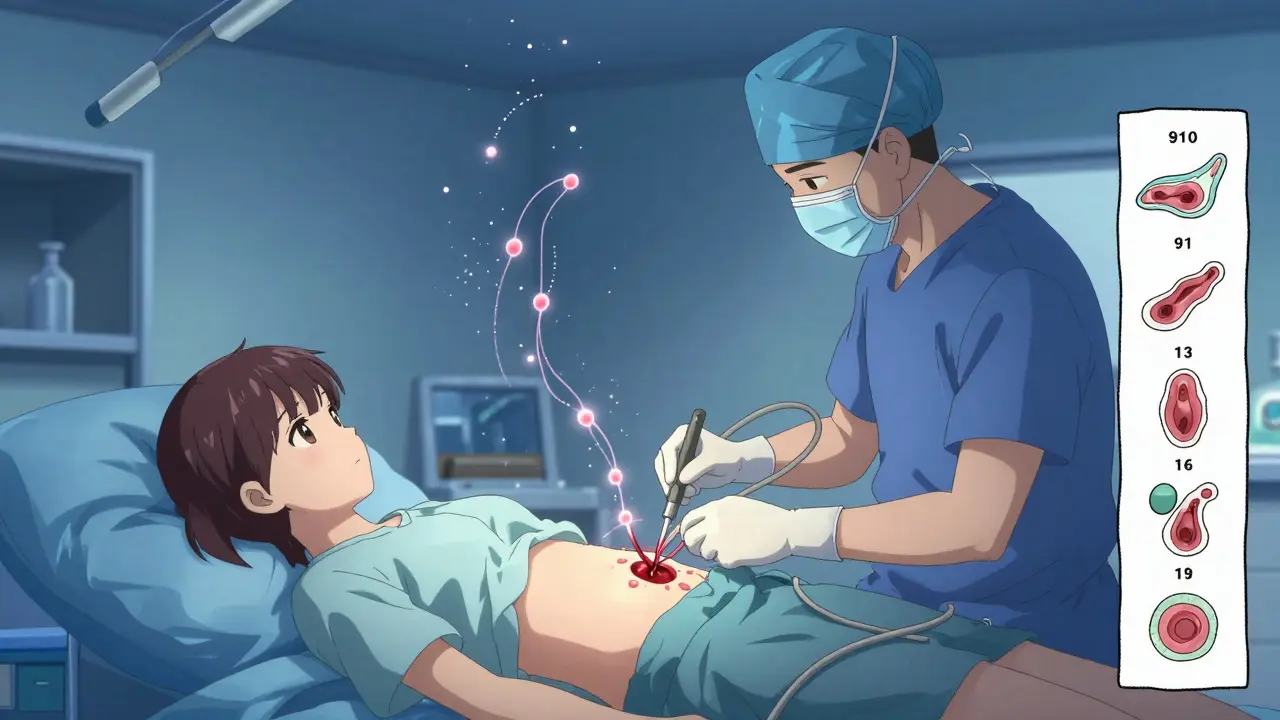
Options for Men: Simple, Fast, and Effective
For men, fertility preservation is straightforward. Sperm banking is the gold standard. You produce a sample through masturbation, and it’s frozen and stored. No hormones. No surgery. No delay. The process takes two to three days of abstinence, and collection is ideally done within 72 hours of starting chemotherapy. Post-thaw sperm motility rates are typically 40% to 60%, which is more than enough for IVF or IUI later on. The success rate? If you freeze at least one sample with good quality sperm, your chances of biological parenthood are very high. For boys who haven’t hit puberty, testicular tissue freezing is still experimental. Researchers are working on it, but there are no proven clinical protocols yet. So for now, sperm banking is the only reliable option for adult men.Radiation Shielding: Protecting What You Can
If you’re getting radiation therapy to the pelvis or abdomen, there’s another tool: radiation shielding. Custom-made lead shields can be placed over the testes or ovaries to block up to 90% of scattered radiation. This doesn’t help against chemo damage, but for patients getting pelvic radiation, it can make a huge difference in preserving fertility. It’s simple, non-invasive, and often overlooked. Ask your radiation oncologist if shielding is an option. It’s standard practice in many centers-but not all.Timing Is Everything
The biggest mistake? Waiting too long. Many patients don’t even know these options exist until after chemotherapy starts. But time is tight. For people with aggressive cancers like leukemia, you might have only 48 to 72 hours before treatment begins. ASCO recommends that every cancer patient be referred to a reproductive specialist within 14 days of diagnosis. Yet, only 37% of eligible patients complete any form of fertility preservation. Why? Treatment urgency. Lack of awareness. Insurance hurdles. Emotional overwhelm. If you’re facing cancer, make fertility preservation part of your initial care plan. Talk to your oncologist. Ask for a referral. Don’t assume it’s too late or too complicated.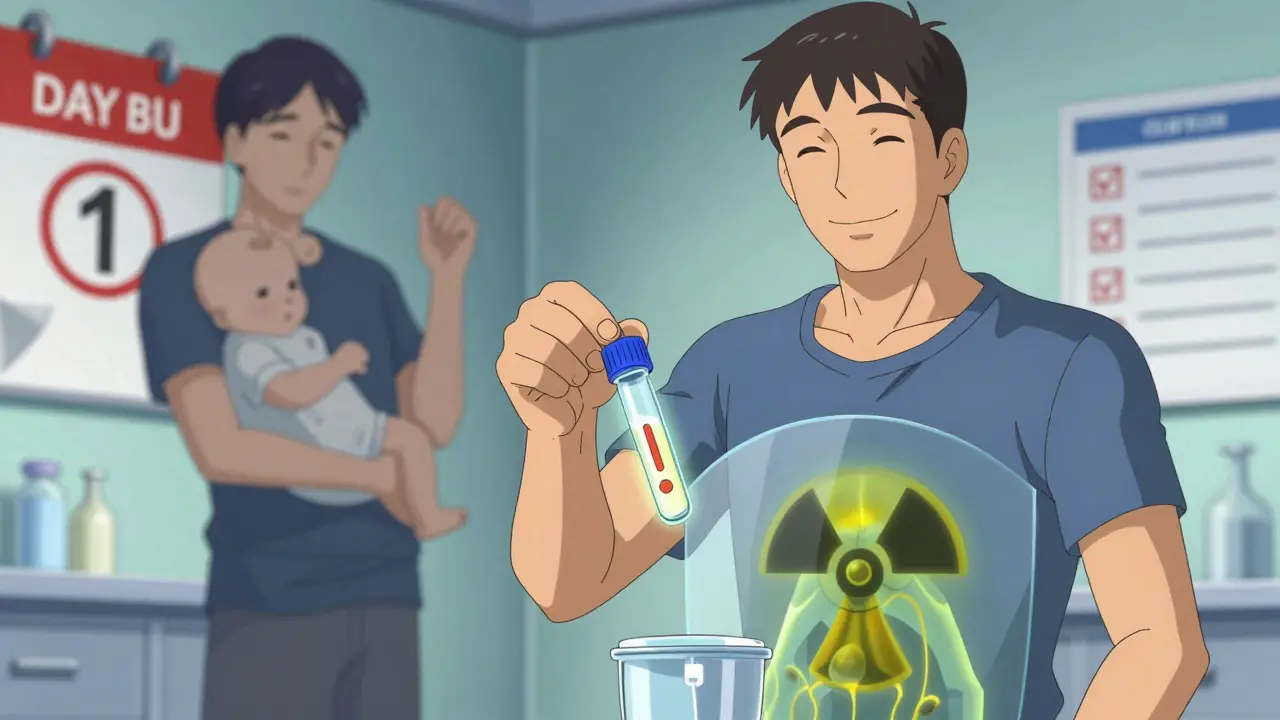
Cost, Insurance, and Access
Cost is a real barrier. Egg freezing can run $10,000 to $15,000 per cycle, not including storage. Sperm banking is cheaper-around $500 to $1,000 to start. But insurance doesn’t always cover it. As of 2026, 24 U.S. states require insurers to cover fertility preservation for cancer patients. But Medicaid covers it in only 12 states. Rural patients often travel over 170 miles to reach a fertility clinic. Urban patients? About 20 miles. If you’re denied coverage, appeal. Many patients succeed on the second try. There are also nonprofit programs and sliding-scale clinics that help reduce costs.What Happens After Cancer?
Preserved eggs, embryos, or tissue aren’t meant to be used right away. They’re stored for years-sometimes decades. When you’re ready, you’ll work with a fertility specialist to thaw and use them. For ovarian tissue, reimplantation can restore natural hormone production, meaning you might conceive on your own. For frozen eggs or embryos, you’ll need IVF. And yes-it works. There are documented cases of women who had ovarian tissue transplanted five years after chemotherapy and went on to have healthy babies. One woman, a BRCA1 carrier, gave birth to twins after five years of amenorrhea.Final Thoughts
Fertility preservation isn’t a luxury. It’s part of cancer care. It’s not about giving false hope-it’s about giving real choices. Whether you’re a man freezing sperm, a woman freezing eggs, a girl getting tissue removed, or someone using a shield to protect what’s left-you’re not just fighting cancer. You’re fighting for your future. Don’t wait. Don’t assume. Ask. Advocate. Act. Your body may be under attack, but your future doesn’t have to be.Can I still preserve my fertility if I’m already in chemotherapy?
It depends on how far along you are. If you’ve already started chemo, especially with drugs that are highly toxic to reproductive cells, options are very limited. Egg or sperm freezing is usually not possible once treatment begins. Ovarian tissue freezing may still be an option if you haven’t had pelvic radiation or surgery. Talk to your oncologist and a fertility specialist immediately-even late intervention can sometimes help.
Does freezing eggs or sperm guarantee I’ll have a child later?
No, it doesn’t guarantee it. Freezing eggs gives you a chance, not a promise. For women under 35, freezing 15 to 20 eggs gives you about a 50% chance of one live birth. Sperm freezing is more reliable-if you have a good sample, the chances of using it successfully later are high. But success depends on many factors: age at freezing, quality of the sample, future health, and access to IVF.
Is fertility preservation covered by insurance?
In 24 U.S. states, insurance must cover fertility preservation for cancer patients. But Medicaid coverage is only available in 12 states. Many private insurers still deny claims, especially for egg freezing. You can appeal denials-many patients succeed on the second try. Ask your clinic’s financial counselor; they often help navigate insurance.
What if I’m not in a relationship? Can I still freeze my eggs?
Yes. Egg freezing doesn’t require a partner. You can freeze your eggs using your own genetic material and use donor sperm later if you choose. Embryo freezing requires sperm, so if you’re single, egg freezing is your best option. Many single women choose this path, and it’s becoming more common.
Can children freeze their fertility before cancer treatment?
Yes, but only through ovarian tissue cryopreservation for girls and testicular tissue cryopreservation (still experimental) for boys. For girls, tissue is removed from the ovary and frozen. When they’re older and ready to have children, the tissue can be transplanted back. This is the only option for prepubescent children and is now recommended by major pediatric oncology groups.
Just found out my cousin did egg freezing before chemo and now she’s got a toddler 😭
Y’all don’t realize how much this stuff matters until you’re staring at a clock that’s ticking faster than your cancer doc lets on.
I’m not crying, you’re crying. But seriously-ask for the referral. Don’t wait. I wish someone had told me this sooner.
Also, sperm banking is FREE at some clinics if you ask. Just say you’re scared. Works every time. 💯
Thank you for this comprehensive and compassionate overview. As a healthcare provider who works closely with oncology patients, I cannot stress enough the importance of early referral to reproductive endocrinology.
Many patients are overwhelmed by diagnosis and assume fertility preservation is an afterthought. It is not. It is a critical component of holistic care.
For women under 35, the data is clear: freezing even 10-12 eggs can significantly improve future reproductive potential. For men, sperm banking remains one of the most accessible and effective interventions in oncology.
Please, if you are reading this and facing treatment-speak up. Advocate. You deserve to have options for your future self.
Man I didn’t even know any of this existed until my buddy went through it.
He did sperm banking in like 2 days and now he’s got a kid on the way.
It’s wild how simple it is for guys.
For girls it sounds way harder but I’m glad there’s options.
Just don’t ignore it. It’s not just about kids-it’s about feeling like you still have control.
Peace out.
❤️
Let’s be brutally honest: the success rates for egg freezing are statistically negligible for women over 35. The industry markets this as a miracle, but the data says otherwise.
According to ASCO’s own 2021 meta-analysis, the cumulative live birth rate per egg retrieval cycle for women aged 38-40 is 12.3%.
And ovarian tissue freezing? A 65% success rate for reimplantation doesn’t equate to 65% chance of pregnancy. That’s misleading marketing.
Patients are being sold hope wrapped in a $15,000 bow. We need transparency, not cheerleading.
OMG I just cried reading this I’m 32 and diagnosed last week and I had NO IDEA
My oncologist didn’t mention ANYTHING until I asked like 3 days in
Now I’m freaking out because I don’t have a partner and I’m terrified I’ll never be a mom
But wait-egg freezing without a partner is possible??
YES??
OH MY GOD
I’M GOING TO DO THIS
AND I’M TELLING EVERYONE
IF YOU’RE READING THIS AND YOU’RE ABOUT TO START CHEMO
STOP. BREATHE. CALL A FERTILITY CLINIC.
YOU CAN DO THIS
YOU’RE NOT ALONE
❤️🔥
I’m 41 and just finished chemo. I didn’t do anything because I thought it was pointless.
Now I’m heartbroken.
My husband and I tried for 2 years before I got sick.
Now I can’t even get my period back.
I feel like my body was stolen from me.
No one warned me.
No one cared enough to tell me.
I just want to scream into the void.
Why didn’t anyone tell me?
This is such an important topic and I’m glad it’s being discussed.
I’m a nurse who works with pediatric oncology patients, and I’ve seen girls as young as 9 go through ovarian tissue removal.
It’s heartbreaking but also so powerful.
One little girl I cared for had her tissue frozen before her 10th birthday.
Now she’s 17 and thriving.
She told me last week she dreams of being a mom someday.
That’s why this work matters.
Even if it doesn’t work for you now-it might for someone else later.
Hope isn’t naive. It’s necessary.
Let’s cut through the corporate wellness propaganda.
Fertility preservation is a multibillion-dollar industry built on the vulnerability of cancer patients.
ASCO? They’re funded by pharma.
Egg freezing? It’s not a medical necessity-it’s a lifestyle product repackaged as salvation.
And ovarian tissue freezing? Still experimental. Over 200 live births? That’s less than 0.001% of all cancer patients.
Meanwhile, insurance companies are pushing this as a cost-saving measure because they’d rather pay $15K now than IVF later.
Don’t be fooled. This isn’t about hope. It’s about profit.
And don’t even get me started on radiation shielding-it’s a placebo wrapped in lead.
Wake up.
🧠💣