
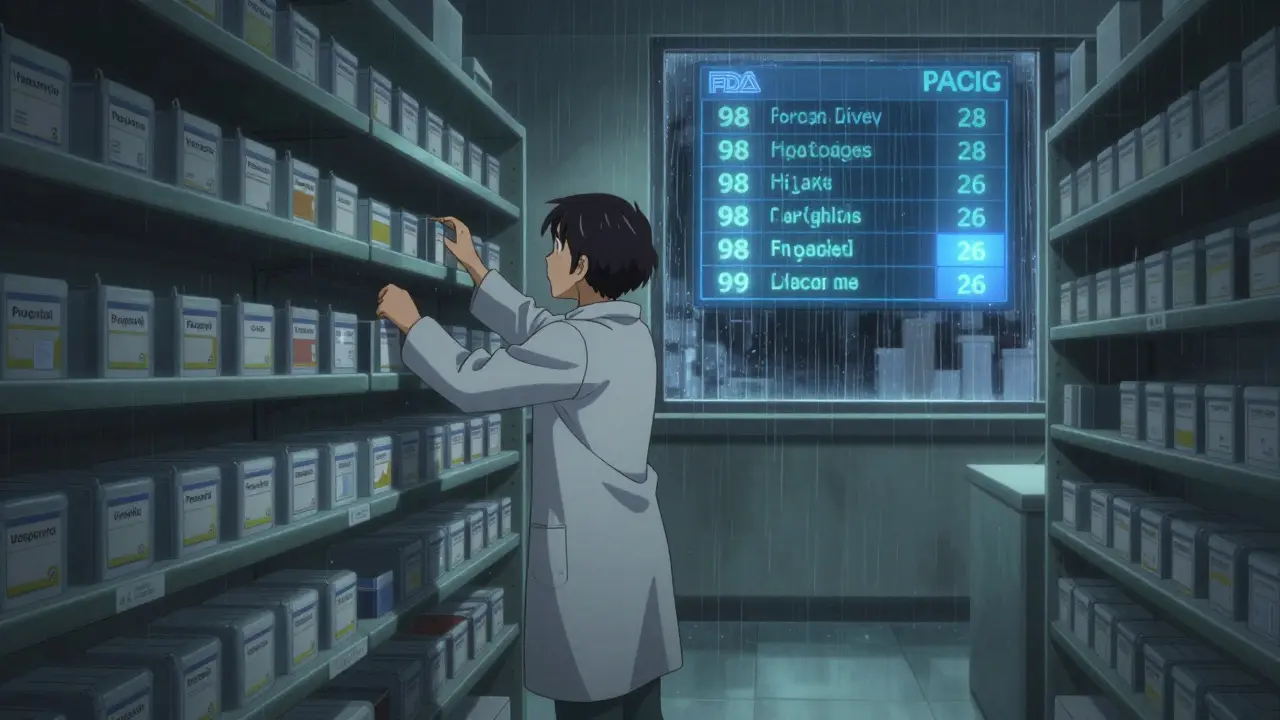
The U.S. is facing its worst drug shortage crisis in history. As of November 2025, there are 98 active drug shortages on the FDA’s official list-down from a peak of 323 in early 2024-but that number hides a deeper problem. For every drug listed, dozens more are quietly running low, forcing hospitals to scramble for substitutes, delaying cancer treatments, and putting patients at risk. The federal government has responded with new policies, stockpiles, and funding-but are they fixing the system, or just patching holes in a sinking ship?
What’s Really Causing These Shortages?
It’s not just bad luck. Drug shortages don’t happen by accident. They’re built into the system. Most of the critical medicines Americans rely on-like antibiotics, anesthetics, and chemotherapy drugs-are made overseas, mostly in China and India. About 80% of the active pharmaceutical ingredients (APIs) used in U.S. drugs come from these countries. That means if a factory in Shanghai shuts down for a week, or a shipment gets stuck at a port, hospitals in Ohio or Texas feel the impact within days. Even worse, production is dangerously concentrated. Just five facilities in the U.S. make 78% of all sterile injectables. One machine breaks. One batch gets contaminated. And suddenly, the entire country is out of saline, epinephrine, or insulin. The market doesn’t reward redundancy. Making these drugs is cheap, but the profit margins are razor-thin. Companies don’t invest in backup lines or extra inventory because it doesn’t pay off. The FDA approves 56 new manufacturing sites a year, but 42% of them are overseas. The U.S. is still losing ground.The Strategic API Reserve: Stockpiling Raw Materials
In August 2025, President Trump signed Executive Order 14178, expanding the Strategic Active Pharmaceutical Ingredients Reserve (SAPIR). This isn’t about storing finished pills or vials. It’s about stockpiling the raw chemicals-APIs-that go into making them. Why? Because APIs cost 40-60% less than finished drugs, last 3-5 years longer, and take up far less space. The plan targets 26 essential medicines: antibiotics like vancomycin, anesthetics like propofol, and oncology drugs like cisplatin. The idea sounds smart. If you have the raw ingredients, you can make the drugs fast when needed. The government claims SAPIR has already prevented 12 potential shortages of critical antibiotics since August. But there’s no public proof. Independent audits haven’t verified those claims. And here’s the catch: only 26 drugs. The FDA’s own data shows that 98% of all shortage incidents involve drugs not on this list. Cancer drugs alone make up 31% of shortages-but only 4% of the reserve. That’s like building a firebreak around your garage while your whole house is burning.Why Reporting Still Isn’t Working
Federal law says drug manufacturers must report potential shortages six months in advance. Simple, right? Not really. Compliance is only 58%. Small companies-those with fewer than 50 employees-are nearly noncompliant, with 82% failing to report. Why? Because there’s no real penalty. Between 2020 and 2024, the FDA issued just 17 warning letters for missed reports. In the EU, under similar rules, they issued 142. That’s not oversight. That’s neglect. The FDA’s Drug Shortage Database is public. It tracks over 1,200 past and current shortages. But healthcare workers say it’s outdated. A new portal launched in April 2025 has received 3,247 reports from providers. Over 60% of those were for drugs already listed. That means hospitals are seeing shortages before the system even knows they exist. The system isn’t catching problems-it’s just documenting them after the fact.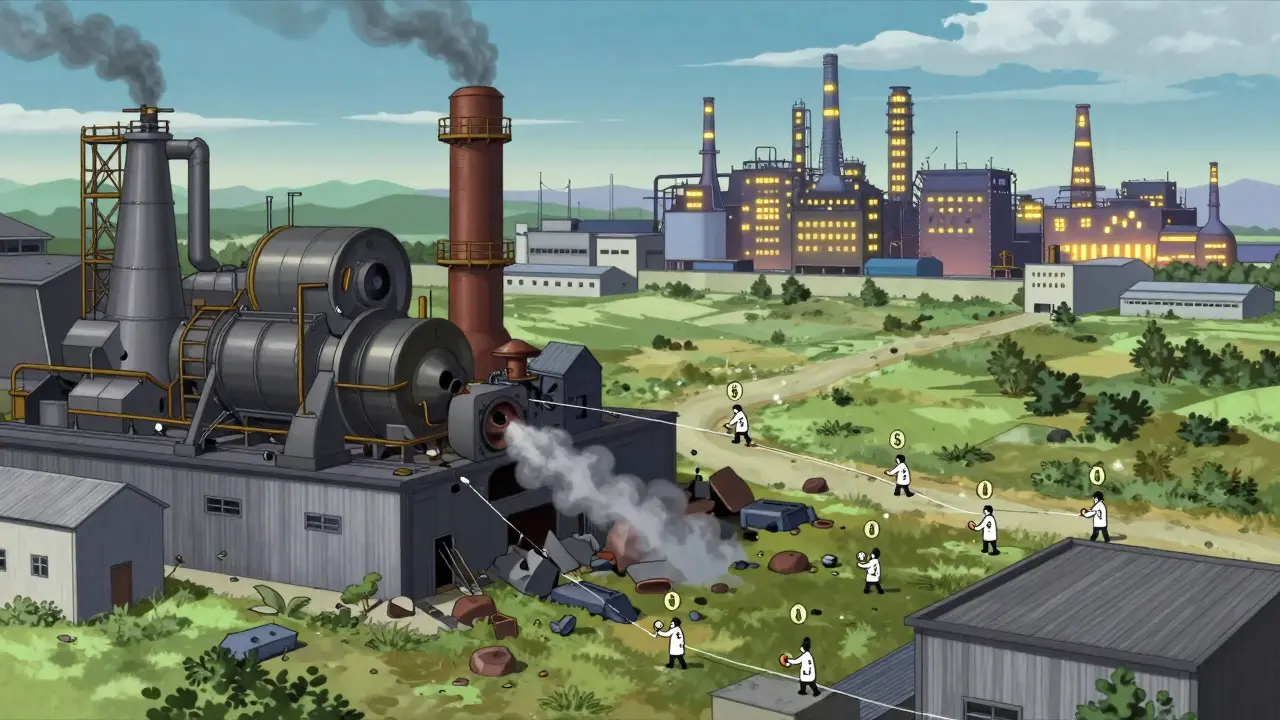
AI, Predictions, and the New Monitoring System
In November 2025, the FDA rolled out its Enhanced Shortage Monitoring System. It uses AI to predict shortages 90 days ahead by analyzing 17 data streams: shipping logs, factory output, hospital purchase orders, even weather patterns that might delay shipments. Early results show 82% accuracy. That’s promising. But accuracy doesn’t matter if no one acts on it. The system can tell you a drug will run out in February. But if the manufacturer won’t ramp up production because it’s not profitable, or if the FDA’s approval process takes 28 months for a new U.S. facility (compared to 18-24 months in the EU), then the prediction is just a warning label on a ticking bomb. The real win here isn’t the AI-it’s the fact that the FDA is finally using real-time data instead of waiting for manufacturers to file paperwork. But without enforcement, without financial incentives, and without consequences for delays, this tool could end up as another dashboard no one checks.What Congress Is Trying to Fix
Two bills are moving through Congress. H.R.5316, the Drug Shortage Act, would let pharmacists use compounded versions of shortage drugs without extra red tape. That’s a practical fix. Right now, if a hospital runs out of a chemotherapy drug, they can’t legally mix their own version-even if they have the right ingredients and trained staff. The bill would change that, potentially helping 30% of hospitals that report using compounding as a stopgap. The bipartisan Drug Shortage Prevention and Mitigation Act proposes paying hospitals through Medicare for keeping backup supply chains. If a hospital buys extra inventory or signs contracts with alternate suppliers, they get a small bonus payment. That could work. But hospitals are already drowning in costs. The average hospital spends $1.2 million a year just managing shortages. Adding another layer of paperwork and bureaucracy might not help. Meanwhile, the Department of Commerce announced $285 million in CHIPS Act funding for domestic drug manufacturing. Sounds good. But experts say it takes $6 billion to make a real difference. This covers less than 5% of what’s needed.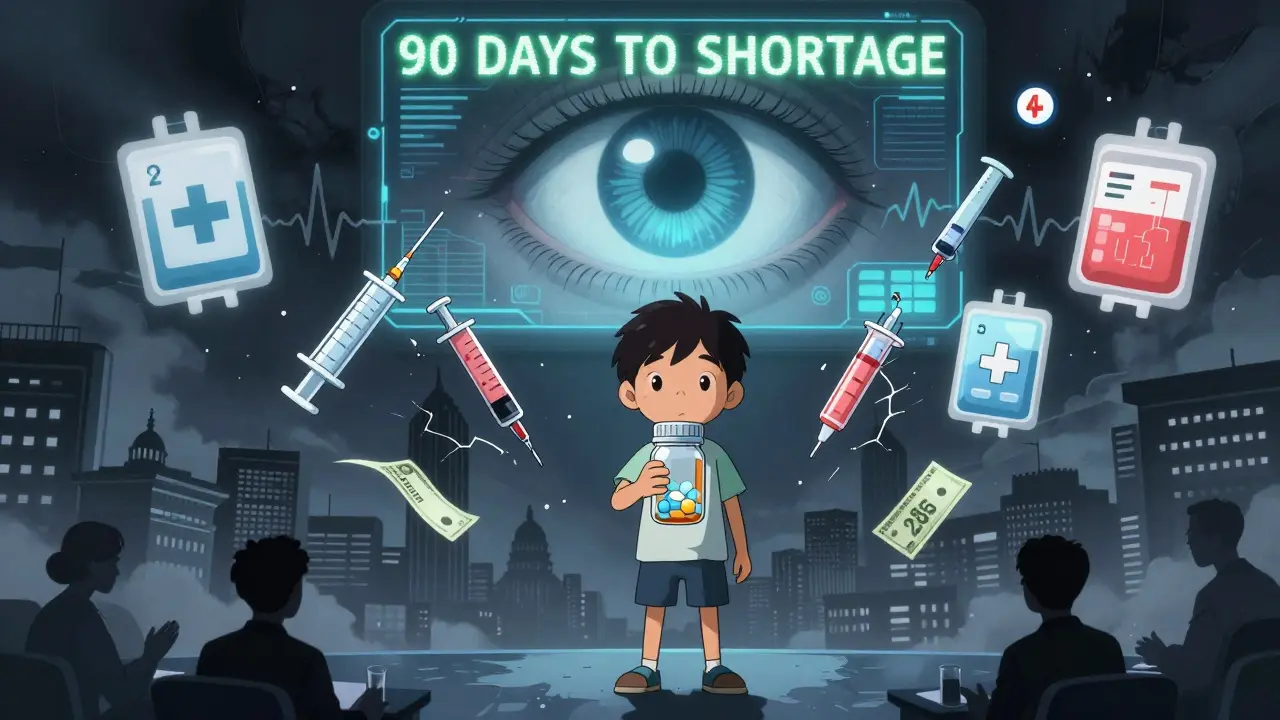
The Real Problem: Money, Not Molecules
Here’s what no one wants to say out loud: the government can stockpile APIs, track shipments, and build AI tools-but unless it changes how much companies make on these drugs, the shortages won’t stop. Sterile injectables, which make up 73% of all shortages, are cheap to produce but barely profitable. A single vial of doxycycline might cost 25 cents to make. Hospitals pay $1.50. The manufacturer’s profit? Two cents. No company will invest in redundant factories for a product that barely breaks even. The EU solved this by setting minimum price floors and requiring member states to stockpile essential drugs. The U.S. still lets the market decide-and the market is failing patients. A Johns Hopkins study found that hospitals using the FDA’s Early Notification Pilot Program had 28% shorter shortages. Why? Because they reported problems early-and the FDA actually responded. That program was voluntary. The current administration has weakened reporting rules. The most effective solution we have is being dismantled.What This Means for Patients
This isn’t theoretical. Patients are skipping doses. One in four Americans have skipped a medication because it wasn’t available. Cancer patients are hit hardest: 68% report treatment delays or substitutions. Pharmacists are spending 10+ hours a week just tracking down drugs. One pharmacist on Reddit said they used five different brands of the same drug in a single week. That’s not efficiency. That’s chaos. Medication errors are rising. When you swap one drug for another, side effects change. Doses get mixed up. Nurses aren’t trained on every substitute. A 2025 survey found 41% of pharmacists reported near-miss errors because of shortage-related substitutions. People are getting sicker-not because of their disease, but because the system broke.What’s Next?
The government’s current plan is a patchwork: stockpile some chemicals, predict some shortages, pay hospitals a little extra, and hope manufacturers suddenly decide to build more factories in the U.S. It’s reactive. It’s incomplete. And it’s missing the core issue: the economic model is broken. Real progress will require three things: mandatory minimum pricing for essential drugs, faster FDA approvals for U.S.-based manufacturers, and real penalties for failing to report shortages. Until then, the next crisis is already brewing. And the next drug that disappears won’t just be on a list. It’ll be the one your life depends on.Why are drug shortages getting worse despite federal efforts?
Federal efforts focus on stockpiling raw materials and predicting shortages, but they ignore the root cause: low profit margins make it unprofitable for manufacturers to produce essential, low-cost drugs. Companies won’t invest in backup supply chains or new U.S. factories if they can’t make money on the product. Without fixing the economics, even the best monitoring systems will just warn you before the next failure.
What is the Strategic Active Pharmaceutical Ingredients Reserve (SAPIR)?
SAPIR is a federal stockpile of active pharmaceutical ingredients (APIs)-the raw chemicals used to make drugs-not finished medications. Launched in 2020 and expanded in August 2025, it targets 26 essential drugs like antibiotics and chemotherapy agents. The goal is to have enough raw material to quickly produce drugs during shortages. APIs are cheaper and last longer than finished drugs, making them more efficient to store. But critics say the list is too narrow, covering only 2% of drugs that commonly短缺.
How effective is the FDA’s drug shortage reporting system?
Not very. Manufacturers are legally required to report potential shortages six months in advance, but only 58% comply. Small manufacturers, which make up most of the supply chain, fail to report at an 82% rate. The FDA has issued only 17 warning letters for non-reporting since 2020, compared to 142 in the EU. Without enforcement, the system is just a suggestion. The new AI-powered monitoring tool helps, but it’s catching problems after they start, not preventing them.
Are U.S. drug manufacturing facilities increasing?
The FDA approved 56 new manufacturing sites in 2024, but 42% of them are outside the U.S.-mostly in Ireland and Singapore. Domestic production is lagging because FDA approval takes 28-36 months, compared to 18-24 months in the EU. Plus, there’s no financial incentive to build factories for low-margin drugs. The $285 million in CHIPS Act funding announced in 2025 covers less than 5% of the $6 billion needed to make a meaningful difference.
What impact do drug shortages have on patients?
Patients are skipping doses, delaying treatments, and facing increased risks. One in four Americans has skipped a medication due to unavailability. Among cancer patients, 68% report treatment changes because of shortages. Hospitals report higher rates of medication errors when substituting drugs. Pharmacists spend 10+ hours a week tracking down alternatives. The human cost is real-and growing.
So we’re spending billions on AI to predict when our medicine will run out… but won’t pay manufacturers enough to make it in the first place? Brilliant. Just brilliant. We’ve turned healthcare into a game of Jenga where the only rule is ‘don’t touch the bottom block’ - and now the whole tower’s wobbling. At least the AI gets a budget. The nurses? They get a spreadsheet and a prayer.
The entire premise is flawed. The government doesn’t need more stockpiles or AI dashboards - it needs to stop treating pharmaceuticals like commodities. These aren’t widgets. They’re lifelines. If you want to fix shortages, you don’t incentivize profit - you mandate production. The EU does it. Canada does it. The U.S. prefers to outsource responsibility and call it innovation.
China makes the drugs so China gets the power. That’s the real crisis. We let our supply chain get hijacked by foreign regimes. The Strategic API Reserve is a start but it’s still playing defense. We need to rebuild domestic manufacturing with national security funding - not corporate handouts. No more loopholes. No more imports. Make it here or don’t make it at all.
Let’s be real - the FDA’s ‘enhanced’ monitoring system is just a fancy way of saying ‘we’re late to every party.’ They’re using AI to tell us what we already know: the system’s broken. And yet, no one gets fired. No one gets fined. The same people who ignored reports for years are now ‘leading’ the solution. It’s like putting a kid in charge of the fire alarm after he set the whole building on fire.
The structural deficiencies in the pharmaceutical supply chain are not merely logistical but epistemological: the market-driven paradigm has rendered essential therapeutics fungible, thereby subordinating public health imperatives to shareholder value maximization. The absence of price floors, coupled with regulatory capture and the de facto privatization of critical infrastructure, constitutes a systemic failure of governance. The SAPIR initiative, while tactically expedient, is ontologically inadequate in addressing the underlying axiological misalignment between commodification and human survival.
you think this is new? the same thing happened with masks in 2020. everyone panicked, then forgot. now its drugs. next its insulin. then its blood bags. the system is designed to fail slowly so no one notices until its too late. and the people who could fix it? theyre on vacation in hawaii getting paid to do nothing.
Okay but have you heard about the secret deal between the FDA and Big Pharma? They’re not just letting shortages happen - they’re *engineered*. Why? To push people toward expensive new drugs. The old ones? Too cheap. Too common. Too many people use them. So they make them scarce. Then they roll out the ‘new miracle drug’ - same active ingredient, 10x the price. It’s not a crisis. It’s a business model. I’ve got sources. Ask me how I know.
I just spent 3 hours today trying to find a single vial of midazolam. THREE HOURS. My hospital doesn’t even have a backup. We’re using cough syrup as a sedative. I’m not joking. I’m crying. I’m so tired. Someone please fix this. I just want to be able to do my job without feeling like a criminal for giving someone half a dose.
There’s hope. I’ve seen small clinics start community drug swaps - like a library for meds. One guy in Maine started a nonprofit that connects rural hospitals to surplus stock from big city ones. It’s not perfect, but it’s human. We don’t need a federal AI god. We need neighbors helping neighbors. And maybe… just maybe… if we stop treating patients like numbers, the system will start healing too. 🤝
It’s interesting how everyone focuses on the government’s response, but no one talks about the fact that most of these drugs have been unprofitable for decades. The market didn’t fail because of politics - it failed because it was never meant to serve this purpose. Maybe the solution isn’t more regulation or AI, but rethinking what we expect from pharmaceuticals entirely. Are they public goods? Or just products? That’s the real question.
Let’s not forget the people who’ve been screaming about this for years - pharmacists, nurses, small manufacturers. They weren’t ignored because they weren’t loud enough. They were ignored because their voices didn’t come with a lobbying budget. The fix isn’t in Washington. It’s in the hospital basement where someone’s mixing saline from scratch because the system failed them. We need to listen to them - not just when the headlines scream, but every day.