
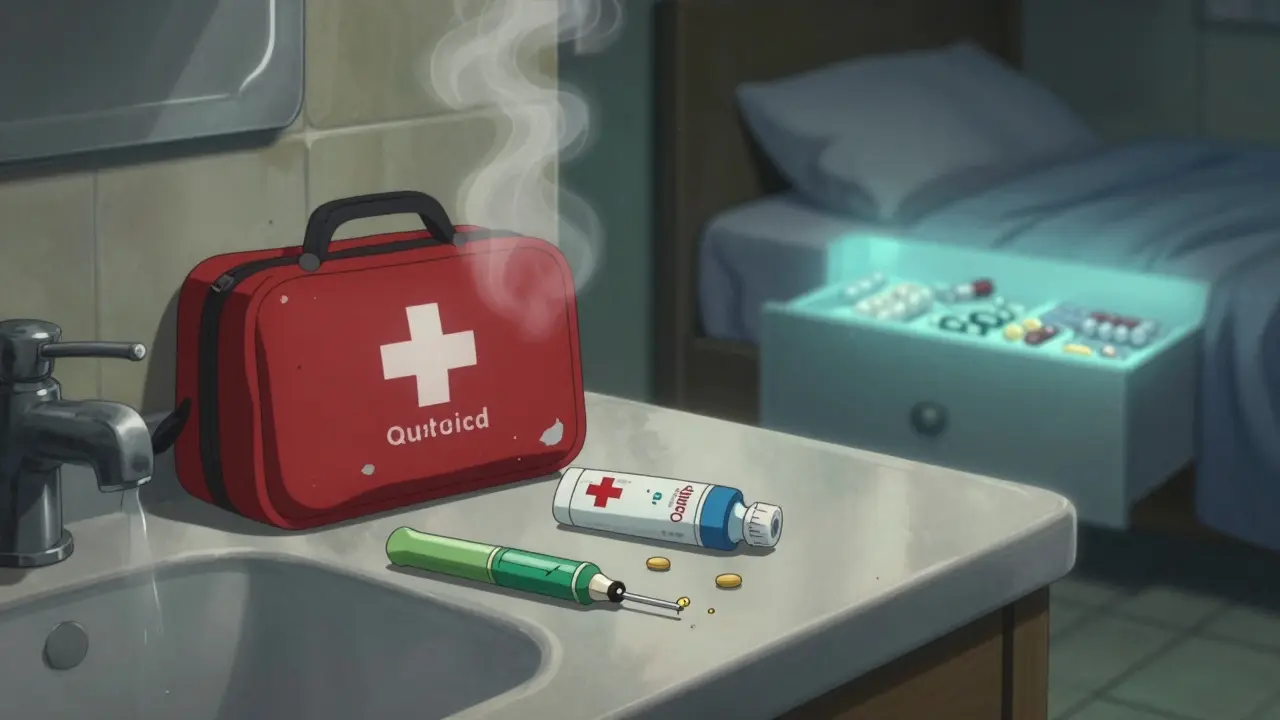
Most people keep a first-aid kit at home, but how many of them actually check what’s inside? A 2023 survey found that 68% of households have at least one expired medication in their first-aid kit. That’s not just clutter-it’s a hidden risk. You might think, "It’s just a pain reliever from last year. It can’t hurt to use it." But when it comes to emergency care, the difference between a working dose and a weakened one can mean the difference between recovery and crisis.
Not All Expired Medications Are the Same
Expiration dates aren’t arbitrary. They’re based on real-world testing by manufacturers and reviewed by the FDA. But here’s the key point: expiration dates mean different things depending on the type of medication. Solid pills like ibuprofen, acetaminophen, or aspirin are stable. A 2019 U.S. Department of Defense study found that 80% of these medications still had at least 90% of their original potency even 15 years after the expiration date-if stored properly. That means if your bottle of Advil is two years past its date and it’s been sitting in a cool, dry drawer, it’s probably still effective for a headache or fever. But not all medications behave like that. Liquid medications, creams, and emergency treatments degrade fast. Epinephrine auto-injectors (EpiPens) lose up to 30% of their potency within six months after expiration. Nitroglycerine tablets, used for heart attacks, start breaking down as soon as the bottle is opened. Eye drops? They can grow bacteria after expiration. A 2023 FDA lab test found that 47% of expired hydrocortisone cream samples were contaminated with bacteria.Which Medications Must Be Replaced Immediately
There are five categories of OTC first-aid medications you should never use past their expiration date:- Epinephrine auto-injectors (EpiPen, Auvi-Q): These save lives during anaphylaxis. If they’re expired, they may not deliver enough medicine to stop swelling or breathing problems.
- Nitroglycerine tablets: Used for chest pain. They lose effectiveness rapidly after opening-even before expiration. Replace every 3-6 months.
- Liquid antibiotics: Like amoxicillin suspension. Bacteria can grow in them after expiration. Using them could make an infection worse.
- Eye and ear drops: Sterility is critical. Expired drops can cause infections or even permanent damage.
- Insulin: Even though it’s prescription, it’s often kept in home first-aid kits. Expired insulin doesn’t work, and using it can lead to dangerous blood sugar spikes.
What About Pain Relievers and Antihistamines?
For solid medications like ibuprofen, acetaminophen, or diphenhydramine (Benadryl), the risk is lower-but not zero. A 2020 University of Florida study showed diphenhydramine still had 85% of its potency 18 months after expiration. Ibuprofen and acetaminophen often last 2-3 years past their date if kept dry and cool. That doesn’t mean you should use them for serious pain or allergies. But for a minor headache or seasonal allergy, it’s unlikely to cause harm. Still, there’s a catch: if the pill looks different. If it’s cracked, discolored, smells odd, or feels crumbly, toss it. That’s not about expiration-it’s about degradation. Chemical changes can happen even before the date passes.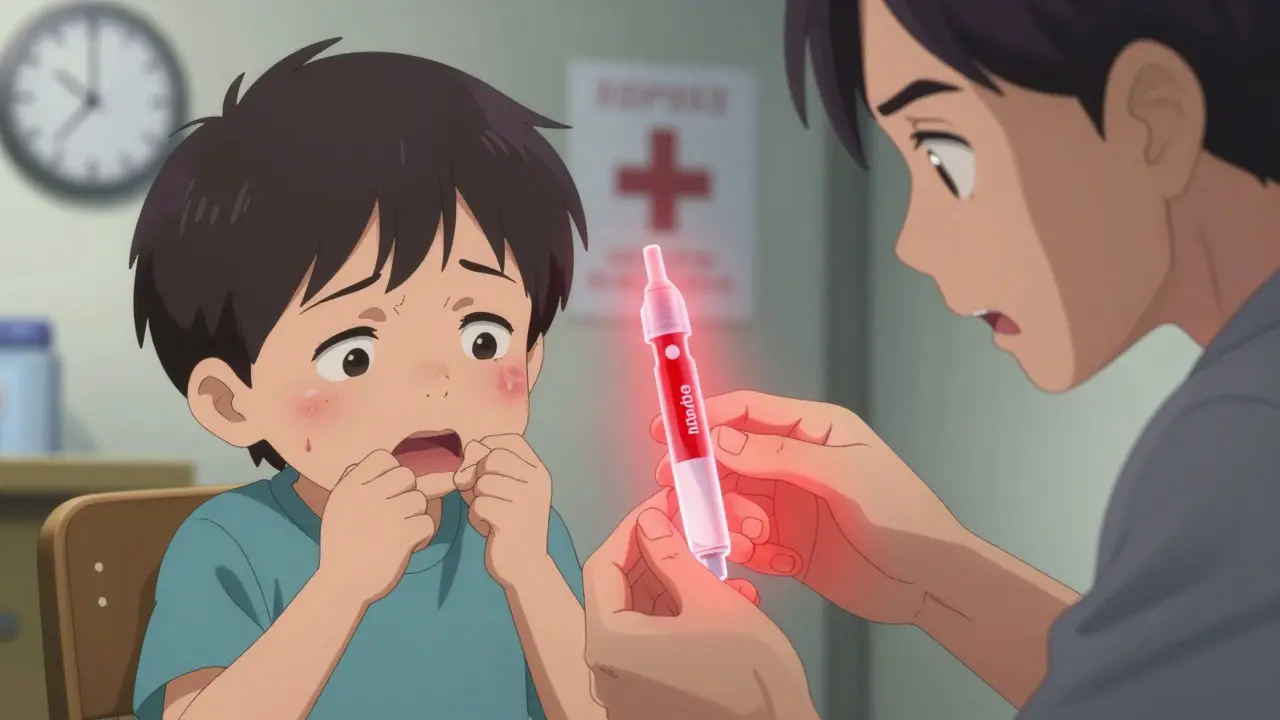
Storage Matters More Than You Think
Where you store your first-aid kit is just as important as when you replace items. A 2022 Johns Hopkins study compared storage in bathrooms versus bedrooms. Bathrooms-full of steam and heat-caused medications to lose potency 40% faster than those kept in dry, cool places. The ideal spot? A bedroom drawer or closet, away from sunlight and moisture. Also, don’t transfer pills to pill organizers unless you’re using them right away. The FDA found that moving medications out of their original containers cuts their effective shelf life by 35-50%. The original bottle has moisture-absorbing packets and sealed packaging designed to preserve stability. A plastic pill box? Not so much.How to Check and Maintain Your First-Aid Kit
The American Red Cross recommends a simple four-step system:- Quarterly visual check: Look for changes in color, texture, or smell. If a cream looks separated, or a liquid is cloudy, throw it out.
- Biannual date review: Every six months, pull everything out and check expiration dates. Use a marker to write the date you opened it on items like eye drops or antiseptic wipes.
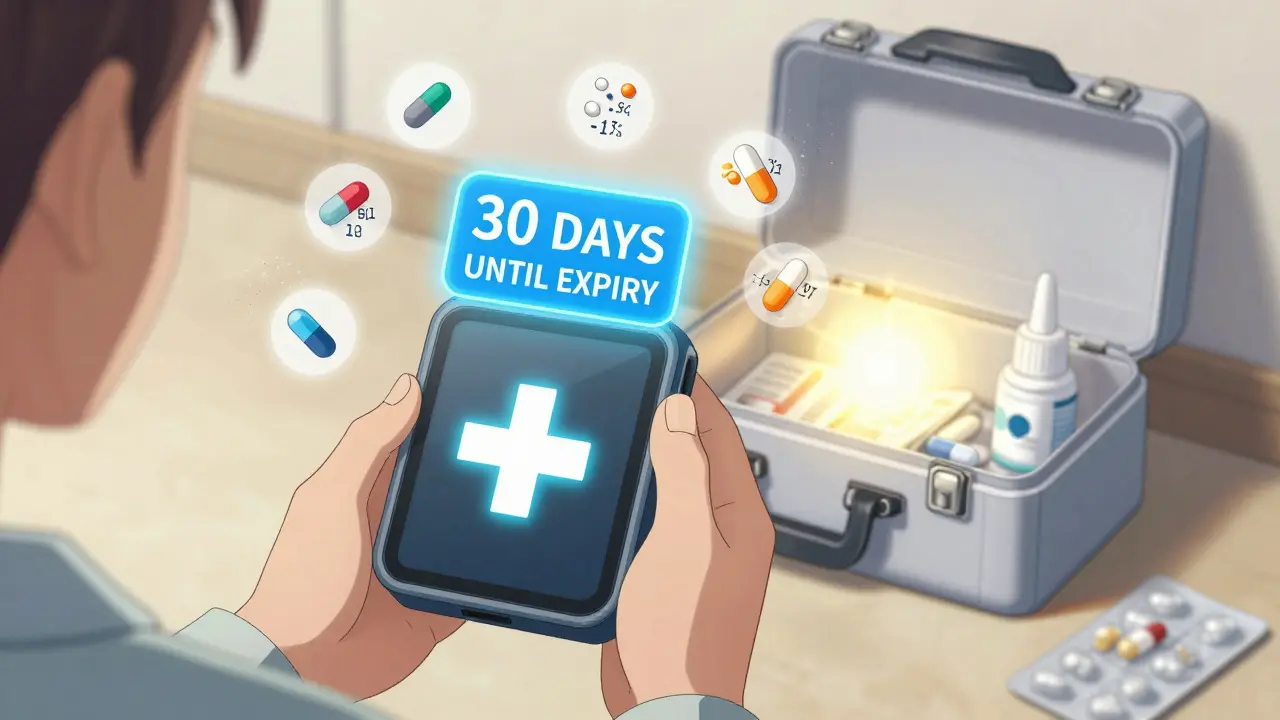
- Replace emergency meds 30 days early: Don’t wait until the day it expires. Order new EpiPens or nitroglycerine tablets ahead of time. Pharmacies often let you refill early.
- Annual full overhaul: Empty the whole kit. Clean it out. Replace bandages, gauze, and tape. Sterile items can become contaminated even if unopened after 24 months.
What If You Have No Choice? An Emergency Scenario
Sometimes, you’re stuck. You’re in a remote area. Your EpiPen expired last month. Your child is having a severe allergic reaction. What do you do? The FDA and Cleveland Clinic both say: use it anyway. A sub-potent EpiPen is better than nothing. The same goes for a rescue inhaler or nitroglycerine tablet. Administer it, then get to emergency care immediately. You might need a second dose. But don’t wait. This isn’t ideal. It’s a last resort. But in a life-or-death moment, using an expired emergency medication is safer than doing nothing.The Bigger Picture: Why This Matters
The OTC first-aid market is worth over $117 billion. But many manufacturers still use inconsistent labeling. A 2023 Consumer Reports survey found that 71% of people thought medications stay fully effective for two or more years past expiration. That’s dangerously wrong. Worse, 44% of respondents admitted to using expired meds during emergencies. And 89% of those who had bad outcomes were using liquids or emergency treatments-not pain relievers. There’s a growing push for change. New QR codes on packaging now scan to show real-time potency estimates. Temperature-sensitive labels change color if stored too hot. Some smart kits even send phone alerts 60 days before expiration. But until those become standard, the responsibility is yours. Your first-aid kit isn’t just a box of supplies. It’s insurance. And like insurance, it only works if it’s up to date.Can I still use expired ibuprofen or acetaminophen?
Yes, if they’re solid tablets and stored properly (cool, dry, in original container). Studies show they often retain 90%+ potency for years past expiration. But if they’re discolored, cracked, or smell strange, throw them out. Don’t use them for serious pain or if you’re unsure.
What’s the biggest danger of using expired medications?
The biggest danger isn’t toxicity-it’s ineffectiveness. Expired antibiotics might not kill all the bacteria, leading to worse infections and antibiotic resistance. Expired epinephrine might not stop an allergic reaction. Expired eye drops can cause blindness. Sub-potent meds don’t just fail-they can make things worse.
Should I throw away expired meds or take them to a drop-off site?
For most OTC medications, you can throw them in the trash. Mix them with coffee grounds or cat litter, seal them in a bag, and discard. But for epinephrine, nitroglycerine, or other emergency drugs, take them to a pharmacy take-back program if possible. The DEA’s National Prescription Drug Take Back Day collects expired meds safely. Some states now require pharmacies to offer free disposal.
How often should I check my first-aid kit?
Check for visible damage or changes every three months. Review expiration dates every six months. Replace emergency medications (epinephrine, nitroglycerine, eye drops) 30 days before they expire. Do a full kit overhaul once a year-replace bandages, gauze, and wipes too.
Do smart first-aid kits really help?
Yes, if you forget to check dates. Bluetooth-enabled kits send reminders before expiration. Some even scan barcodes and give storage tips. While not necessary, they reduce human error. For families with allergies, chronic conditions, or elderly members, they’re worth considering.
lol so you're telling me i should throw out my 5-year-old ibuprofen because some study says so? my grandma kept her meds in a mason jar under the sink for 20 years and she's still alive. maybe the real danger is overthinking everything. 🤷♀️
i mean... we're all just bags of chemicals anyway. if your body can't handle a slightly degraded aspirin, maybe you're the problem. 🤔💊
i love how this post balances science with practicality. 🌿 i keep my first-aid kit in a cool closet and check it every season. it’s not about fear-it’s about care. and hey, if you're unsure? replace it. peace of mind is worth a few bucks. 💛
epinephrine expires for a reason. if you're using expired emergency meds you're not being resourceful-you're being reckless. stop romanticizing risk.
ok but like... what if you live in a place where you can't just run to the pharmacy? my cousin in rural india had to use an expired epi pen last year. it worked. kinda. she's fine. now she has a new one. but man... life ain't perfect. 😅
Thank you for this comprehensive and well-researched piece. I appreciate the nuanced approach to a topic that is often oversimplified. The inclusion of data from peer-reviewed studies and actionable steps is exemplary. I will be sharing this with my community health group.
i think the real question is: why do we even have expiration dates if most pills last decades? it feels like a corporate loophole. like... we're being trained to buy more. 🤔
storage matters more than dates. i used to keep my meds in the bathroom. now they're in a drawer. no more weird smells. no more sticky pills. simple fix.
as someone who has worked in public health across rural communities, i can confirm that accessibility often overrides ideal storage conditions. while we advocate for proper disposal and replacement, we must also acknowledge that for many, an expired epinephrine auto-injector is the only one available. compassion must guide policy, not just data.
i just checked my kit and found 3 expired things. tossed em. easy. dont overthink it. 🙌