
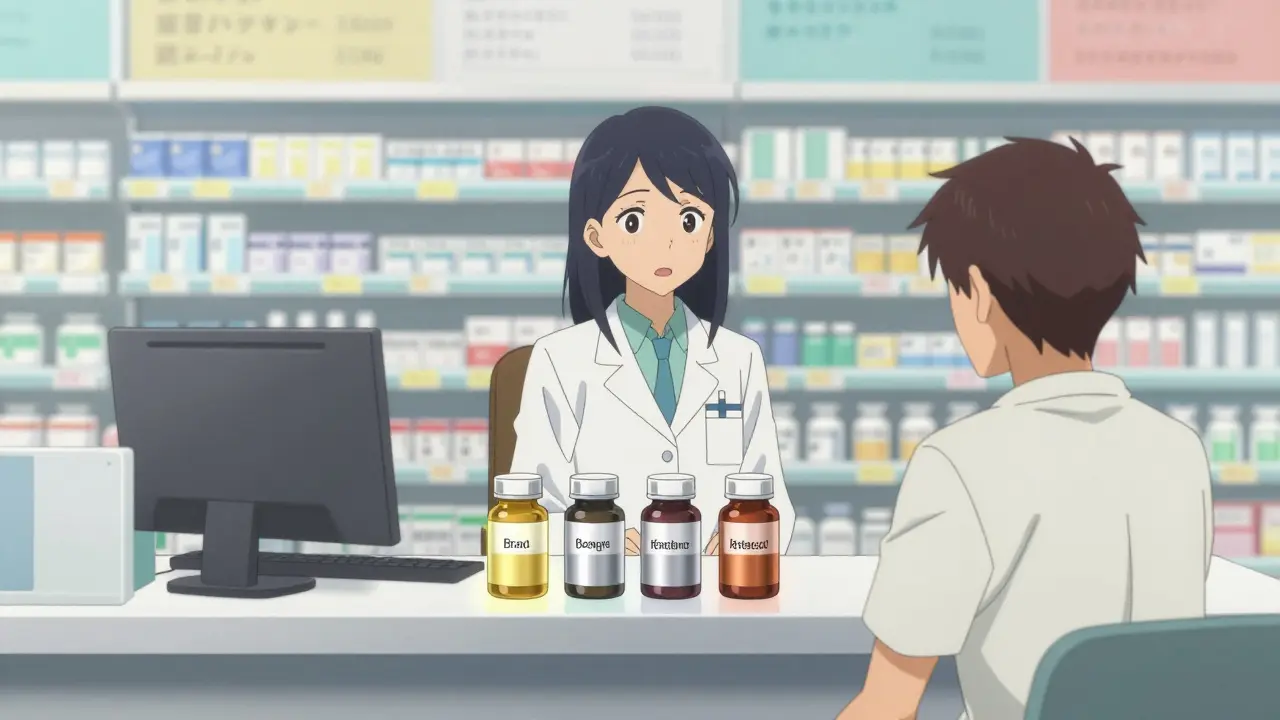
You probably know that switching to a generic drug can save you a ton of money, but there is a hidden layer to pharmacy pricing that most people miss. While you might ask your pharmacist for "the generic," there are actually two different types: traditional generics and authorized generics. One is made by a different company after a patent expires; the other is the exact same drug made by the original brand company but sold without the brand name. Depending on your insurance plan, choosing one over the other could be the difference between a $6 copay and a $50 bill.
The Difference Between Generic and Authorized Generic Drugs
To get the best price, you first need to understand what you are actually buying. A generic drug is a medication that has the same active ingredients, strength, and dosage form as a brand-name drug. These are approved by the FDA (Food and Drug Administration) through a process called an Abbreviated New Drug Application (ANDA). Essentially, the generic company proves the drug is bioequivalent-meaning it works in your body the same way as the brand-without having to repeat all the original clinical trials.
An authorized generic is slightly different. It is the exact same chemical formulation as the brand-name drug, produced in the same facilities, but it is marketed under a generic label. The brand-name company "authorizes" its own drug to be sold as a generic, often to compete with other generic manufacturers or to capture a different part of the market. Because they are chemically identical, there is no difference in quality or efficacy between the two.
| Feature | Brand-Name | Traditional Generic | Authorized Generic |
|---|---|---|---|
| Active Ingredient | Original | Same as Brand | Identical to Brand |
| Manufacturer | Original Company | Different Company | Original Company |
| FDA Approval Path | New Drug Application | ANDA (Bioequivalence) | Existing Brand Approval |
| Typical Price | Highest | Lowest (usually) | Low to Mid |
Why Your Insurance Plan Changes the Price
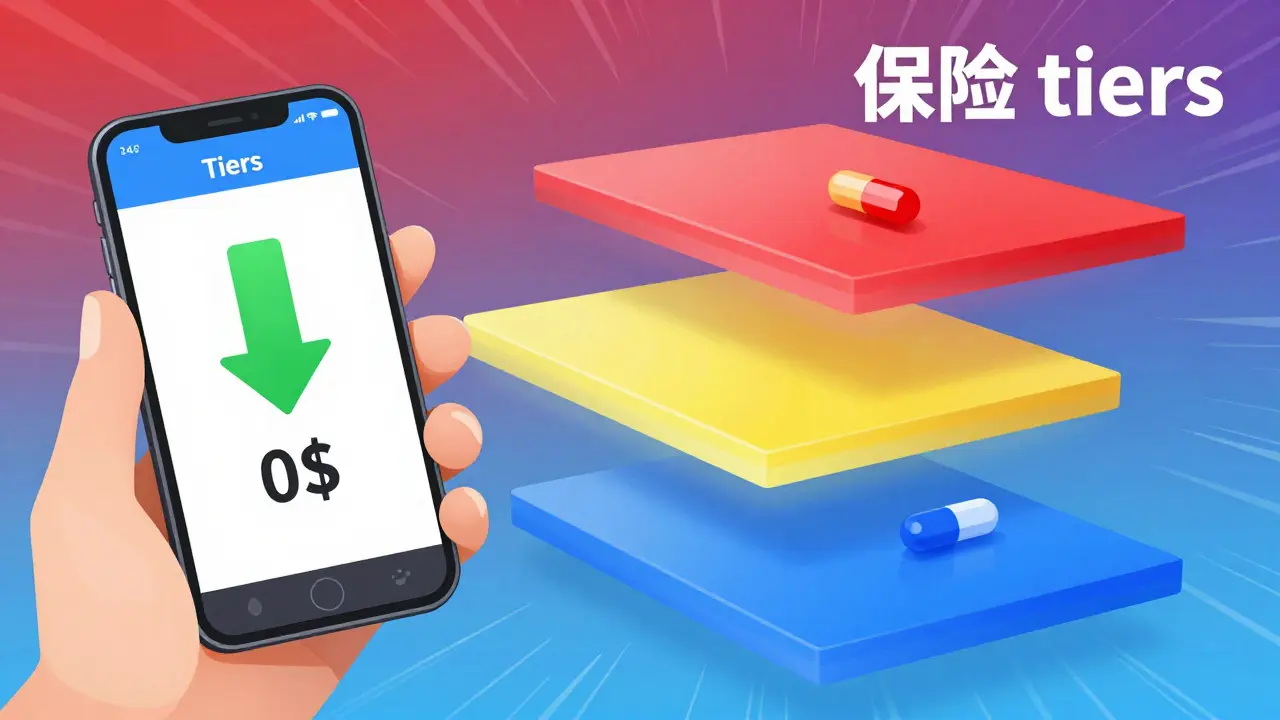
You might think that "generic is generic," but your wallet might disagree. The real trick is how Pharmacy Benefit Managers (PBMs) and insurance formularies categorize these drugs. Most insurance plans have "tiers." Tier 1 is usually the cheapest (traditional generics), while Tier 2 or 3 might be more expensive.
Sometimes, an authorized generic is placed in a higher cost tier than a traditional generic. This means even though the drug is the same, you pay more out-of-pocket. For example, a patient might find their insulin costs $90 as an authorized generic but $45 as a traditional generic, purely because of how their plan handles the rebate structures. This is why simply asking for "the generic" isn't always enough-you need to know which type of generic your plan prefers.
Specific Questions to Ask Your Pharmacist
Pharmacists are great, but they are often busy and might not automatically check if an authorized generic is cheaper than a traditional one. To get the best deal, you have to be proactive. Use these specific questions during your next visit:
- "Is there a generic version of this medication available?" (The basic starting point to ensure you aren't paying for a brand name).
- "Is this a traditional generic or an authorized generic?" (This helps you identify exactly what is being dispensed).
- "Does my insurance plan treat authorized generics and traditional generics differently in terms of copays?" (This forces the pharmacist to look at the formulary tiers).
- "If I switch between these two generic types, would it lower my out-of-pocket cost?" (Directly asks for a price comparison).
If the pharmacist isn't sure, don't be afraid to ask them to check with the insurance provider or a formulary specialist. A study in the Journal of the American Pharmacists Association found that patients who specifically asked about authorized generics saved an additional 15-25% compared to those who just asked for generics in general.
Real-World Savings and the Impact of Competition
The financial impact of these drugs is massive. According to the Association for Accessible Medicines (AAM), the U.S. healthcare system saved $408 billion in 2022 alone thanks to generic and biosimilar medicines. When a drug loses its patent protection and generics enter the market, prices usually plummet by more than 75% within a year. In some extreme cases, like with certain HIV medications (emtricitabine and tenofovir), prices have dropped from $50 per tablet to as low as $3.
However, the savings don't always reach the patient automatically. High-deductible plans and complex rebate systems can mask these drops. This is why using tools like GoodRx to compare the "cash price" versus your "insurance copay" is a smart move. Sometimes, the cash price for a traditional generic is actually cheaper than the copay for an authorized generic.
Avoiding Common Pitfalls and Delays
One thing to watch out for is a tactic called "patent thickets," where brand companies file numerous patents to delay the entry of traditional generics. In these cases, the brand company might release an authorized generic as a way to keep a grip on the market while appearing to lower costs. While this is becoming less common, it can still lead to fewer options at your pharmacy.
Another common hurdle is the "180-day exclusivity period." When the first generic company enters the market, they often get six months of exclusive rights to sell the generic version before other companies can join in. If you find that only one generic is available and it's still relatively expensive, you might just be in that window. Waiting a few months or asking about an authorized version might bring the price down further.
Next Steps for Maximum Savings
If you are currently taking a brand-name medication or a generic that feels too expensive, try this workflow:
- Check your formulary: Log into your insurance portal and see which tier your medication falls under. Look for terms like "Preferred Generic" or "Non-Preferred Generic."
- Compare types: At the pharmacy, ask if both a traditional and an authorized generic are available.
- Test the cash price: Use a price comparison app to see if the cash price for the traditional generic is lower than your insurance copay.
- Consult your doctor: If the pharmacy tells you that a different generic type is significantly cheaper but requires a new prescription, send a quick note to your doctor asking them to specify the cheaper version.
Are authorized generics as safe as brand-name drugs?
Yes. Authorized generics are chemically identical to the brand-name drug because they are often made by the same manufacturer in the same facility. They meet the exact same safety and efficacy standards as the original product.
Will my doctor know the difference between these generic types?
Not always. Doctors focus on the active ingredient and dosage. They may not be aware of the pricing differences between a traditional generic and an authorized generic, which is why it is helpful for the patient to bring this up at the pharmacy first.
Why would a brand company sell a generic version of their own drug?
It is usually a business strategy. By launching an authorized generic, the original company can capture some of the generic market share and compete with other generic manufacturers who enter the market after the patent expires.
What are biosimilars, and are they the same as generics?
Biosimilars are similar to generics but are used for biologic drugs (complex medicines made from living organisms). Because biologics are too complex to copy exactly, biosimilars are "highly similar" rather than identical, but they provide the same clinical result and often cost significantly less.
Can I ask my pharmacist to switch me from an authorized generic to a traditional one?
Yes, but it depends on your prescription. If the prescription is written for "generic," the pharmacist can usually choose which one to dispense based on what your insurance covers. If the doctor specified a certain brand or manufacturer, you may need a new script.