
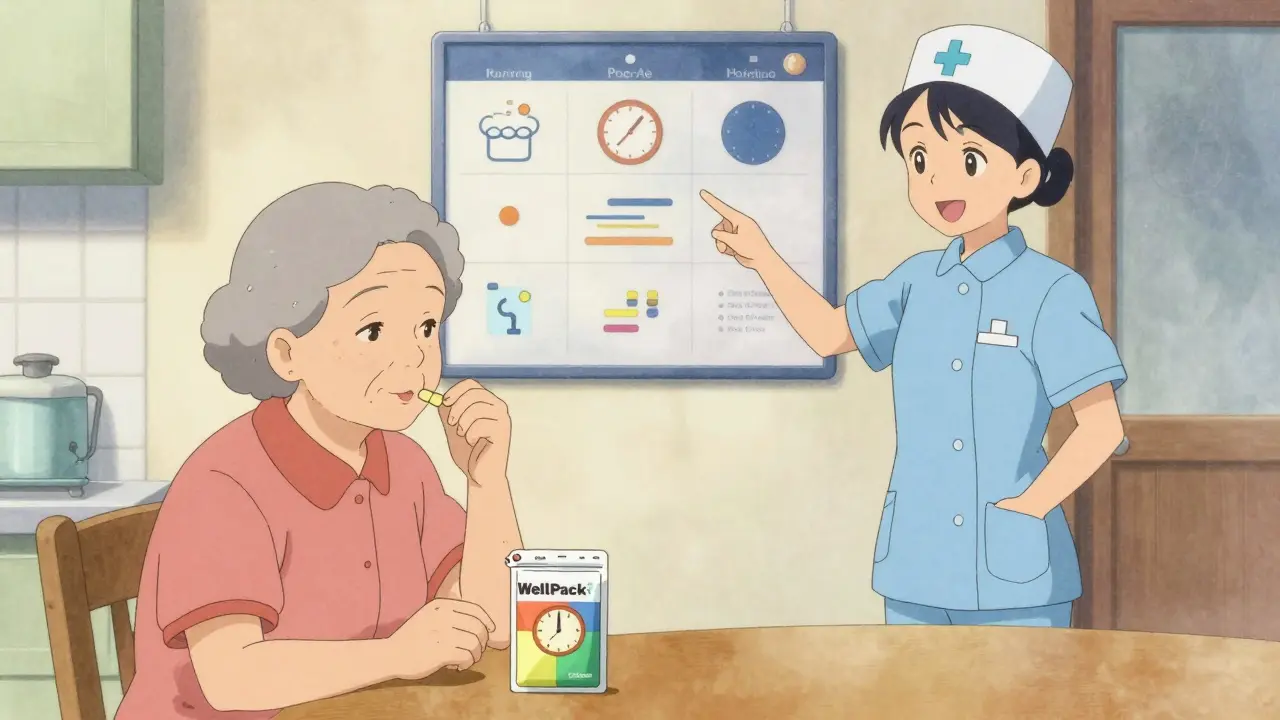
Managing medications at home can be overwhelming, especially for older adults taking five or more drugs a day. Missed doses, double dosing, or dangerous interactions aren’t just mistakes-they can land someone in the hospital. That’s where home health services come in. These aren’t just visits from a nurse. They’re structured systems designed to keep medications safe, accurate, and on schedule right in the patient’s own home.
What Home Health Services Do for Medication Management
Home health providers don’t just hand out pills. They take full responsibility for making sure every medication is taken correctly. This includes keeping an updated list of every drug-brand names, generic names, dosages, why it’s prescribed, and any known side effects. A single mistake here can cause serious harm. For example, mixing blood thinners with certain painkillers can lead to internal bleeding. Professional teams catch these risks before they become emergencies.
According to MedPro’s 2022 analysis, medication errors cause about 30% of all adverse events in home care. But when trained staff handle medication management, those errors drop by 60%. That’s not a small difference. It’s the difference between staying safe at home and ending up in the ER.
How It Works: Step by Step
Getting started is simple, but the process is thorough. Here’s what happens:
- Medication review: A nurse or pharmacist sits down with the patient and their caregiver. They go through every prescription, over-the-counter pill, vitamin, and supplement. They check for duplicates-like taking both Advil and ibuprofen-or drugs that shouldn’t be mixed.
- Personalized plan: Based on the patient’s daily routine, they build a schedule. If someone eats breakfast at 8 a.m. and goes to bed at 9 p.m., doses are timed around those habits. Meal times and bedtimes become natural reminders.
- Tools provided: Many agencies supply pill organizers. Some use color-coded trays for morning, afternoon, and night. Others, like Phoenix Home Care’s WellPack system, package each day’s meds in sealed pouches labeled with the exact time. These reduce missed doses by up to 45%.
- Training and confirmation: Staff don’t assume the patient understands. They use the “teach-back” method: ask the patient to explain how and when to take each drug. If they get it right, they move forward. If not, they go again.
- Follow-up and documentation: Every change-new prescription, dose adjustment, or side effect-is documented within 24 hours. This is required by CMS guidelines. If a doctor changes a drug, the home health team updates the list immediately and notifies everyone involved.
Technology That Helps
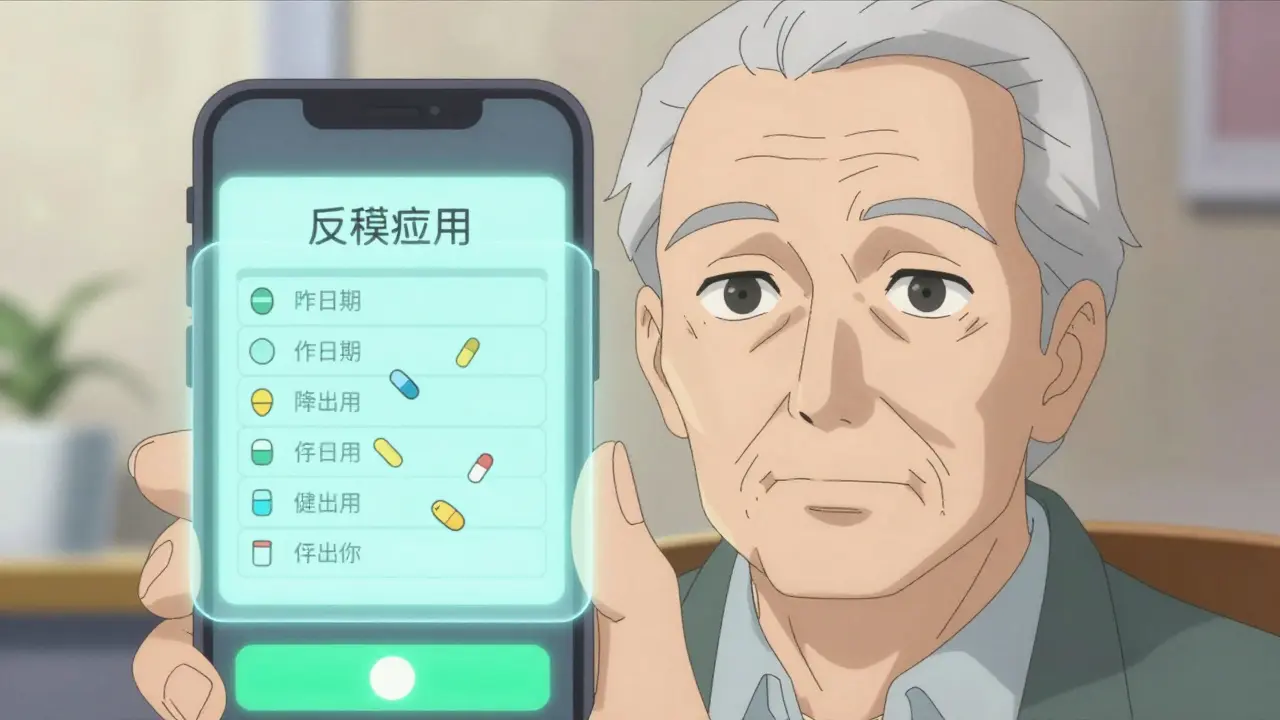
Smartphone apps with alarms are common, but the best services go further. In 2023, CritiCare launched a digital planner with biometric verification. Before a dose is taken, the patient scans their fingerprint or uses facial recognition. This prevents someone else from taking the pill by accident-or on purpose.
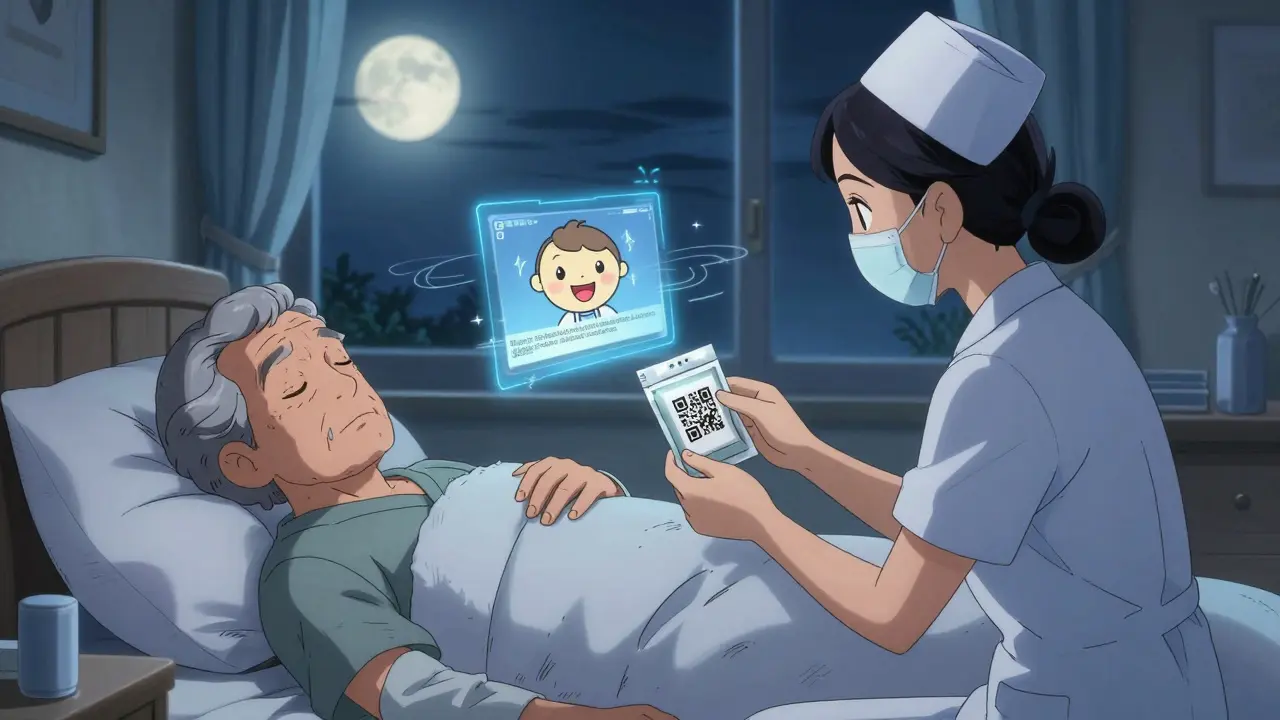
Phoenix Home Care added QR codes to their WellPack pouches. Scan one, and a short video plays in the patient’s preferred language-17 options available. This helps non-English speakers understand instructions clearly, reducing confusion.
These tools improve adherence by 35%, according to CritiCare’s 2023 data. But tech alone isn’t enough. Human oversight is still required to catch subtle issues, like a patient forgetting why they’re on a certain drug or hiding side effects out of fear.
Who Qualifies?
Medicare Part A covers home health medication management-but only under strict conditions. You must be homebound, need skilled nursing or therapy, and have a doctor certify the need. If you’re recovering from surgery, a stroke, or a serious infection, you likely qualify. But if you just need daily help with pills and aren’t medically homebound, Medicare won’t pay.
That’s where private agencies come in. Companies like Clarest charge $20-$40 per hour for medication services. For someone needing daily support, that adds up to $1,400-$2,800 a month. It’s expensive, but many families pay because it prevents costly hospital stays. Clarest’s 2023 study found these services save about $1,200 per patient each month in avoided ER visits and readmissions.
AARP reports that 62% of adults over 85 use home health for medication management, compared to just 28% of those aged 65-74. The older you are, the more likely you are to need help-and the more likely you are to benefit from it.
What You Should Watch Out For
Not all agencies are the same. A 2023 MedPro study found only 65% of home health providers consistently do full medication reconciliation during care transitions. That means one in three patients could be at risk when moving from hospital to home.
Another issue? Scheduling conflicts. About 31% of caregivers struggle when meds need to be taken at odd hours-like 3 a.m.-that clash with sleep or daily routines. Some families end up skipping doses because they’re too tired to wake up.
And communication gaps? They’re dangerous. One Reddit user shared how inconsistent handoffs between providers led to a dangerous interaction between blood thinners. His mother ended up in the ER. That kind of thing happens because no one updated the medication list.
What Works Best
Real-world results speak louder than theory. Mary K. from Ohio, whose mother was missing 30% of her doses, switched to Phoenix Home Care’s WellPack system. Within two weeks, missed doses dropped below 5%. A Clarest survey of 500 caregivers showed 78% saw improved adherence with professional help.
Visual aids matter too. Charts with large text, simple language, and color coding help patients with vision or memory issues. One caregiver said her dad, who had dementia, finally understood his meds after seeing a picture of a clock next to each dose time.
When It’s Not Enough
Home health services are powerful, but they’re not magic. They work best for stable regimens. If someone has complex psychiatric medications-like lithium or antipsychotics that need weekly blood tests-home health staff may not have the training to adjust doses safely. In those cases, coordination with a psychiatrist or pharmacist is essential.
Also, workforce shortages are real. The National Association for Home Care & Hospice reports a 28% vacancy rate for home health nurses in 2023. That means some agencies are stretched thin. Ask your provider: How many patients does each nurse manage? If the number is over 10, it might be too much.
What to Ask Before Choosing a Provider
Don’t just pick the first one you find. Ask these questions:
- Do you use a digital system to update medication lists in real time?
- How do you handle changes when a doctor prescribes a new drug?
- Do you provide visual aids in the patient’s preferred language?
- How do you verify that the patient actually took the medication?
- What’s your protocol if a dose is missed?
If they can’t answer clearly, keep looking. This isn’t just convenience-it’s safety.
Looking Ahead
The home health market is growing fast. By 2027, it’s expected to hit $150 billion. More agencies are adding AI tools to screen for dangerous drug interactions before they happen. Medicare Advantage plans are starting to cover continuous monitoring devices that alert staff if a pill isn’t taken.
But the biggest challenge remains: staffing. Without enough trained nurses and pharmacists, even the best systems can fail. The future of safe medication management at home depends on fixing that gap.
Can Medicare pay for home health medication management?
Yes, but only under specific conditions. Medicare Part A covers it if you’re homebound, need skilled nursing care, and have a doctor’s order. It doesn’t cover daily help if you’re not medically homebound. For ongoing daily support, private agencies charge $20-$40 per hour.
What’s the best way to track medications at home?
Use a combination of tools: a daily pill organizer with separate compartments, a written list updated weekly, and a smartphone alarm for tricky times. Many home health agencies provide custom packaging like WellPack pouches, which are labeled with time and drug name. These reduce errors by nearly half.
How do I know if a home health provider is trustworthy?
Check if they’re Medicare-certified-this means they meet federal standards. Ask how often they update medication lists, how they handle emergencies, and if they use digital tools to track doses. Call past clients if possible. Look for providers who use teach-back methods and provide visual aids in the patient’s language.
What if my loved one refuses to take their meds?
Don’t force it. Talk to the home health team. Sometimes refusal comes from side effects, confusion, or fear. A skilled nurse can help identify the reason and adjust the plan-maybe switching to a different form of the drug, changing the time it’s taken, or explaining why it’s necessary. They can also involve the prescribing doctor if needed.
Are pill organizers enough on their own?
No. Pill organizers help with timing, but they don’t prevent wrong pills, duplicate doses, or dangerous interactions. A professional review is needed to ensure the right drugs are in the right compartments. Many people end up putting the wrong medicine in a tray because they didn’t know the difference between two similar-sounding drugs.
Final Thoughts
Medication management at home isn’t about convenience. It’s about survival. For seniors juggling multiple prescriptions, the right support system can mean the difference between staying independent and facing a preventable crisis. The tools exist. The data proves they work. What’s missing is consistent access and enough trained staff to deliver them.
If you’re helping someone manage their meds, don’t do it alone. Reach out to a home health provider. Ask the hard questions. Demand clear communication. And remember: every pill taken correctly is one less trip to the hospital.
Man, I wish my grandma had this when she was juggling 12 pills a day. I thought the pillbox was enough until she ended up in the ER over a mix-up between lisinopril and losartan. Turns out, she didn’t even know why she was taking half of them. Home health nurses don’t just hand out meds-they actually *teach*. That’s the game-changer.
And yeah, the WellPack system? Genius. No more guessing if that blue pill is for blood pressure or anxiety. Each pouch has the time, the drug, and a tiny picture of a heart or a brain. My aunt’s dementia guy finally stopped hiding pills. He actually started saying ‘thank you’ to the nurse. That’s huge.
YES!! I’ve been pushing this for my mom for months!! I got her a smart pill dispenser with facial recognition-she scans, it beeps, and the app texts me if she skips. But honestly? The human touch is what saved us. The nurse noticed she was crushing her blood thinner because she thought it ‘tasted better’ that way. We almost lost her. Now she gets her meds in sealed pouches with a little emoji next to each one 😊💊. It’s silly, but it works. She says it feels like a hug with a pill.
Also-PLEASE ask providers if they use teach-back. If they don’t, walk out. It’s not optional. It’s life-or-death.
Medicare covers this only if you're dying or bedridden lol. Meanwhile, people who just need help with pills get charged $40/hr. So basically, you have to be a walking emergency to get help. Brilliant system.
There’s something deeply human about this whole thing. It’s not about tech or pills or even schedules. It’s about someone showing up, day after day, and saying, ‘I see you. I remember your meds. I care if you take them.’
I lost my uncle to a drug interaction because his home care agency didn’t update his list after the hospital. No one told his daughter. No one checked. Just… silence.
That’s why I’m so glad this article talks about teach-back. It’s not about compliance. It’s about dignity. If you can’t explain why you’re taking a pill, you shouldn’t be taking it. And if the person helping you can’t explain it either? That’s not care. That’s negligence.
I work in home health in India and we do this differently. No fancy pouches, no QR codes. We use color-coded cloth bags, local language songs to remind them, and grandkids as backup. One lady takes her BP meds when she hears the temple bell. It works. Tech is cool, but culture matters more. Also, we never charge. Family helps. Community helps. Why is America so obsessed with billing?
OMG I CRIED READING THIS. My mom’s nurse came last Tuesday and noticed her hydrocodone was expired. She didn’t even know. The nurse cried too. We’ve been doing this for 3 years and I thought I was doing fine. Turns out I was just hoping she’d remember. This isn’t a ‘service.’ It’s a lifeline. I’m calling my insurance right now. No more ‘I’ll manage.’ I can’t. I’m not a nurse. I’m a daughter who’s exhausted.
Thank you. Thank you for writing this. I needed to know I’m not alone.
Let’s be real. Most of these home health services are just glorified babysitters with a clipboard. The real problem? The system is designed to fail. Nurses are overworked. Agencies cut corners. Patients are treated like numbers. The ‘WellPack’ thing? Cute. But if the nurse only visits once a week and the patient’s meds change daily? That’s a disaster waiting to happen. And don’t get me started on ‘biometric verification.’ You think an 89-year-old with arthritis and cataracts is going to scan their face? Please. This is all theater. The real solution? Stop letting families do this alone. Pay the damn nurses more. And stop pretending tech fixes human neglect.
You ever notice how we treat medication like it’s just a chore? Like it’s a to-do list item? But it’s not. It’s a ritual. A quiet moment of trust between a person and their body. A nurse handing you a pill isn’t just doing a job. They’re saying, ‘I’m here. You matter. I won’t let you slip away.’
I’ve seen it. A man with Parkinson’s, trembling, who couldn’t open his bottle. The nurse didn’t just give him the pill. She sat with him. Held his hand. Waited. Let him do it himself. That’s not protocol. That’s grace.
And yeah, the tech helps. But the heart? That’s what heals.
Oh wow. Another feel-good article about how ‘home health saves lives.’ Let me guess-no one mentioned the 40% of providers who don’t even *have* a pharmacist on staff? Or how the ‘updated list’ is often just a napkin scribble? Or that 62% of nurses are working double shifts because of staffing shortages?
And let’s not forget the real villain: the pharmaceutical industry. They push 12 new drugs on seniors every year. Then the system blames the patient for ‘non-adherence.’ It’s not their fault. It’s the system’s. And no one wants to fix it. Because money. Always money.
So yes, ‘WellPack’ pouches are nice. But until we stop treating elderly care like a cost center, we’re just rearranging deck chairs on the Titanic.
i read this and i was like wow this is so important then i realized i dont even know what my mom takes and she has like 8 pills a day and i just throw them in a cup and she swallows them like a goldfish and i think that’s fine??? like what if she has a stroke??? oh no i need to call my sister
My mom’s nurse uses a tablet that auto-sends alerts to the whole care team if a dose is missed. We got a text at 10:30 p.m. that she didn’t take her diuretic. We called the nurse. She came over. Turned out Mom was scared of peeing at night. The nurse talked to her for 20 minutes. Now she takes it at 4 p.m. and sleeps through the night.
It’s not magic. It’s communication. And it’s rare. Find a provider who treats you like a partner-not a case number. And ask about their incident reports. If they get defensive? Run.
so like i just use a google calendar reminder and my mom takes them when she sees it?? like why do we need all this? i mean i guess its cool if you wanna spend 2k a month but my aunt just uses a pill organizer and she’s fine?? like idk maybe i’m just lazy but this feels like overkill??