
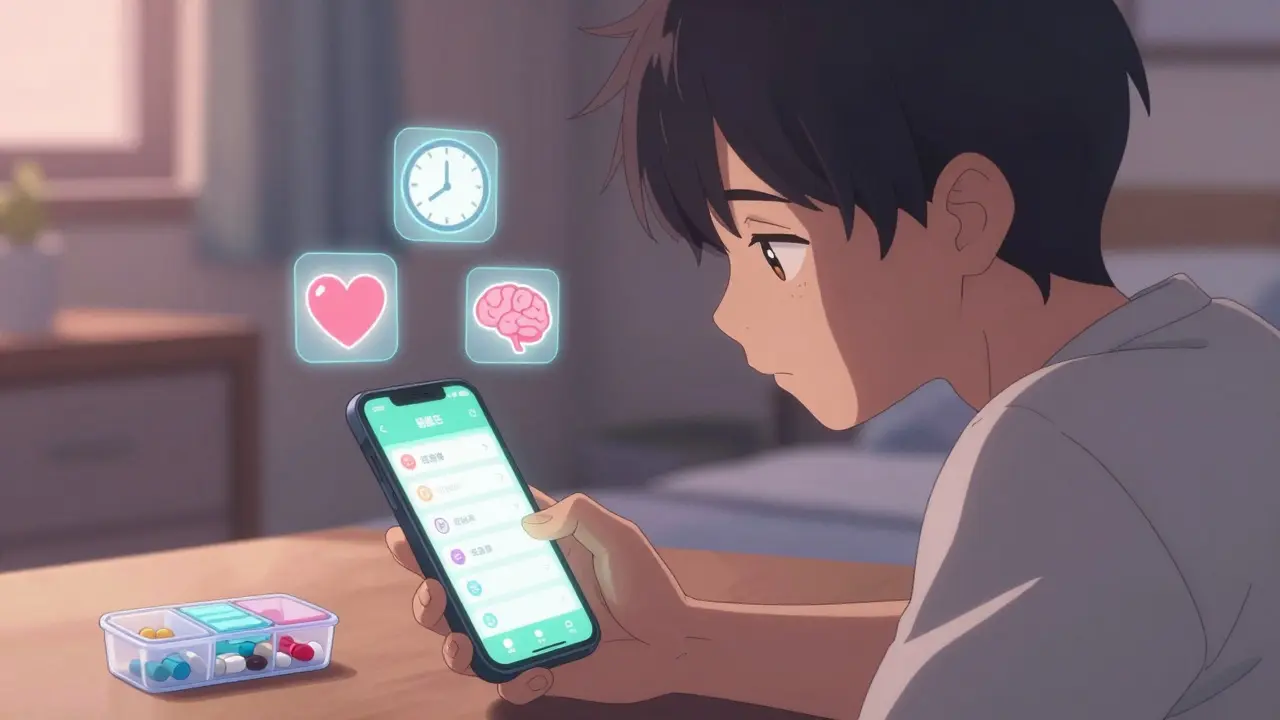
Missing a dose of your blood pressure pill because you forgot. Skipping your insulin because the schedule felt too complicated. Forgetting your antidepressant after a busy day. These aren’t just small mistakes-they’re common, costly, and dangerous. About half of all people with chronic illnesses don’t take their meds as prescribed. That’s not laziness. It’s not carelessness. It’s often just life getting in the way. And that’s where medication timers and apps come in-not as fancy gadgets, but as real, working tools that actually help people stay on track.
Why Most People Miss Their Medications
It’s not about memory. It’s about complexity. Take someone managing diabetes, high blood pressure, cholesterol, and a thyroid pill. That’s four different times a day, sometimes with food, sometimes without. Add in a painkiller for arthritis and a daily vitamin. Suddenly, it’s not just remembering-you’re juggling schedules, refills, side effects, and interactions. And if you’re over 65, dealing with vision issues, hearing loss, or mild cognitive changes? It gets even harder. Traditional solutions like pill organizers help, but they don’t remind you. Alarm clocks? You turn them off. Paper lists? They get lost. Text reminders? They’re easy to ignore. That’s why digital tools are changing the game. They don’t just remind you-they track, educate, and even connect with your doctor’s system.What Makes a Good Medication App?
Not all apps are created equal. The best ones have four core features built right in:- Customizable reminders-set different times for each pill, with options for snoozing or repeating. Some even let you choose a tone that’s hard to ignore.
- Digital medication log-tap a button to mark a dose as taken. No paper, no guesswork.
- Medication interaction checker-if you add a new drug, the app warns you about possible clashes with what you’re already taking.
- Progress dashboard-see your adherence rate over time. A simple graph showing you’ve taken 92% of your doses this month? That’s motivation.
How Effective Are These Apps?
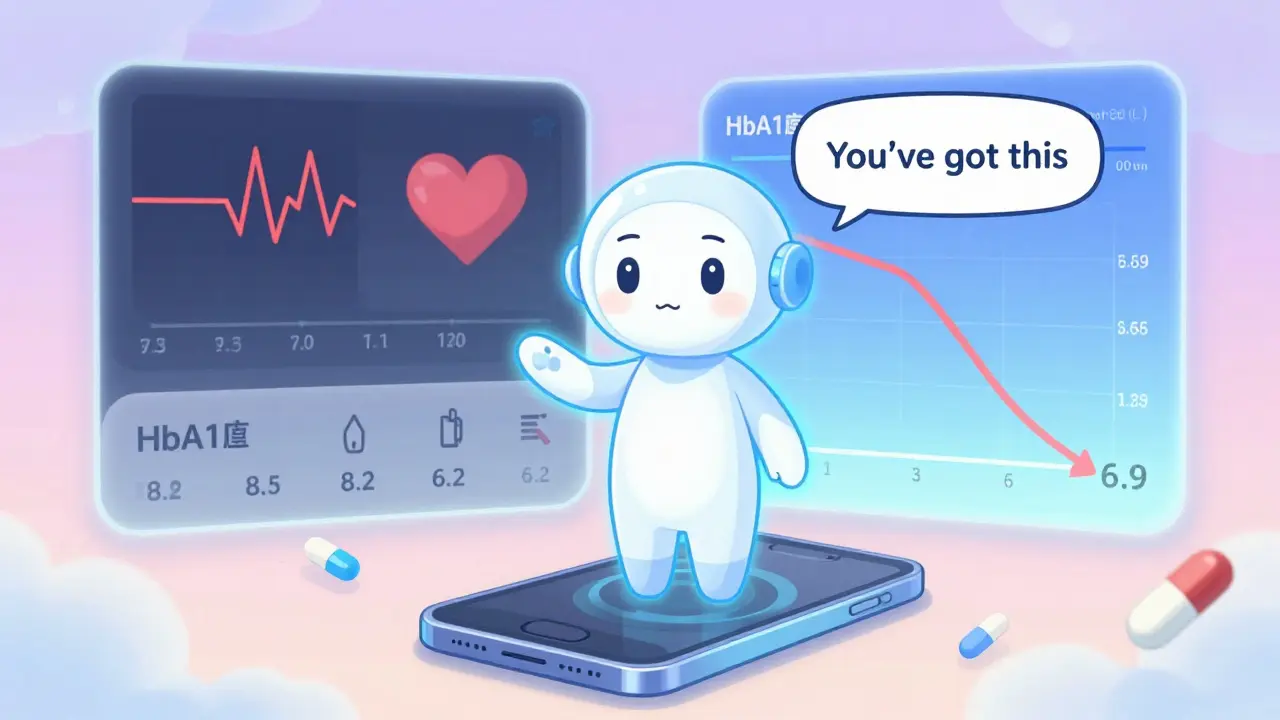
The data doesn’t lie. A 2025 review of 14 clinical trials found that people using these apps improved their adherence by an average of 0.57 points on the Morisky scale-a meaningful jump. That’s not just a number. For someone with heart disease, it means a 30% lower risk of hospitalization. For someone with HIV, it could mean the difference between controlling the virus and developing resistance. One user on Reddit shared: “After six months using Medisafe for my diabetes meds, my HbA1c dropped from 8.2 to 6.9.” That’s not luck. That’s consistency. And it’s repeatable. Apps outperform older tech like electronic pill boxes by 22.7%. Why? Because they’re already in your pocket. You don’t need to buy extra hardware. You don’t need to install anything. Just download, enter your meds, and go.Who Benefits the Most?
These tools work best for people with complex regimens: multiple daily doses, chronic conditions like diabetes, hypertension, or mental health disorders. They’re especially helpful for younger adults and middle-aged users who are comfortable with smartphones. Studies show users aged 18-45 get up to 40% more consistent with their meds after using an app. But they’re not a magic fix for everyone. Older adults, especially those over 70 with limited tech experience, often struggle with setup. One study found it took them nearly 42 minutes to get started-almost triple the time it took younger users. For these people, a family member helping with setup can make all the difference. And if you don’t have a smartphone? Or if your phone data plan is too expensive? These apps won’t help. That’s the gap. Right now, 15-20% of low-income or rural patients are excluded simply because they lack access. It’s a digital divide with real health consequences.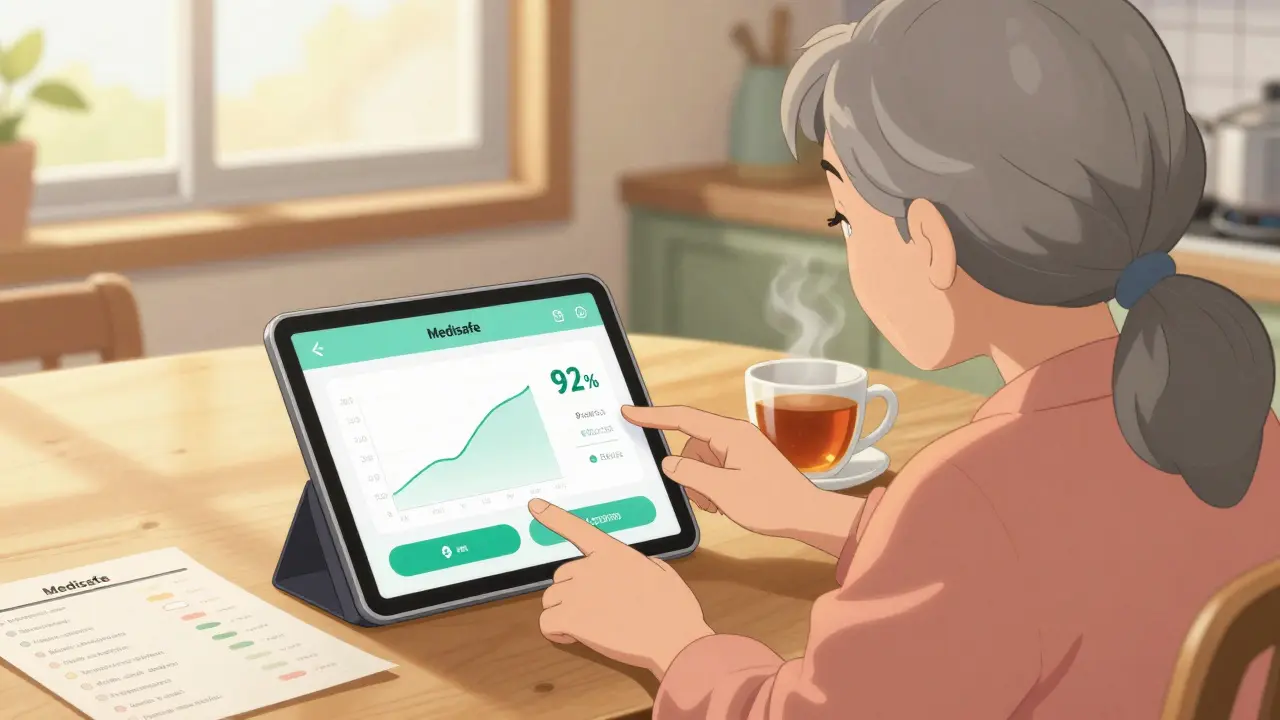
Free vs. Paid Apps: What’s Worth It?
There are dozens of free medication apps on the App Store and Google Play. Many are solid. But here’s the catch: free versions usually have limited features. No pharmacy refill alerts. No doctor sync. No detailed reports. And support? Just email-often with a 2-day wait. Paid apps like Medisafe Premium ($4.99/month) offer 24/7 chat support, automatic refill requests sent to your pharmacy, and integration with electronic health records. For people on Medicare Advantage plans, some of these apps are now covered as a supplemental benefit. That means you might not pay a cent. If you’re on a tight budget, start with a free app. But if you’re managing multiple chronic conditions, the paid version pays for itself in fewer hospital visits and less stress.Setting Up Your Medication App
Getting started is easier than you think. Here’s how:- Download a top-rated app like Medisafe, MyTherapy, or Round Health from your phone’s app store.
- Create an account. You don’t need a doctor’s note-just your name and email.
- Add each medication: name, dose, time, purpose (e.g., “Lisinopril 10mg for blood pressure”).
- Set reminders. Be specific: “Take with breakfast,” “Take before bed.”
- Turn on notifications. Allow sound, vibration, and lock screen alerts.
- Enable cloud backup so you don’t lose your list if you switch phones.
- Test it. Set a reminder for 5 minutes from now. See if it goes off.
Common Problems and How to Fix Them
Some users hit roadblocks. Here’s what usually goes wrong-and how to fix it:- Too many notifications → Use your phone’s Focus Mode (iOS) or Do Not Disturb (Android) to silence other alerts during work or sleep hours.
- App keeps crashing → Update your phone’s OS. Most apps need iOS 12+ or Android 8.0+.
- Can’t remember what each pill is for → Use the app’s notes section. Type “Lisinopril = lowers BP,” “Metformin = controls sugar.”
- Forgot to take a dose → Don’t double up. Check the app’s built-in advice. Most apps tell you whether it’s safe to take a late dose.
- App doesn’t sync with pharmacy → Try Medisafe or MyTherapy-they connect directly with major chains like CVS and Walgreens.
The Future Is Here
The next wave of these tools is even smarter. Medisafe’s “Adherence Coach,” launched in early 2024, uses AI to predict when you’re likely to miss a dose-and sends a gentle nudge before it happens. It’s 84% accurate in testing. The FDA just approved the first prescription digital therapeutic for high blood pressure-a smartphone app that works like a medicine. And by 2027, experts predict most adherence tools will link to wearables, checking your heart rate or sleep patterns to adjust reminders. This isn’t science fiction. It’s healthcare catching up.Is This Really Worth It?
Yes-if you’re taking meds every day. The cost of non-adherence in the U.S. is $300 billion a year. That’s hospitals, ER visits, complications. Apps cost less than a coffee a week. They’re not perfect. But they’re the most effective, accessible tool we have right now. You don’t need to be tech-savvy. You don’t need to buy a new phone. You just need to try one for two weeks. Set it up. Let it remind you. See how it feels to never wonder, “Did I take it?”What About Privacy?
Your health data is sensitive. The best apps are HIPAA-compliant and use end-to-end encryption. That means only you and your doctor (if you share) can see your data. Avoid apps that ask for unnecessary permissions-like access to your contacts or camera. Stick to ones with clear privacy policies. Medisafe, MyTherapy, and Round Health all meet these standards.Final Thought
Medication adherence isn’t about discipline. It’s about design. If the system is too hard, people fail. Apps don’t make you perfect. They make it easier to stay on track. And in health, ease is everything.Can medication apps really improve my health?
Yes. Multiple clinical studies show people using these apps take their meds more consistently. For chronic conditions like high blood pressure, diabetes, or HIV, that means fewer hospital visits, better lab results, and longer, healthier life. One user saw their HbA1c drop from 8.2 to 6.9 after six months using a medication app.
Are these apps free or do I have to pay?
Many top apps are free to download and use basic features. But premium versions-like Medisafe Premium at $4.99/month-offer refill alerts, pharmacy syncing, and 24/7 support. Some Medicare Advantage plans now cover these apps, so check with your insurer. If you’re managing multiple meds, the paid version often pays for itself.
Will these apps work for older adults?
They can, but setup is harder. People over 65 often need 40+ minutes to get started, compared to 18 minutes for younger users. Having a family member or caregiver help with the initial setup makes a big difference. Once it’s running, most seniors find the reminders helpful. Apps with large text and simple buttons work best.
What if I don’t have a smartphone?
If you don’t have a smartphone, these apps won’t help. But you can still use simple tools: a paper pill organizer with alarms on a basic phone, or a voice-activated assistant like Alexa or Google Home set to remind you. Some pharmacies offer free pill dispensers with built-in alarms. Ask your pharmacist-they may have low-tech options.
Do these apps share my data with my doctor?
Only if you choose to. Most apps let you export your adherence report as a PDF or send it directly to your doctor’s portal. Apps like Medisafe can connect to electronic health records using secure standards (HL7/FHIR), but you must give permission first. Your data is private unless you decide to share it.
Can I use these apps for my elderly parent?
Absolutely. Many caregivers use apps to help manage their parent’s meds. You can set up the app on your phone and receive alerts if your parent misses a dose. Some apps even let multiple people log in to monitor the same profile. It’s a practical way to stay involved without being overbearing.
What happens if I miss a dose? Will the app tell me what to do?
Yes. Most apps include guidelines for missed doses-like whether to take it late, skip it, or double up. These are based on clinical recommendations for each medication. If you’re unsure, the app will often suggest calling your pharmacist. Never guess-always check the app first.
Are these apps safe to use with insulin or other high-risk meds?
For tracking insulin doses, most apps are safe as reminders. But if the app is giving dosage advice (like “take 10 units now”), it may be classified as a medical device and needs FDA clearance. Only use apps approved for insulin dosing if your doctor prescribes them. For most people, apps that track and remind-not calculate-are the right choice.
I love how people act like this is some revolutionary breakthrough. My grandma used a pill organizer with a clock alarm in 2003. We didn’t need smartphones to not die from forgetting meds. This is just tech bros monetizing basic responsibility.
yo i just downloaded medisafe and its lit. like i was missin my bp pills like 3x a week now im at 98% and my doc was like "bro did you get a new liver?" lmao. free app, no cap. if u cant even download an app u prob shouldnt be driving either.
Have you ever stopped to think who owns these apps? Big Pharma is quietly funding them. They want you to think you’re ‘in control’ while they track your data, sell it to insurers, and raise prices when you’re dependent on their reminders. This isn’t healthcare-it’s surveillance with a notification sound.
I’ve been using MyTherapy for my antidepressants and honestly? It’s changed my life. Not because it’s fancy, but because it doesn’t judge. Some days I just tap ‘taken’ and cry. Other days I celebrate with a little confetti animation. It’s not tech. It’s a quiet friend who shows up.
hi i am from india and i try use medisafe but my phone is old and app keep crash 😅 also i dont understand why need pay for refill alert? in india most people dont have credit card. why no free option for low income? thx for post!
The empirical evidence supporting digital adherence interventions is statistically significant (p < 0.01), with effect sizes ranging from d = 0.41 to d = 0.67 across randomized controlled trials. Furthermore, the integration of FHIR-compliant APIs enables interoperability with EHRs, thereby reducing administrative burden and improving longitudinal care coordination. The cost-benefit ratio is unequivocally favorable.
I’m a nurse. I’ve seen patients die because they didn’t take their meds. So yes, I’m going to nag you about this. Download the app. Set the reminders. Call your pharmacist. Stop pretending ‘forgetting’ is an excuse. Your life isn’t a Netflix binge-you don’t get to skip episodes and expect the plot to make sense.
I used to think these apps were for nerds. Then my dad had a stroke. Now I set up MyTherapy on his phone. He doesn’t even know how to text, but he taps the big green button every morning like it’s his daily ritual. The app doesn’t fix his memory. But it gives him dignity. And that? That’s worth more than any premium subscription.
I’ve been using Medisafe for 18 months. My HbA1c dropped from 8.1 to 6.4. Not because I’m disciplined. Because the app won’t let me ignore it. It’s like having a drill sergeant in your pocket. And honestly? I kinda like it.
You people are being manipulated. These apps track your location, your sleep, your heart rate-then sell it to insurers who raise your premiums because you ‘missed a dose.’ They’re not helping you. They’re profiling you. And if you’re dumb enough to pay $5/month for this? You deserve what’s coming.
I used to be the person who forgot meds for weeks. Then I downloaded Round Health. No ads. No pop-ups. Just a simple list and a gentle chime. I don’t need graphs or AI coaches. I just need to remember. And now? I do. 💚
You think this is about health? Nah. It’s about control. The government wants you dependent on apps so they can monitor compliance. Next thing you know, your insulin dose gets auto-adjusted by an algorithm. Wake up. This isn’t innovation-it’s social engineering.
In Nigeria, we use WhatsApp groups to remind elderly relatives. One auntie has 12 pills a day. Her daughter sets alarms on her phone, then texts the family: 'Aunty took her meds.' No app needed. Just community. Maybe the real solution isn’t tech-it’s care.