
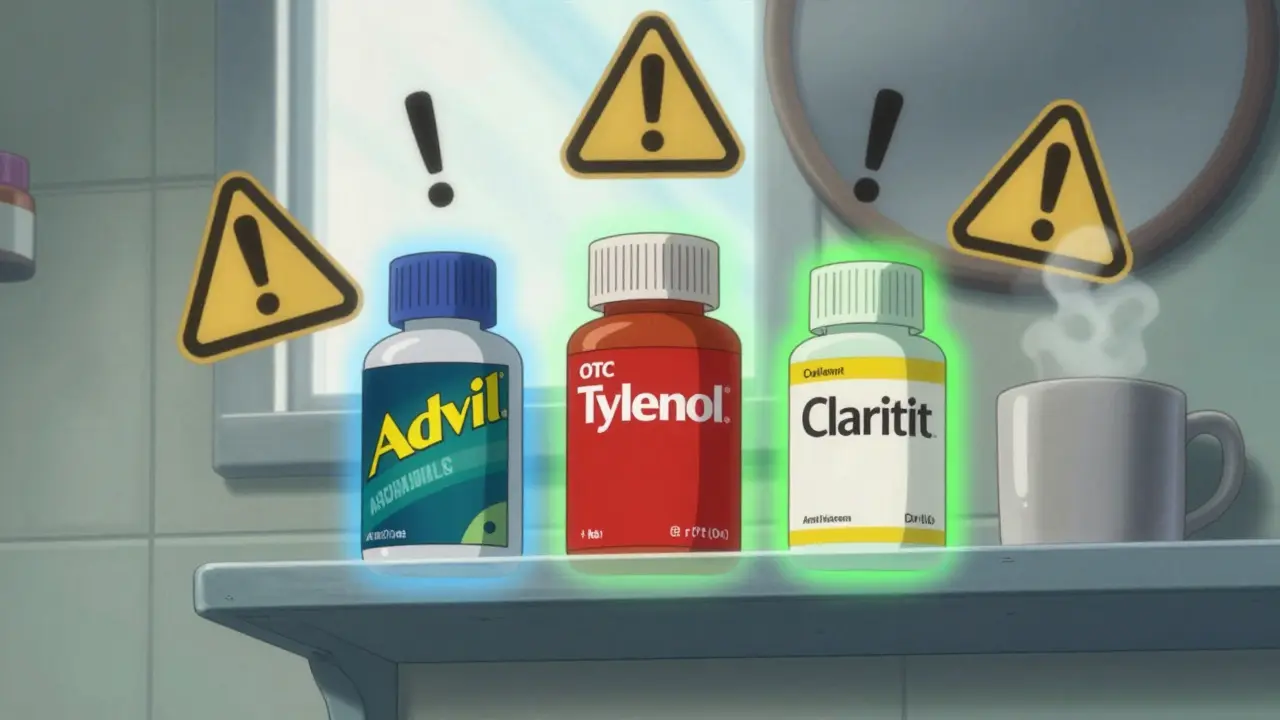
Every year, Americans spend over $120 billion on over-the-counter (OTC) medications. You probably have a bottle of ibuprofen in your cabinet, a box of Tylenol in your drawer, and maybe even a pack of Claritin on your bathroom shelf. These aren’t just convenience items-they’re essential tools for managing everyday pain, fever, and allergies. But here’s the problem: most people don’t know how to use them safely.
What Are NSAIDs, and When Should You Use Them?
NSAIDs-nonsteroidal anti-inflammatory drugs-are the go-to for swelling, joint pain, and muscle soreness. Common OTC names include ibuprofen (Advil, Motrin IB), naproxen sodium (Aleve), and aspirin. They work by blocking enzymes called COX-1 and COX-2, which trigger inflammation and pain signals in your body.
Unlike acetaminophen, NSAIDs actually reduce swelling. That’s why they’re better for sprained ankles, arthritis flare-ups, or menstrual cramps. A 2021 meta-analysis of 15 clinical trials found ibuprofen was 50% more effective than acetaminophen for inflammatory pain.
But there’s a catch. Taking more than 1,200 mg of ibuprofen per day-just six 200 mg tablets-can double your risk of stomach bleeding. People who take NSAIDs regularly are 2.5 times more likely to have a gastrointestinal bleed. And if you have high blood pressure, heart disease, or kidney issues, NSAIDs can make things worse.
Also, about 10-20% of people with asthma get severe breathing problems after taking aspirin or other NSAIDs. This is called aspirin-exacerbated respiratory disease. If you’ve ever had a stuffy nose or wheezing after taking ibuprofen, you might be one of them.
Acetaminophen: The Safe Choice? Not Always.
Acetaminophen (Tylenol) is the most popular pain reliever in the U.S. It’s in over 600 products-from cold medicines to sleep aids. It’s great for headaches, fevers, and mild aches because it doesn’t irritate your stomach like NSAIDs do.
But here’s what most people don’t realize: acetaminophen has a razor-thin safety margin. The maximum daily dose is 4,000 mg, but many experts now recommend capping it at 3,000 mg to reduce liver damage risk. Why? Because taking just 7.5 grams in one day-less than 15 regular-strength tablets-can cause acute liver failure.
In fact, acetaminophen overdose sends 56,000 people to the emergency room every year, according to the National Institute on Drug Abuse. And it’s not always intentional. Many people unknowingly double up by taking Tylenol for a headache and a cold medicine that also contains acetaminophen. The FDA found that 20% of pediatric dosing errors happen because parents confuse teaspoons (tsp) with tablespoons (TBSP).
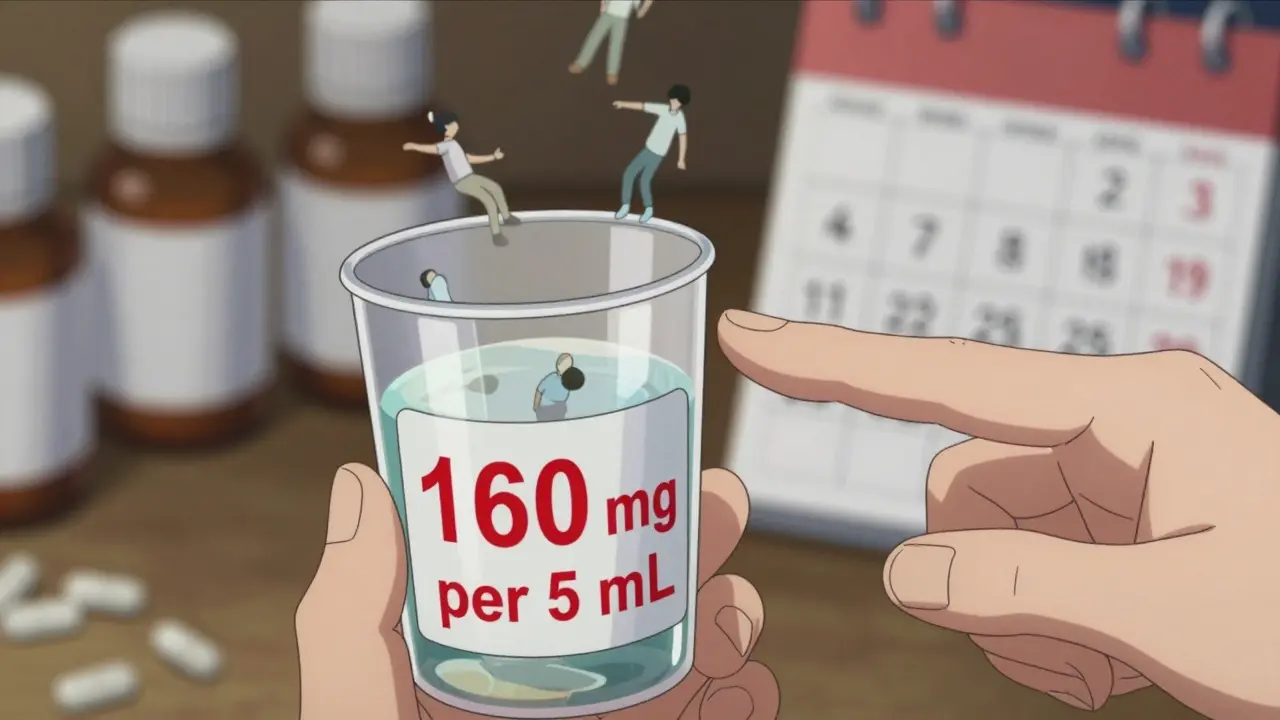
That’s why all liquid acetaminophen formulations now must be labeled at 160 mg per 5 mL. It’s a small change, but it helps prevent mistakes. Still, you need to check every label. Even if you think you’re being careful, you might be taking more than you realize.
Antihistamines: Choose the Right One for Your Life
Allergies? Antihistamines block histamine, the chemical your body releases during allergic reactions. But not all antihistamines are the same. There are two generations-and the difference matters.
First-generation antihistamines like diphenhydramine (Benadryl) and chlorpheniramine work fast-within 15 to 30 minutes. But they cross into your brain and cause drowsiness. In a 2022 Consumer Reports survey, half of users said they felt so sleepy they couldn’t drive or work. That’s why they’re often used as sleep aids. But using them long-term increases fall risk by 50% in older adults, according to a 2021 JAMA Internal Medicine study.
Second-generation antihistamines like loratadine (Claritin), cetirizine (Zyrtec), and fexofenadine (Allegra) were designed to avoid the brain. They cause little to no drowsiness-only about 8% of users report feeling sleepy. They also last 24 hours, so you only need one pill a day.
But here’s something surprising: not everyone responds the same. A Reddit thread with over 1,800 upvotes featured a doctor explaining that genetic differences affect how people react to different antihistamines. You might take Claritin and feel nothing, but Zyrtec clears your sinuses instantly. It’s not placebo-it’s biology.
And while second-gen options are safer for daily use, they still aren’t perfect. Some people report dry mouth, headaches, or a weird taste. If one doesn’t work after a few days, try another. Don’t just stick with the first one you bought.
How to Avoid the Most Common Mistakes
Most OTC medication problems come down to three mistakes: taking too much, mixing the wrong ones, or ignoring hidden ingredients.
- Don’t exceed daily limits. Ibuprofen max: 1,200 mg. Acetaminophen max: 3,000-4,000 mg. Loratadine max: 10 mg. Period.
- Check every label. Cold medicines, sleep aids, and even some cough syrups contain acetaminophen or antihistamines. You can easily hit your daily limit without realizing it.
- Use the right measuring tool. Never use a kitchen spoon. Always use the cup or syringe that came with the medicine. If it’s missing, ask your pharmacist for one.
- Watch for interactions. NSAIDs can interfere with blood pressure meds. Antihistamines can make sedatives stronger. If you’re on any prescription drug, check with a pharmacist before adding an OTC.
And don’t forget: some OTC drugs are behind-the-counter. Pseudoephedrine (Sudafed) is still kept under lock and key because it’s used to make meth. You need to show ID and sign a logbook. That’s not bureaucracy-it’s public safety.
Who Should Be Extra Careful?
Some groups are at higher risk-and they need to be extra cautious.
- Older adults (65+): They metabolize drugs slower. Acetaminophen is preferred over NSAIDs because of bleeding risks. But even acetaminophen can cause confusion or falls if combined with antihistamines.
- Pregnant people: Avoid NSAIDs after 20 weeks-they can affect fetal kidney development. Acetaminophen is considered safest, but always check with your provider.
- People with liver or kidney disease: Acetaminophen can damage the liver. NSAIDs can strain the kidneys. Talk to your doctor before taking either.
- Children: Always dose by weight, not age. Tylenol’s website has detailed charts. Don’t guess.

What’s Changing in the OTC World?
The FDA is pushing for stricter safety rules. In 2023, they proposed lowering the maximum daily acetaminophen dose from 4,000 mg to 3,250 mg. Why? Because the data shows liver damage happens more often than we thought.
Also, stronger topical NSAIDs are now available without a prescription. Voltaren Arthritis Pain gel (1% diclofenac) was the first. Now, a 3% gel is approved for OTC use. That’s a game-changer for people with joint pain who don’t want to swallow pills.
And the trend toward OTC switches continues. Low-dose atorvastatin (for cholesterol) might soon be available without a prescription-just like Prilosec was for heartburn. That could save billions in healthcare costs.
But here’s the real challenge: most people still don’t read labels. A 2023 Pharmacy Times survey found only 87% of pharmacists trust Tylenol’s dosing instructions. Smaller brands? Not so much. If the packaging looks messy or lacks clear warnings, put it back.
When to Call a Pharmacist
You don’t need to be an expert to use OTC meds safely. But you do need to know when to ask for help.
Pharmacists see this every day: someone comes in with three different bottles, unsure which one to take, or worried they’ve overdosed. Pharmacists don’t judge-they help. They’ll check for interactions, explain confusing labels, and even suggest alternatives if your current medicine isn’t working.
If you’re taking more than one OTC product, have a chronic condition, or are over 65, stop guessing. Walk into a pharmacy and ask. It takes five minutes. It could save your life.
Can I take ibuprofen and acetaminophen together?
Yes, you can take them together if you need stronger pain relief, as long as you don’t exceed the daily limit for either. For example, you might take 650 mg of acetaminophen and 200 mg of ibuprofen at the same time, spaced at least 4-6 hours apart. But never take more than one product containing either drug at the same time. Always check labels for hidden ingredients.
Is it safe to use OTC pain relievers every day?
No. OTC pain relievers aren’t meant for daily, long-term use unless directed by a doctor. Regular use of NSAIDs can cause stomach ulcers, kidney damage, or high blood pressure. Daily acetaminophen use-even at the maximum dose-increases liver damage risk over time. If you need pain relief daily for more than 10 days, see a doctor. There’s likely an underlying issue that needs treatment.
Which antihistamine is best for allergies?
There’s no single "best" antihistamine. Loratadine (Claritin) and fexofenadine (Allegra) are least likely to cause drowsiness. Cetirizine (Zyrtec) works faster and is slightly stronger for some people, but may cause mild sleepiness. If one doesn’t help after 3-5 days, try another. Genetics play a big role-what works for your friend might not work for you.
Why do some OTC medicines have different names?
The active ingredient is what matters. Ibuprofen is sold as Advil, Motrin IB, and store brands like Equate or Up & Up. They all contain the same drug. The difference is price, inactive ingredients (like dyes or fillers), and sometimes dosage form (gel cap vs. tablet). Generic versions are just as effective and cost much less. Always check the "Active Ingredients" section on the Drug Facts label.
Can children take adult OTC medications?
Never. Children’s bodies process drugs differently. Adult doses can be toxic. Always use products labeled for children and dose by weight, not age. If you’re unsure, ask a pharmacist. Many pharmacies offer free dosing calculators or apps to help.
What should I do if I think I took too much?
If you suspect an overdose-especially with acetaminophen-call Poison Control immediately at 1-800-222-1222. Don’t wait for symptoms. Liver damage from acetaminophen can start without warning. For NSAIDs, watch for nausea, vomiting, dizziness, or ringing in the ears. Go to the ER if you’re confused, having trouble breathing, or losing consciousness.
OTC medications are powerful. They’re not harmless candy. Knowing how to use them properly means fewer ER visits, less liver damage, and better quality of life. Read the label. Know your limits. Ask for help when you need it.
Man, I used to just grab whatever was cheapest at the store until I ended up in the ER for a stomach bleed from too much ibuprofen. Now I read every label like it’s a contract. Seriously, if you’re taking more than one OTC med, you’re playing Russian roulette with your liver. I keep a little notebook now - what I took, when, and why. It’s weirdly calming.
Also, if you’re over 50 and still using Advil daily? Please, just stop. Your kidneys will thank you. I switched to acetaminophen and a heating pad. Game changer.
I used to take Zyrtec every day without thinking until I realized I was falling asleep at my desk. Switched to Allegra and now I’m alert all day. Funny how one pill can change your whole routine. No more coffee at 2pm either. Weirdly better sleep.
My grandma takes Tylenol for her arthritis and doesn’t even know it’s in her cold medicine. She’s on five different bottles. I had to sit her down and make a chart. She cried. Said she didn’t want to be a burden. We’re getting her a pill organizer next week.
Did you know the FDA is lowering acetaminophen limits because Big Pharma doesn’t want you to live too long? They’re pushing these gels so you’ll buy more. They already made pseudoephedrine hard to get because they want you to pay for decongestants. The government and pharma are in bed together. Read the fine print - every label is a trap.
And why are they putting acetaminophen in EVERYTHING? It’s not an accident. It’s a scheme. Wake up.
Also, did you know Benadryl is banned in Canada? That’s not coincidence. They know what’s going on.
Wow. You actually read the whole thing? Most people just Google ‘how to fix headache’ and swallow three pills. You’re the reason I stopped trusting my neighbor who says ‘I take Advil like candy’.
Also, if you’re taking NSAIDs and you’re not 25 and in the gym, you’re dumb. Just say it.
As an American, I’m proud we lead the world in OTC safety standards. The FDA’s new 3,250 mg limit? That’s what happens when science meets common sense. Other countries still let people overdose on Tylenol like it’s candy. We’re better than that.
And those new topical gels? Pure American innovation. No pills. No gut damage. Just relief. That’s the American way - smart, safe, and effective.
Also, why are we letting foreign generics get sold under our brand names? They don’t even follow our labeling rules. Buy American. Protect your liver.
I didn’t know acetaminophen could cause liver damage even at normal doses until my mom got hospitalized. Now I check every single product I buy - even the ones I’ve used for years. Turns out my favorite nighttime cough syrup had 650 mg per dose. I was taking two. That’s 1300 mg before bed. No wonder I felt foggy.
Also, I tried Claritin for months. Nothing. Then I switched to Zyrtec and my sinuses cleared in 20 minutes. I thought it was placebo until I went back to Claritin and it was like I had allergies again. Biology is wild.
And yeah, the measuring cup thing? My cousin gave her kid a teaspoon of Tylenol because she didn’t have the syringe. Kid ended up in the ER. Don’t be that person. Use the damn syringe.
Thank you for taking the time to write such a thorough, evidence-based overview. This is precisely the kind of public health education we need more of.
It is not merely prudent - it is ethically imperative - to ensure that consumers understand the pharmacological profiles of substances they ingest without medical supervision. The normalization of polypharmacy with OTC agents represents a systemic failure of health literacy.
I encourage all readers to consult with their local pharmacist prior to initiating any new regimen. Pharmacists are among the most underutilized healthcare professionals in the United States, and they are uniquely positioned to prevent adverse drug events.
Moreover, the FDA’s proposed reduction in maximum daily acetaminophen dosage reflects a commendable commitment to patient safety grounded in emerging clinical data. Such regulatory diligence should be celebrated, not criticized.
Let us continue to prioritize informed self-care over convenience. The stakes are simply too high.
Just wanted to add - if you’re from a community where pharmacy access is limited, or you’re on a tight budget, know that many clinics and community centers offer free medication reviews. I’ve seen it firsthand in rural Ohio. A nurse sits with you, lays out all your bottles, and tells you what’s safe to take together.
It’s not just about reading labels - it’s about having someone help you read them.
Also, the new 3% diclofenac gel? That’s a miracle for my knees. No stomach issues. No pills. Just rub it on and go. I wish I’d known about this five years ago.
And hey - if you’re a parent, don’t guess the dose. Use the chart. Weight matters more than age. Always.