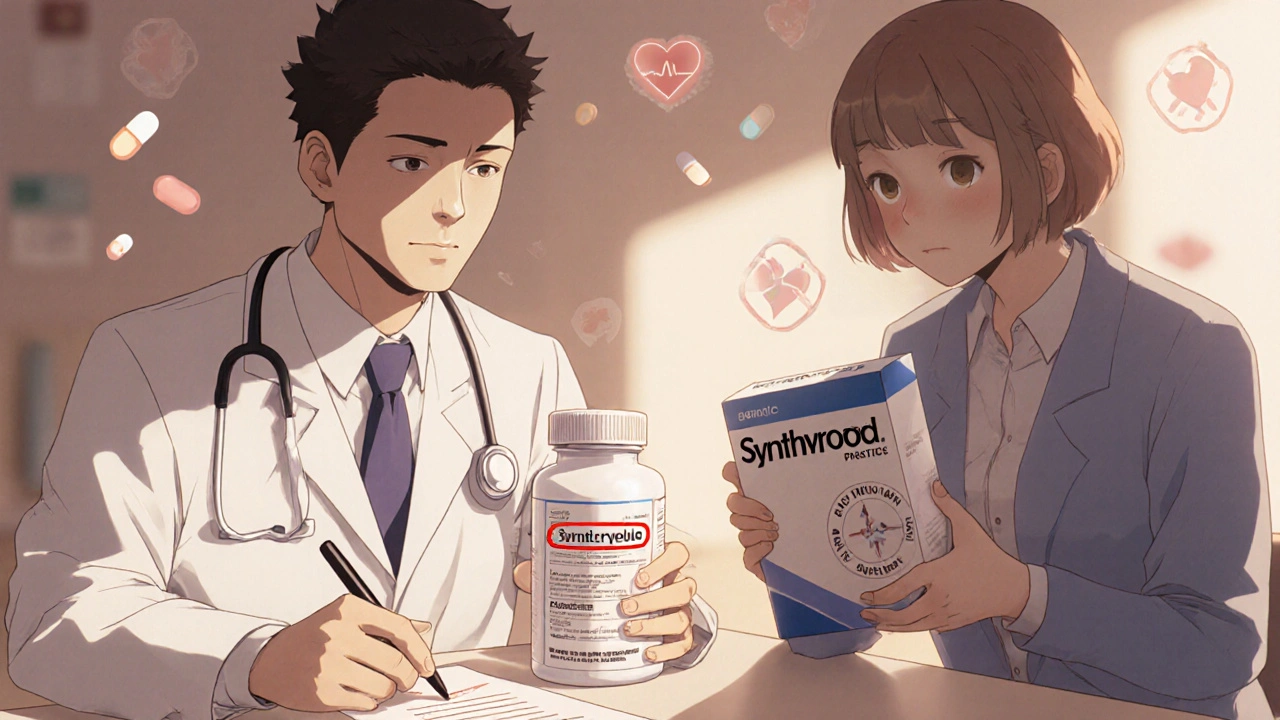
When you hear brand-name prescription, a medication sold under a proprietary name by the original manufacturer, often at a higher price than its generic version. Also known as originator drug, it's the version that first hits the market after years of research and FDA approval. Many people assume brand-name prescriptions are stronger, safer, or work better—but that’s not always true. The active ingredient is identical to the generic. So why do they cost three, five, even ten times more?
The difference isn’t in the medicine. It’s in the packaging, the marketing, and the patent clock. Once a patent expires, other companies can make the same drug under a generic name. But here’s the twist: authorized generics, exact copies of the brand-name drug made by the original company or its licensed partner are chemically identical—same factory, same batch, same inactive ingredients. They’re not just "similar"—they’re the same pill in a different box. And they often cost less than regular generics because they skip the branding overhead. Meanwhile, therapeutic equivalence, the FDA’s official rating that two drugs produce the same clinical effect and safety profile is assigned to most generics. If a drug has an AB rating, you can swap it freely. But not all generics are created equal. Some use different fillers—lactose, dyes, gluten—that can trigger reactions in sensitive people, even if the brand-name version never did.
So when does a brand-name prescription actually make sense? For drugs with a narrow therapeutic window—like warfarin, levothyroxine, or cyclosporine—even tiny differences in absorption can matter. That’s why some doctors stick with the brand. But for most conditions—high blood pressure, depression, infections—switching to a generic or authorized generic saves you hundreds a year with zero loss in effectiveness. And if you’ve ever had an unexpected reaction to a generic, it’s likely not the active drug—it’s the filler. Always check the inactive ingredients list. Hospitals and pharmacies now track these details better than ever, thanks to systems like DSCSA, a U.S. law requiring electronic tracking of drugs from manufacturer to patient, which helps cut down on counterfeit pills and ensures you get what’s labeled.
You don’t need to pay more just because it’s branded. You need to know what’s inside, who made it, and whether your body reacts to the extras. The next time your prescription comes in a different bottle, don’t assume it’s worse. Ask if it’s an authorized generic. Check the FDA’s Orange Book. Talk to your pharmacist. There’s no reason to overpay unless you’ve got a real, documented reason to stick with the brand. Below, you’ll find real stories and data from people who’ve made the switch—and what they learned the hard way.