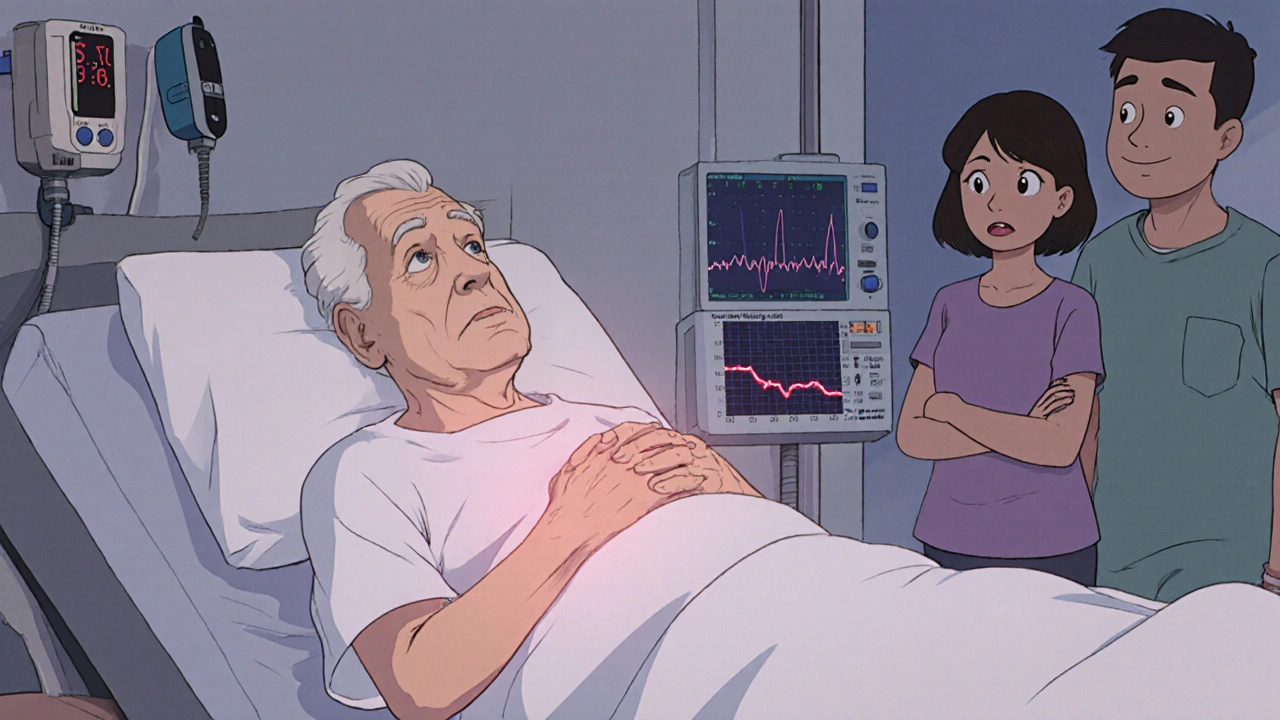
When it comes to capnography, a non-invasive method that measures the level of carbon dioxide in exhaled breath. Also known as end-tidal CO2 monitoring, it’s a simple tool that gives real-time feedback on how well someone is breathing—something especially critical for older adults whose lungs and airways change with age. Unlike pulse oximeters that check oxygen levels, capnography tells you if the body is actually moving air in and out properly. For seniors on sedatives, recovering from surgery, or living with COPD or heart failure, this data can be the difference between catching a problem early and missing it until it’s serious.
Many seniors are at higher risk for breathing issues because of weaker respiratory muscles, reduced lung elasticity, or medications that slow breathing. end-tidal CO2, the highest concentration of carbon dioxide at the end of each exhale is a direct indicator of ventilation efficiency. A sudden drop in this number can mean airway blockage, overdose, or respiratory arrest—problems that don’t always show up as blue lips or gasping. In hospital settings, capnography is now standard for sedated patients, but it’s also being used more in nursing homes and during home care for those on oxygen or sleep apnea devices. It’s not just for the ICU. It’s for anyone whose breathing might be quietly failing.
Related tools like non-invasive breathing monitoring, methods that track respiratory patterns without needles or tubes often include capnography alongside heart rate and oxygen sensors. For seniors, this combo gives a fuller picture than any single reading. A 78-year-old on opioids for chronic pain might look calm, but if their CO2 levels rise over time, they’re retaining carbon dioxide—a silent danger that can lead to confusion, drowsiness, or even coma. Capnography catches this before symptoms become obvious.
You won’t find capnography in every doctor’s office, but if you’re managing care for an older adult—whether at home or in a facility—it’s worth asking. Is this person being monitored for breathing, not just oxygen? Are they getting checked after a procedure, or during sleep? The technology is reliable, affordable, and increasingly common. It doesn’t replace clinical judgment, but it gives you hard numbers when intuition isn’t enough.
Below, you’ll find real-world posts that dig into how capnography fits into broader medication safety, respiratory risks in aging, and the hidden dangers of sedatives and pain drugs. These aren’t theoretical—they’re based on what’s happening in clinics, homes, and hospitals right now. Whether you’re a caregiver, a senior, or a health professional, the information here will help you ask better questions and spot trouble before it escalates.