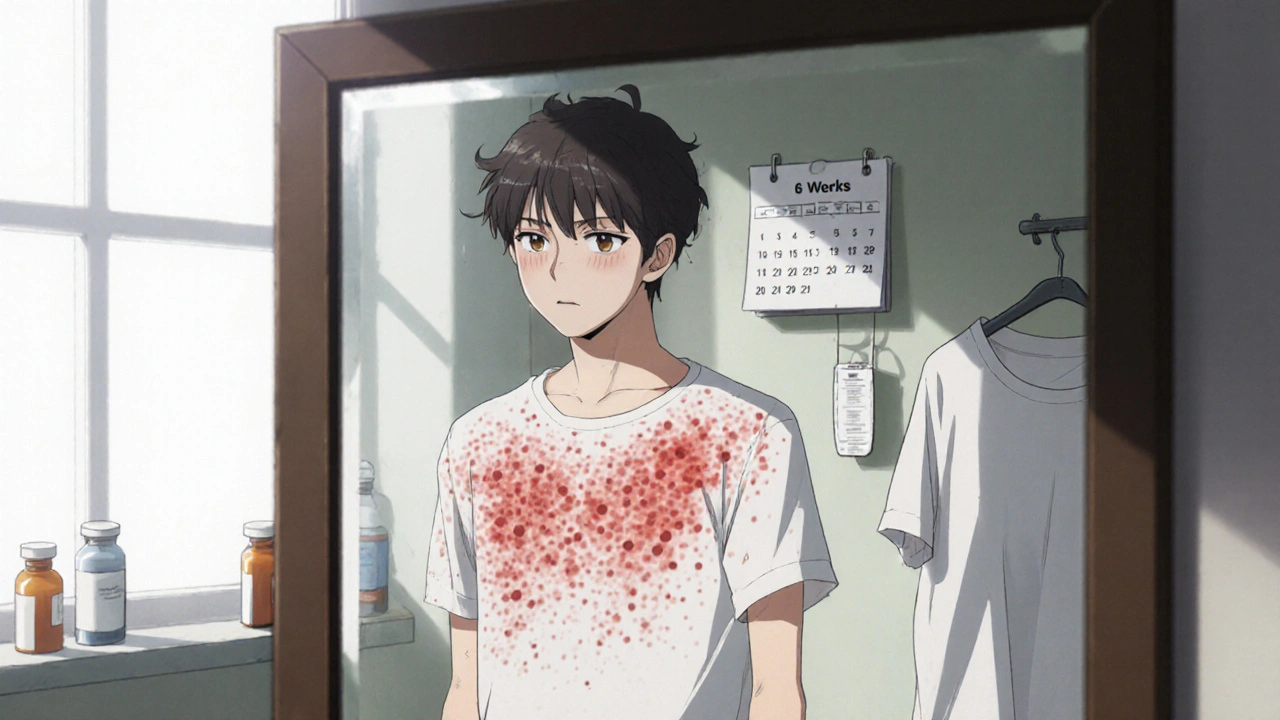
When you apply a corticosteroid, a powerful anti-inflammatory medication used to calm skin reactions like eczema, psoriasis, and rashes. Also known as topical steroids, they work fast—often reducing redness and itching in days. But what happens after weeks or months? That’s where the real risks begin.
Corticosteroid skin effects aren’t just about getting better. They can also mean your skin gets thinner, more fragile, and prone to tearing. This is called skin atrophy, a common side effect from prolonged use, especially with strong formulations. You might notice visible blood vessels, stretch marks, or a shiny, paper-thin texture. In some cases, the skin stops responding entirely, leading to rebound flares when you stop using it—a condition known as steroid withdrawal, a painful, red, burning reaction that can last for months. And it’s not just older adults or people with chronic conditions who get hit. Even healthy users applying creams daily for acne or minor rashes can trigger these changes.
Then there’s the hidden problem: steroid rash, a red, pimple-like breakout that mimics acne but is actually caused by the steroid itself. It often shows up around the mouth, eyes, or on the face after using creams for more than a few weeks. People mistake it for an infection or allergic reaction and reach for more steroid cream—making it worse. And if you’re using these on large areas or under occlusion (like with bandages), your body can absorb enough to affect your hormones, bones, or even your adrenal glands.
The posts below don’t just list problems—they show you what to do next. You’ll find real comparisons between steroid creams and safer alternatives, tips on how to wean off without triggering a flare, and how to rebuild skin health after long-term use. Whether you’ve been using a cream for months or just started and noticed your skin changing, this collection gives you the clear, no-fluff facts you need to protect yourself. No hype. No guesswork. Just what works—and what doesn’t.