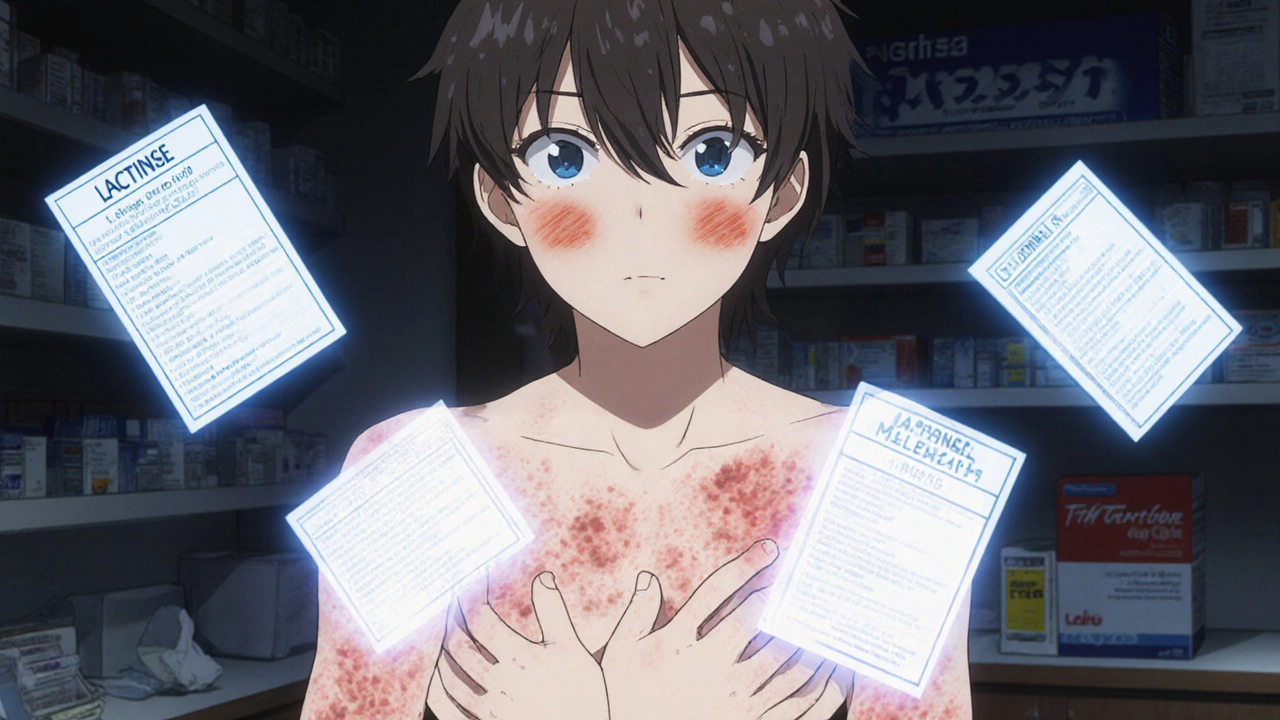
When you take a pill, the active ingredient is what treats your condition—but the rest? That’s made up of inactive ingredients, substances added to a drug to help it be absorbed, held together, or taste better without treating the illness. Also known as excipients, these are the fillers, dyes, preservatives, and coatings that make your medicine possible to swallow, store, and manufacture. You might think they’re just background players, but they’re not harmless. Some people react to lactose, gluten, or food dyes hidden in pills. Others get stomach upset from certain binders. And if you’re switching from brand to generic, those inactive ingredients can change—even if the active drug is the same.
That’s why generic drugs, medications that copy brand-name drugs in active ingredient, strength, and dosage form aren’t always identical underneath the surface. A generic version of your pill might use a different dye, a different coating, or a different filler. For most people, that doesn’t matter. But if you have allergies, sensitivities, or conditions like celiac disease, those tiny differences can cause real problems. That’s also why some doctors insist on brand-name only prescriptions—especially with drugs that have a narrow therapeutic index, a small margin between a safe dose and a toxic one. Even small changes in how a drug is absorbed due to different inactive ingredients can throw off the balance.
And it’s not just about allergies. Inactive ingredients affect how fast a drug gets into your system, how long it lasts, and even whether it works at all. Some coatings are designed to release the drug slowly. Others protect it from stomach acid. If you crush a pill meant to be swallowed whole, you could be changing how it works—because you’re messing with the inactive ingredients that control its release. Even something as simple as a sugar coating can matter if you’re diabetic. These aren’t just technical details—they’re part of your treatment plan.
What you’ll find in the posts below are real-world examples of how these hidden components affect people. From how inactive ingredients can trigger nosebleeds in those on blood thinners, to why some seniors react to dyes in sedatives, to how switching to a generic version of a heart drug led to unexpected side effects—these aren’t hypotheticals. They’re stories from patients and doctors who’ve seen the impact firsthand. You’ll also learn how to read labels, ask your pharmacist the right questions, and spot when a change in your medication might be due to something other than the active ingredient. This isn’t about fear—it’s about awareness. Your medicine works because of both what’s in it and what’s around it. Knowing the difference could save you from a reaction you never saw coming.