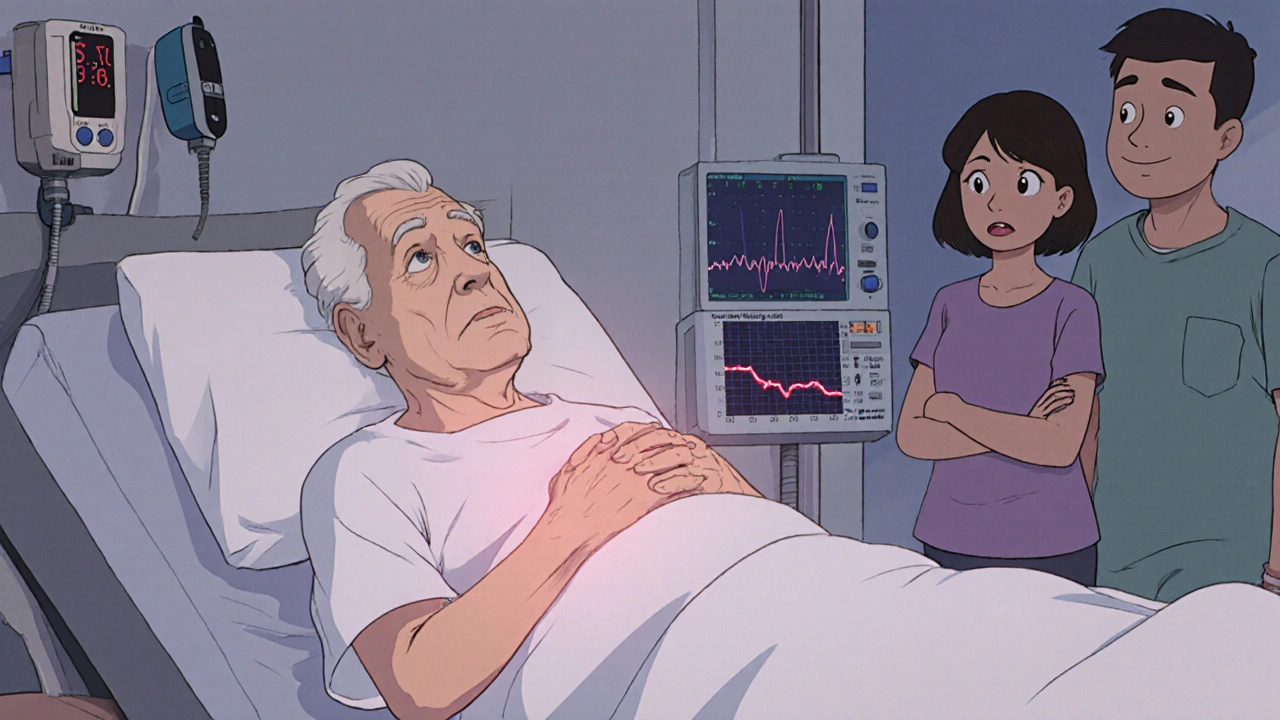
When someone overdoses on opioids, a class of powerful painkillers that include prescription pills, heroin, and fentanyl. Also known as narcotics, these drugs slow breathing until it stops—often silently, often quickly. Opioid overdose prevention isn’t about scare tactics or judging people. It’s about having the right tools and knowing exactly what to do when things go wrong.
You don’t need to be a doctor to stop an overdose. The key is naloxone, a medication that reverses opioid effects in minutes. Also known as Narcan, it’s safe, easy to use, and works even if you’re not sure what the person took. Naloxone comes as a nasal spray or injection. It won’t harm someone who didn’t take opioids. It won’t get you high. And it’s now available without a prescription in most places. If you or someone you know uses opioids—even just once a month—keep naloxone nearby. It’s like a fire extinguisher for your medicine cabinet.
But naloxone isn’t the whole story. Most overdoses happen because people don’t know what they’re taking. Fentanyl, a synthetic opioid 50 to 100 times stronger than morphine, is now mixed into pills that look like prescription painkillers or even Adderall. People think they’re taking something safe. They’re not. That’s why testing strips—small paper strips that detect fentanyl in drugs—are becoming essential. A $1 strip can save a life.
People who use opioids alone are at the highest risk. If you use, never do it by yourself. If you’re helping someone, stay with them. Watch for slow or shallow breathing, blue lips, or unresponsiveness. Call 911 immediately—even if you give naloxone. The effects of naloxone wear off faster than some opioids, and the person can slip back into overdose.
Many of the posts on this site cover related risks: how sedatives like scopolamine can make opioid effects worse, how pain and sleep issues lead people to rely on opioids, and how hospital systems are trying to cut down on dangerous prescriptions. But real change doesn’t happen in clinics alone. It happens in homes, in parking lots, in dorm rooms. It happens when someone keeps naloxone in their pocket, when a friend learns to recognize the signs, when a family stops pretending the problem isn’t there.
There’s no shame in asking for help. There’s no shame in carrying naloxone. And there’s no time to wait until it’s "someone else’s problem." The tools are here. The knowledge is here. What’s left is to act.
Below, you’ll find real-world guides on medication safety, drug interactions, and how to protect yourself and others from hidden dangers in everyday prescriptions. These aren’t abstract warnings—they’re practical steps people are using right now to stay alive.