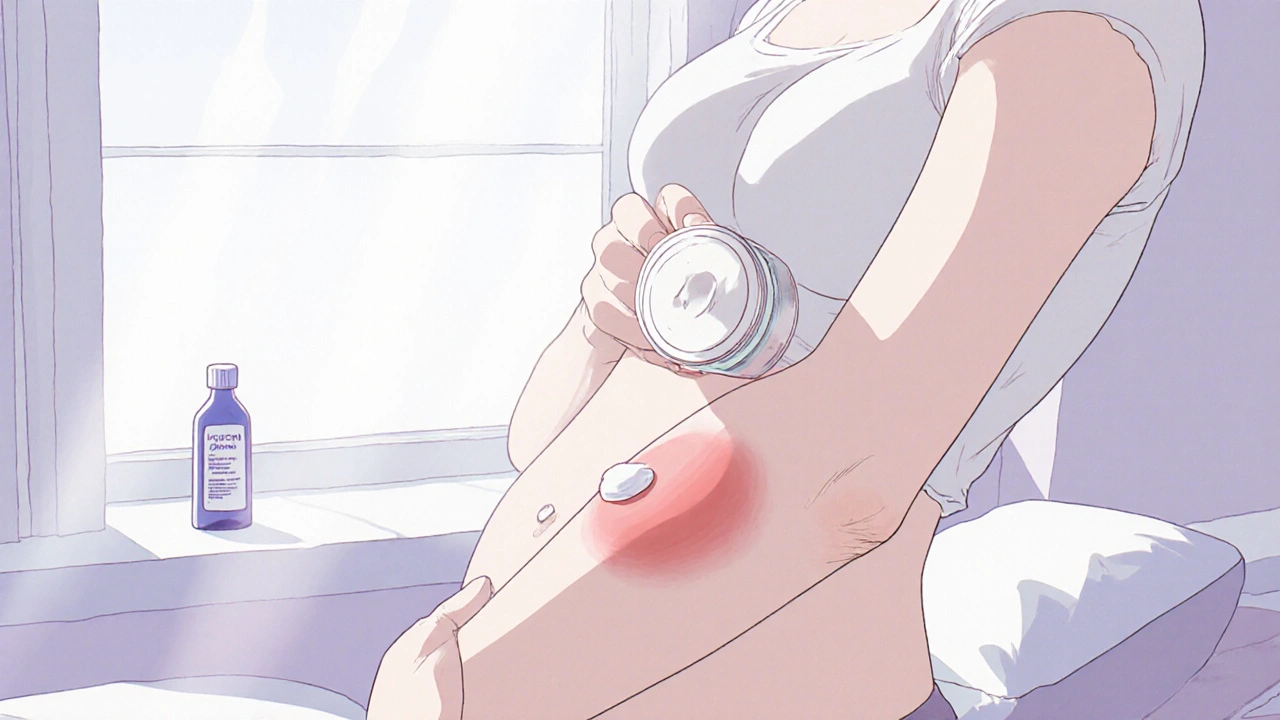
When you’re pregnant, your skin changes—sometimes dramatically. Breakouts, dryness, dark spots, and sensitivity aren’t just annoying; they make you question everything you’ve ever put on your face. That’s where safe skincare during pregnancy, a set of practices and product choices designed to protect both mother and developing baby from harmful chemicals. Also known as pregnancy-safe skin care, it’s not about avoiding all products—it’s about choosing wisely. You don’t need to ditch your whole routine. But you do need to know what’s actually risky and what’s just myth.
Many common skincare ingredients are off-limits during pregnancy. retinoids, a class of vitamin A derivatives including tretinoin and isotretinoin, used for acne and anti-aging are a big one. They’re linked to birth defects, even in topical form. salicylic acid, a beta hydroxy acid often found in acne treatments and chemical peels is fine in low doses (like 2% in cleansers), but avoid high-concentration peels or oral forms. hydroquinone, a skin-lightening agent used for melasma is another no-go—there’s not enough safety data, and it can be absorbed through the skin. Meanwhile, ingredients like glycolic acid, niacinamide, and zinc oxide are generally considered safe and even helpful. Zinc oxide, for example, is the active ingredient in mineral sunscreens, which are the gold standard for pregnant women because they sit on top of the skin instead of soaking in.
It’s not just about what’s in the bottle—it’s about what your body’s going through. Hormonal shifts make your skin more reactive. What worked before might now cause redness or irritation. That’s why patch testing new products matters. Also, skip harsh exfoliants, strong fragrances, and anything labeled "anti-aging" unless you’ve checked the full ingredient list. Sun protection is non-negotiable. Melasma, or the "mask of pregnancy," affects up to 70% of expectant mothers, and UV exposure makes it worse. A broad-spectrum SPF 30+ mineral sunscreen applied daily is one of the best things you can do for your skin right now.
And don’t assume "natural" means safe. Essential oils like rosemary, clary sage, and cinnamon can trigger contractions. Herbal extracts like licorice root or aloe vera in high concentrations may also carry risks. The truth? You don’t need fancy serums or expensive treatments. Cleanse gently, moisturize with simple formulas, and protect from the sun. That’s it. The rest is noise.
Below, you’ll find real, practical guides on what skincare products are safe during pregnancy, which ingredients to watch out for, how to manage acne without prescriptions, and what alternatives actually work—backed by clinical insight and real user experience. No fluff. Just clear, actionable advice to help you protect your skin and your baby at the same time.