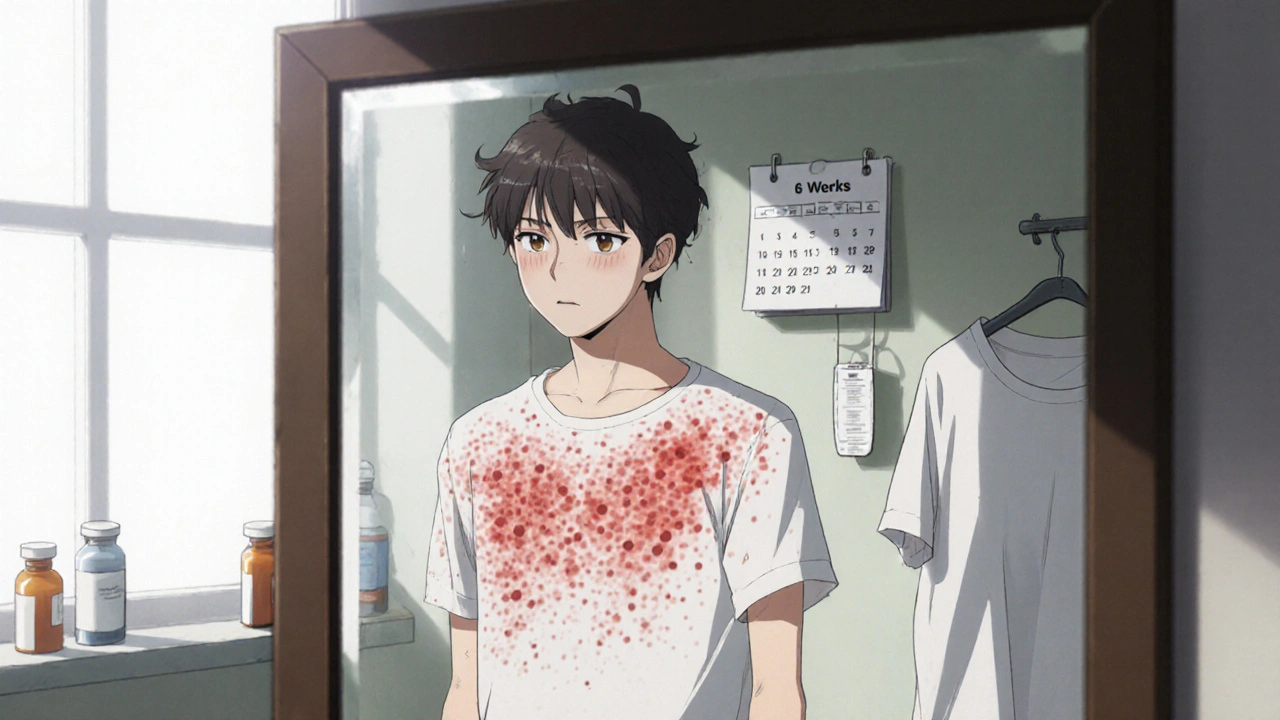
When it comes to clearing up acne, topical acne treatment, directly applied medications that target breakouts on the skin’s surface. Also known as spot treatments, these products are often the first line of defense for mild to moderate acne—and for many people, they’re the only treatment needed. Unlike pills that work from the inside out, topical treatments hit the problem where it starts: clogged pores, excess oil, and bacteria on the skin.
Not all acne creams are created equal. The most common and proven ingredients include benzoyl peroxide, a powerful antibacterial agent that kills acne-causing bacteria and reduces inflammation, salicylic acid, a gentle exfoliant that unclogs pores and prevents new breakouts, and retinoids, vitamin A derivatives that speed up skin cell turnover and stop pores from getting blocked. These aren’t just marketing buzzwords—they’re backed by decades of clinical use. Benzoyl peroxide works fast but can dry out skin. Salicylic acid is gentler, ideal for sensitive skin. Retinoids take weeks to show results but prevent future breakouts better than anything else.
What you avoid matters just as much as what you use. Many people ruin their progress by mixing harsh scrubs, alcohol-based toners, or strong DIY remedies with their acne cream. Some topical treatments, like tretinoin or adapalene, are prescription-only because they can cause irritation or sun sensitivity. And if you’re pregnant or planning to be, you need to know which ones to skip—like retinoids and high-dose salicylic acid—because they can affect fetal development. Safe alternatives exist, and the right choice depends on your skin type, severity, and lifestyle.
There’s no magic solution, but the right topical acne treatment can cut breakouts in half within weeks. The key is consistency, not intensity. Using a product too often or combining too many at once doesn’t make it work faster—it just makes your skin red, flaky, and miserable. Most people see results in 4 to 8 weeks. If nothing’s changed after 12 weeks, it’s time to rethink your approach.
Below, you’ll find real comparisons and practical guides on the most common topical acne treatments—from OTC creams you can buy today to prescription options your doctor might suggest. You’ll learn what works for hormonal acne, teenage breakouts, and adult flare-ups. You’ll also see what to avoid during pregnancy, how to layer treatments without irritation, and why some products that sound powerful actually do more harm than good. This isn’t theory. These are the tools real people use—and the mistakes they’ve learned from the hard way.