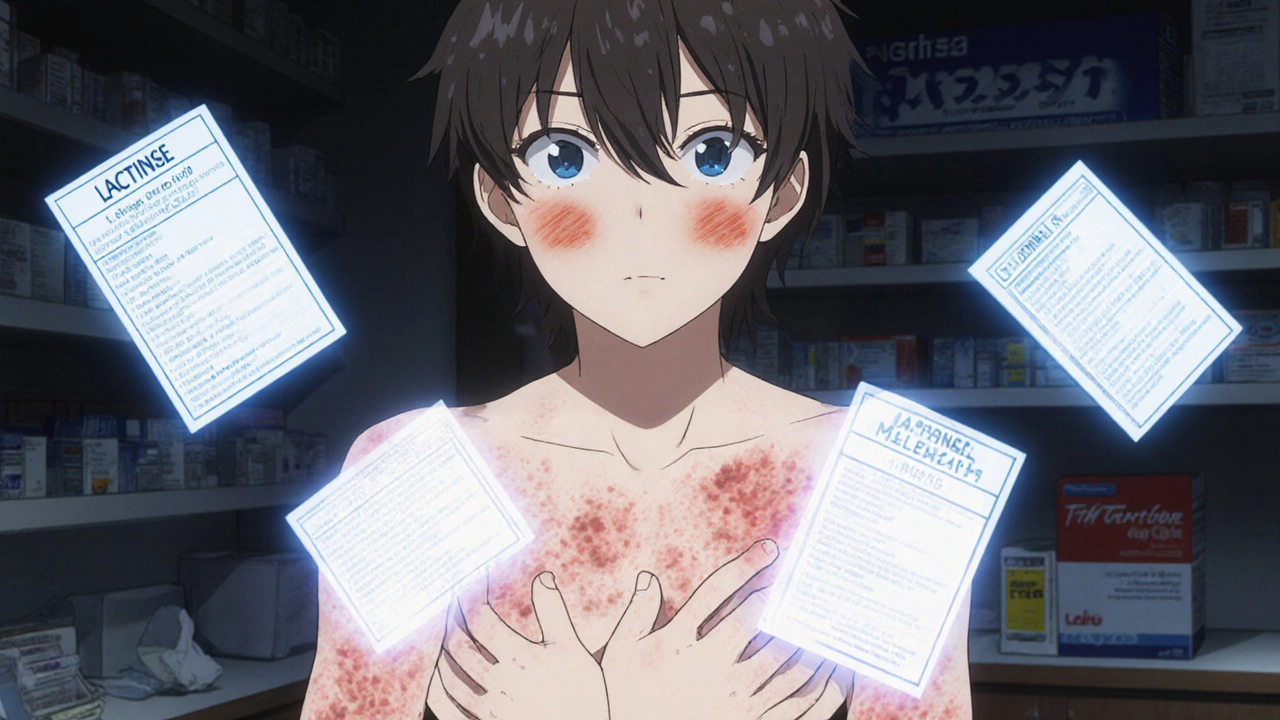
When you or someone else has a drug reaction, an unexpected and harmful response to a medication. Also known as adverse drug reaction, it can be mild or life-threatening—knowing the difference can save a life. Most people think a bad reaction means a rash or upset stomach. But some reactions happen fast, silently, and can shut down your body in minutes.
Anaphylaxis, a severe, whole-body allergic reaction, is the most urgent reason to call 911. It doesn’t always come from food—antibiotics like penicillin, NSAIDs like ibuprofen, or even contrast dyes used in scans can trigger it. Symptoms include swelling of the throat, wheezing, sudden drop in blood pressure, or loss of consciousness. If someone turns pale, can’t breathe, or feels like they’re dying, don’t wait. Call 911 now. Waiting even five minutes can be fatal. Another red flag is medication overdose, taking too much of a drug, intentionally or accidentally. This isn’t just about opioids—overdosing on sleep aids, blood pressure pills, or even acetaminophen can cause liver failure, seizures, or stopped breathing. Signs include confusion, vomiting, slow or shallow breathing, unresponsiveness, or blue lips. You don’t need to be sure it’s an overdose. If someone acts strangely after taking medicine, treat it like an emergency.
Some reactions are slower but just as dangerous. A drug can cause internal bleeding without warning—think nosebleeds that won’t stop, black stools, or sudden bruising. Others attack the heart or kidneys. If someone develops chest pain, irregular heartbeat, or stops urinating after starting a new drug, get help. These aren’t side effects you can ignore. Hospitals see this all the time: people wait because they think it’s "just a side effect." But when your body is failing, "just" doesn’t matter.
You don’t need to be a doctor to spot danger. If the reaction feels wrong—if it’s sudden, severe, or getting worse—trust that feeling. Call 911. Tell them the name of the drug, when it was taken, and what symptoms are happening. Paramedics are trained to handle this. They carry epinephrine, oxygen, and tools to keep someone alive until they reach the ER. And if you’re unsure? Call anyway. Better to be wrong than to lose precious time.
The posts below cover real cases, hidden risks, and how to protect yourself from dangerous reactions. You’ll find what drugs are most likely to cause trouble, how to tell the difference between a nuisance and a crisis, and what to do if you’re caring for someone on multiple medications. This isn’t theory. These are the facts that keep people alive.