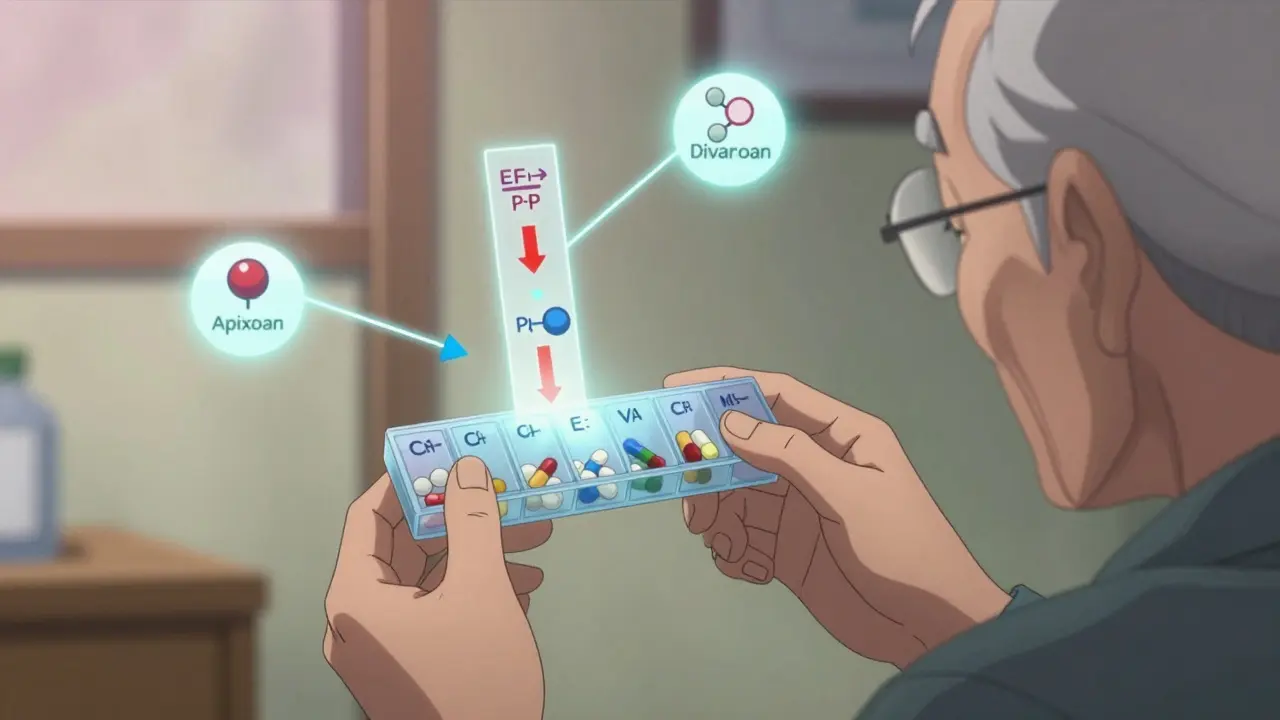
When doctors prescribe blood thinners, medications that reduce the risk of dangerous blood clots by slowing down clotting processes. Also known as anticoagulants or antiplatelets, they don’t make your blood watery—they just stop it from clumping too fast. If you’ve had a stroke, a heart attack, or have atrial fibrillation, these drugs are often life-saving. But they’re not harmless. Every year, thousands end up in the ER because they didn’t know how to manage the risks.
Warfarin, an older anticoagulant that requires regular blood tests to keep doses right, is still used, but newer options like dabigatran, a direct oral anticoagulant that doesn’t need constant monitoring are becoming more common. These drugs work differently: warfarin blocks vitamin K, while dabigatran directly stops thrombin, a key clotting protein. Then there are antiplatelets, like aspirin or clopidogrel, which stop platelets from sticking together—they’re often used after stents or for people with blocked arteries. Each has its own side effects, interactions, and rules. You can’t just swap one for another without medical guidance.
Many people on blood thinners don’t realize how much their daily habits matter. A single glass of alcohol can throw off warfarin. Certain antibiotics can make dabigatran less effective. Even something as simple as switching from a regular multivitamin to one with extra vitamin K can change how well your medication works. And if you’re active—whether you’re a runner, a gym-goer, or just someone who hikes on weekends—you need to know the signs of internal bleeding: unexplained bruising, dark stools, sudden headaches, or joint pain that won’t quit.
The posts below cover real situations: how athletes manage bleeding risks on dabigatran, why seniors need special monitoring, how to spot overdose signs in older adults, and what to do when you’re on multiple meds that could interfere. You’ll find comparisons between drugs, practical tips for avoiding complications, and clear explanations of what’s safe and what’s not. No fluff. No jargon. Just what you need to stay safe and informed while taking these powerful medications.