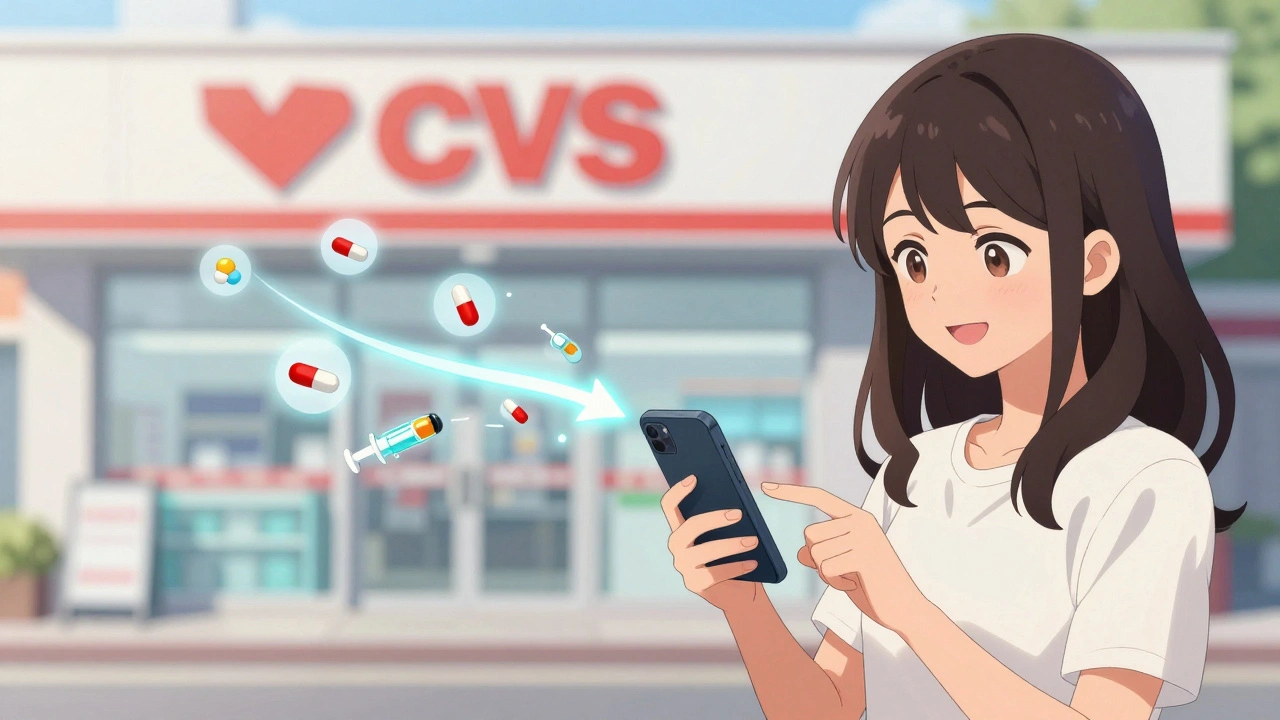
When you need to switch pharmacies, e-prescription transfer, the secure digital process of moving a prescription from one pharmacy to another. Also known as electronic prescription transfer, it eliminates the need for paper scripts and reduces errors that come with manual entry. This isn’t just convenience—it’s a safety feature built into modern healthcare. Your doctor sends the prescription electronically to your chosen pharmacy, and if you change your mind later, that same prescription can be sent to a new one—no calls, no faxes, no lost slips.
Behind the scenes, electronic health records, digital systems that store your medical history and medication list connect with pharmacy networks to verify your identity, check for drug interactions, and confirm dosages. This is why you can walk into a new pharmacy with just your ID and have your meds ready in minutes. But it’s not foolproof. If your doctor used a different system than the pharmacy, or if the prescription has special controls (like opioids or Schedule II drugs), the transfer might need extra steps—or even a new script.
Pharmacist-led substitution programs, where pharmacists review and switch medications to safer or cheaper alternatives often rely on smooth e-prescription transfer to work. If your new pharmacy can’t access your full history, they can’t tell if you’re already taking something that might clash. That’s why some states now require pharmacies to share refill history electronically. It’s not just about speed—it’s about catching mistakes before they happen.
And it’s not just for regular meds. People managing chronic conditions—like diabetes, high blood pressure, or COPD—depend on this system to avoid gaps in care. Missed doses lead to ER visits. With e-prescription transfer, your meds follow you whether you’re moving, traveling, or just switching to a cheaper pharmacy down the street. But don’t assume it’s automatic. Some older systems still require manual requests. Always confirm with your pharmacy that the transfer went through. Ask for a confirmation number. Check your pill bottle when you pick it up—does the dose match what your doctor prescribed?
What you’ll find in the posts below is a real-world look at how prescriptions move through the system. From how VA formularies, the official list of approved drugs for veterans handle transfers to why some generic medications, lower-cost versions of brand-name drugs with identical active ingredients get blocked during transfers due to insurance rules, these posts cut through the noise. You’ll see how medication reconciliation, the process of comparing your current meds with what’s been prescribed ties into e-prescription transfer, why some patients get stuck waiting days for a simple switch, and what you can do to speed it up. This isn’t theory. These are the real issues people face every day trying to get their meds without hassle or risk.