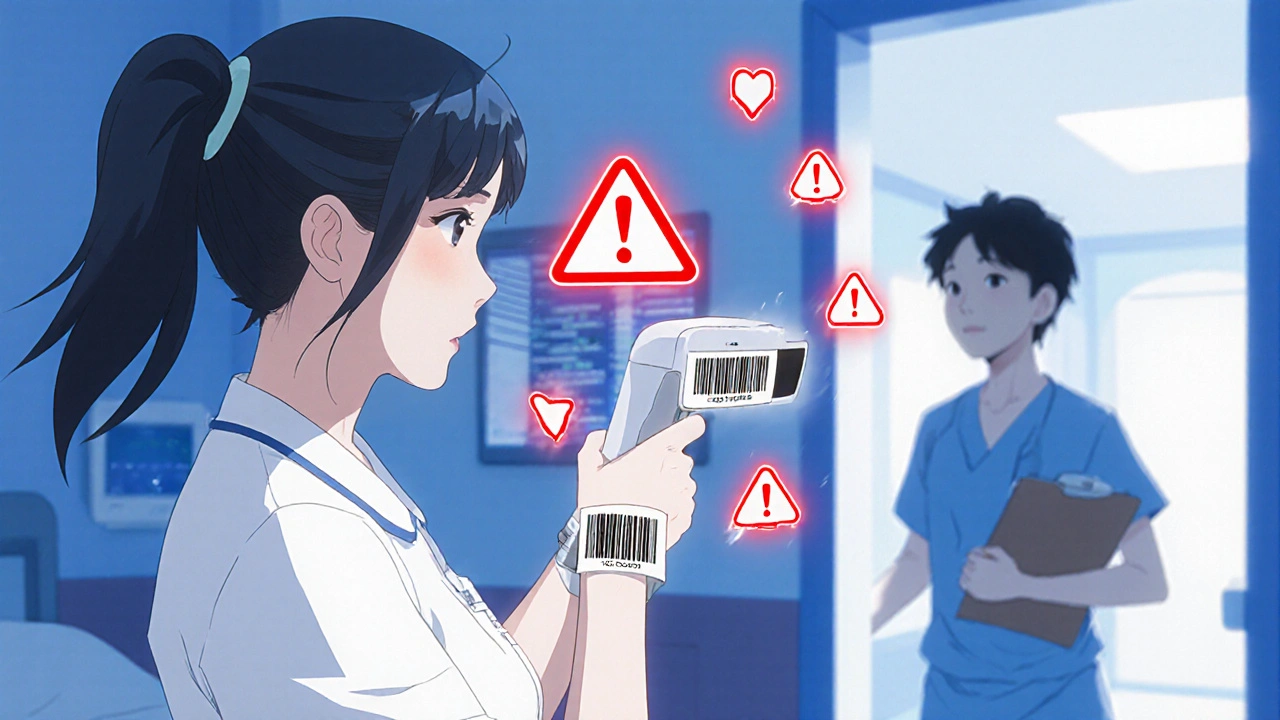
When a drug is labeled a high-alert medication, a drug with a high risk of causing serious harm if used incorrectly. Also known as dangerous drugs, these aren’t just powerful—they’re unforgiving. A small dosing error, a bad interaction, or even a simple mix-up in the hospital can lead to respiratory failure, organ damage, or death. These aren’t rare cases. The Institute of Medicine found that over 1.5 million Americans are injured each year by medication errors—and a huge chunk involve high-alert drugs.
What makes a medication high-alert? It’s not about how strong it is, but how easily things go wrong. Opioids, painkillers like morphine and fentanyl that slow breathing are a classic example. A single extra milligram can stop someone’s lungs. Insulin, a hormone that controls blood sugar is another. Too much and you crash into hypoglycemia; too little and you risk diabetic coma. Then there’s warfarin, a blood thinner that needs constant monitoring. A missed lab test or a new vitamin supplement can turn it deadly. These aren’t abstract risks. They show up in real people—seniors on multiple meds, hospital patients in busy units, even home users who don’t realize how thin the safety margin is.
And it’s not just the drugs themselves. It’s what they’re mixed with. Sedatives, like benzodiazepines or sleep aids can turn a high-alert drug into a trap. Scopolamine for motion sickness? Dangerous with alcohol. Tolvaptan for kidney disease? Risky if you’re not tracking sodium levels. Fluoroquinolones? They can tear tendons, especially in older adults already on steroids. These connections aren’t theoretical—they’re documented in real patient cases, and they’re why hospitals use double-check systems, barcode scans, and specialized training. But even with all that, mistakes happen. That’s why understanding these risks isn’t just for doctors—it’s for patients and caregivers too.
You’ll find posts here that dig into exactly how these dangers play out. One shows how seniors on opioids can slip into over-sedation without anyone noticing until it’s too late. Another breaks down why scopolamine can’t be mixed with sleep meds. There’s a guide on how to spot early signs of overdose in the elderly, and another on why fluoroquinolones are now restricted to life-threatening infections only. You’ll see how even something as common as aspirin can trigger nosebleeds when paired with blood thinners. These aren’t just warnings—they’re practical tools. If you or someone you care for is on one of these drugs, you need to know what to watch for, what to ask your pharmacist, and when to push back. This isn’t about fear. It’s about control. The right information turns a high-alert drug from a threat into a manageable part of treatment. And that’s what this collection is for.