When you’ve had a kidney stone, a hard deposit of minerals and salts that forms in the kidneys and can cause severe pain. Also known as renal calculi, these stones don’t just appear out of nowhere—they’re often tied to what you eat and drink every day. Many people think it’s just bad luck, but the truth is, your diet plays a huge role in whether you get another one. The right kidney stone diet isn’t about starving yourself or cutting out everything you love. It’s about making smart swaps that reduce stone-forming minerals while keeping your body balanced.
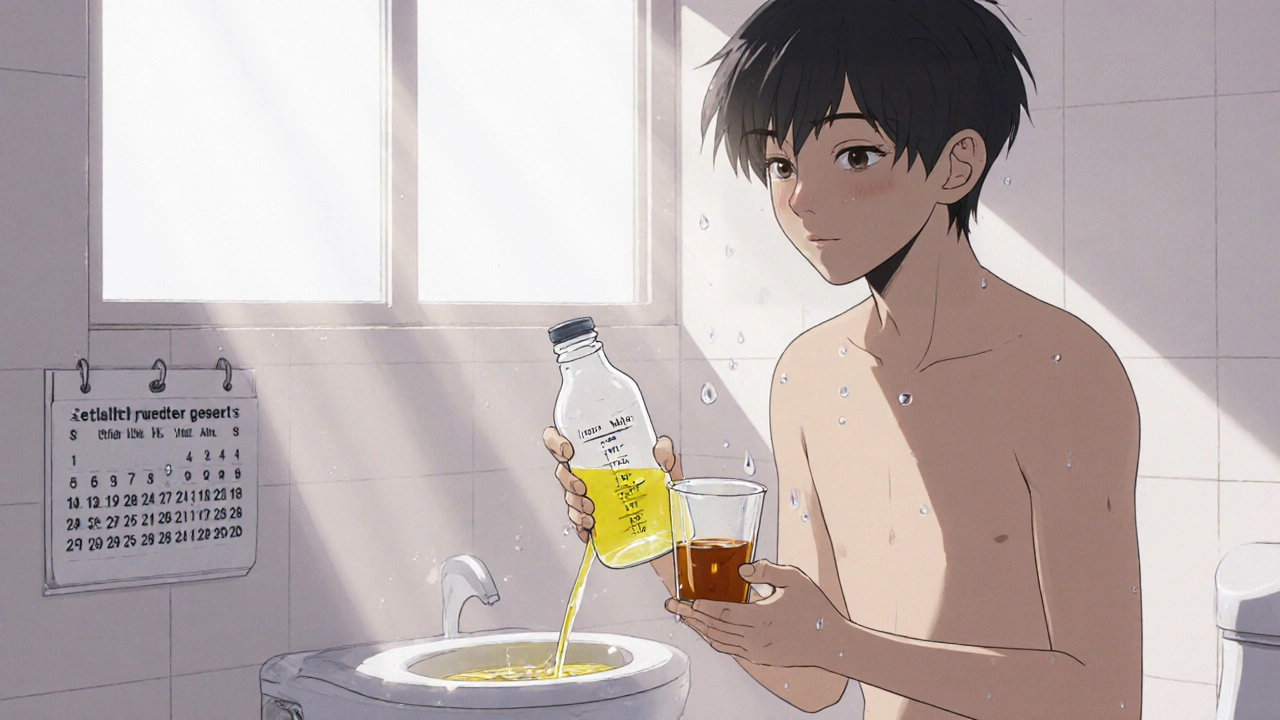
One of the biggest mistakes people make is avoiding calcium. That’s backwards. Low calcium intake actually increases your risk because calcium binds to oxalate in the gut and helps flush it out before it reaches the kidneys. Instead of skipping dairy or leafy greens, focus on getting calcium from food—not supplements. Foods like yogurt, milk, and cheese are your friends here. But watch out for high-oxalate foods like spinach, nuts, beets, and chocolate. These can stick around in your urine and turn into stones if you’re not drinking enough water. Speaking of water, you need at least 2.5 to 3 liters a day. That’s not a suggestion—it’s a requirement. Clear or light yellow urine? You’re on track. Dark yellow? You’re behind.
Then there’s sodium. Too much salt means more calcium in your urine, which feeds stone growth. Processed snacks, canned soups, and even bread can be sneaky culprits. Cutting back doesn’t mean no salt—it means reading labels and cooking more at home. And don’t forget about animal protein. Too much meat, poultry, or fish can raise uric acid and lower citrate, both of which help stones form. You don’t have to go vegan, but swapping one meat-heavy meal a day for beans or tofu can make a real difference.
Some people hear "kidney stone diet" and think it’s all about restrictions. But it’s really about balance. It’s about knowing that a glass of lemonade (real, unsweetened) can help because citrate blocks stone formation. It’s about understanding that your body isn’t broken—it’s just reacting to habits that need adjusting. The posts below give you real, no-fluff details on how specific foods affect your kidneys, what supplements might help or hurt, and how to track your progress without guessing. You’ll find advice on hydration, calcium sources, oxalate levels, and even how medications like tolvaptan interact with your diet. No jargon. No scare tactics. Just what works.