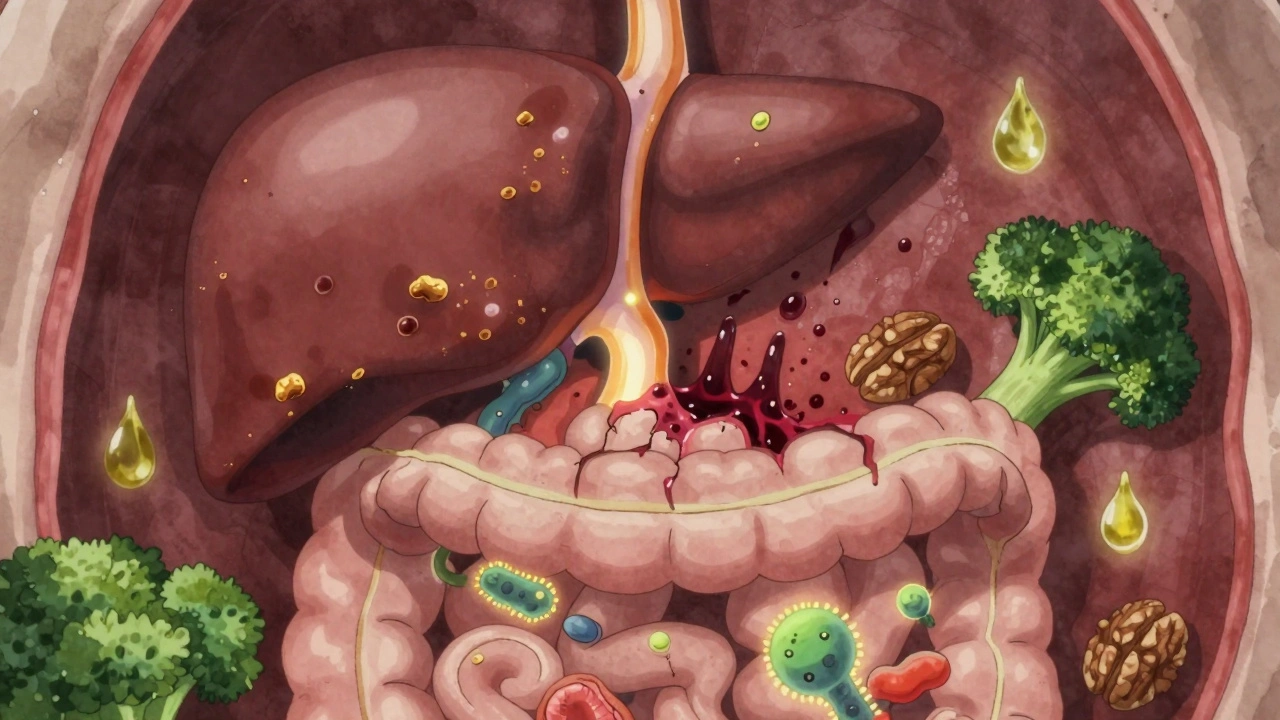
When your liver stores too much fat—not from drinking alcohol, but from diet, metabolism, or insulin resistance—you’re dealing with nonalcoholic fatty liver disease, a condition where excess fat builds up in liver cells without alcohol being the cause. Also known as NAFLD, it’s the most common liver disorder in the U.S., affecting nearly 1 in 4 adults. Many people don’t know they have it because there are no symptoms at first. But left unchecked, it can lead to inflammation, scarring, and even liver failure.
This isn’t just about being overweight. insulin resistance, a key driver behind type 2 diabetes is often the hidden engine. When your body can’t use insulin properly, fat gets dumped into the liver instead of being burned for energy. liver enzyme levels, like ALT and AST, are often the first clue doctors find during routine blood tests. High levels don’t mean you have NAFLD for sure, but they’re a red flag that your liver is under stress. And while some people never progress beyond simple fat buildup, others develop NASH—nonalcoholic steatohepatitis—which is the inflammatory, damaging form of the disease.
What you eat matters more than you realize. fatty liver diet, a term used to describe eating patterns that reduce liver fat and improve insulin sensitivity isn’t about extreme restriction. It’s about cutting back on sugar, especially high-fructose corn syrup in sodas and processed snacks, and swapping refined carbs for whole grains, vegetables, and lean proteins. Studies show losing just 5-10% of your body weight can significantly reduce liver fat. Exercise helps too—even walking 30 minutes a day improves how your liver handles fat.
There’s no magic pill for NAFLD. Medications like statins or diabetes drugs might help if you have those conditions, but they’re not approved to treat fatty liver itself. The real treatment? Lifestyle changes that stick. And the good news? The liver can heal. Fat doesn’t have to be permanent. Many people reverse early-stage NAFLD with simple, consistent habits.
Below, you’ll find real-world guides on how medications, supplements, and everyday choices impact liver health. From how common drugs like ibuprofen affect liver enzymes, to whether probiotics help gut-liver connections, to what dietary changes actually work—these posts cut through the noise and give you what you need to take action.