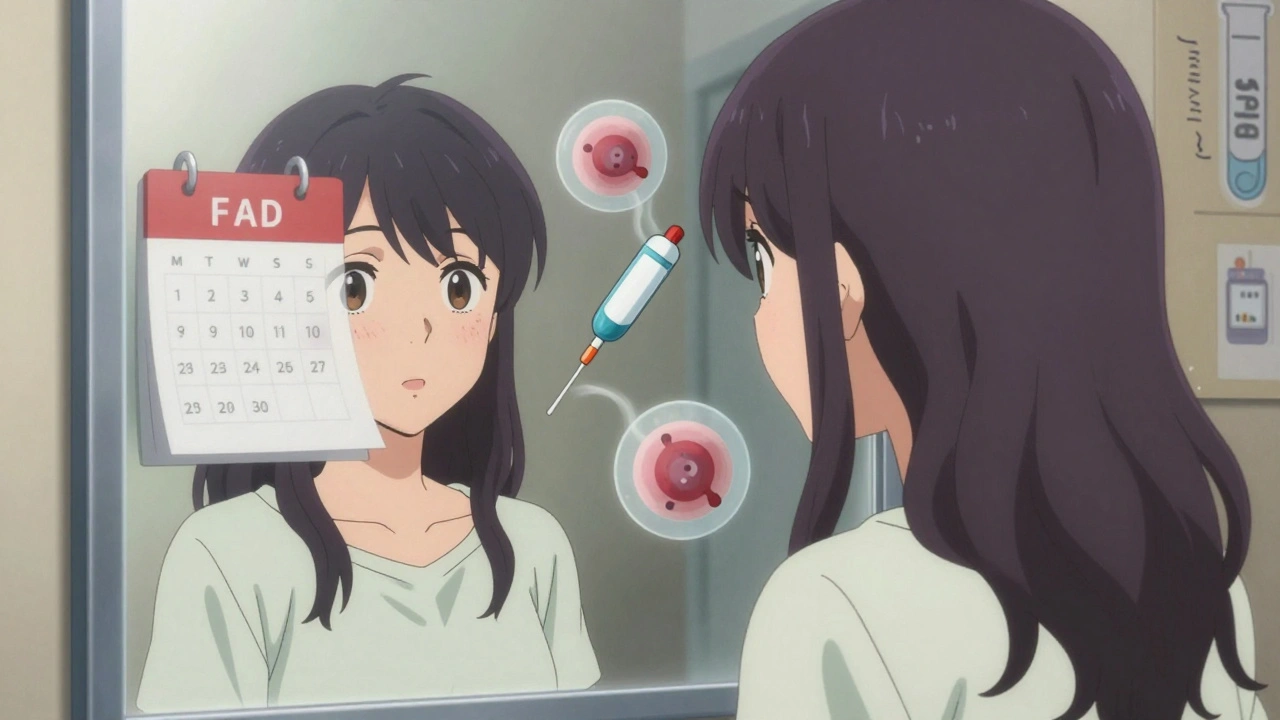
When you’re trying to get pregnant and PCOS infertility, a common hormonal disorder that disrupts ovulation and is linked to insulin resistance and metabolic issues. Also known as polycystic ovary syndrome, it doesn’t mean you can’t have a baby—it just means your path might look different than others. About 70% of women with PCOS struggle with irregular or absent ovulation, which is the main reason it leads to infertility. But here’s the thing: most cases are treatable. You don’t need to wait years or jump straight to IVF. The real key lies in understanding what’s happening inside your body—and what steps actually move the needle.
One of the biggest hidden drivers of PCOS infertility is insulin resistance, a condition where your body doesn’t respond properly to insulin, leading to higher blood sugar and increased androgen production. This isn’t just about weight—it’s about how your cells process energy. Even women who aren’t overweight can have it. That’s why simply telling someone to "lose weight" misses the point. What works better? Improving insulin sensitivity through diet, movement, and sometimes metformin. Studies show that even a 5-7% drop in body weight can restore ovulation in many women. And it’s not magic—it’s biology.
Another critical player is ovulation induction, the medical process of triggering egg release using medications like clomiphene or letrozole. Letrozole, originally a breast cancer drug, is now the first-line treatment for PCOS infertility because it’s more effective than clomiphene and has fewer side effects. Many women don’t know this—doctors still prescribe clomiphene by default. But evidence says otherwise. And if those don’t work? Injectable fertility drugs or IVF are options, but they’re not always necessary. The goal is to start with what’s safest, cheapest, and most effective—before moving to high-cost interventions.
What you eat matters more than you think. A diet high in refined carbs and sugar feeds insulin resistance. Switching to whole foods, lean proteins, and healthy fats isn’t a fad—it’s a medical tool. Research from the American Society for Reproductive Medicine shows that women with PCOS who follow a low-glycemic diet improve ovulation rates by up to 40%. And it’s not about starving yourself. It’s about eating smarter. Supplements like inositol, vitamin D, and omega-3s also show real benefits—not as magic pills, but as supportive tools that help your body respond better to treatment.
There’s a lot of noise out there: miracle teas, detoxes, acupuncture as a cure-all. Some of these might help with stress or sleep, but they won’t fix insulin resistance or restart ovulation on their own. What works is science-backed, consistent action: tracking your cycle, testing your hormones, working with a doctor who understands PCOS beyond the surface. You’re not broken. You’re not failing. You just need the right map.
Below, you’ll find real, practical guides from women who’ve been there—how to talk to your provider about meds, what supplements actually help, how to monitor symptoms that signal improvement, and how to avoid common mistakes that delay progress. No fluff. No promises. Just what the evidence says—and what you can do starting today.