When you prevent kidney stones, you’re stopping painful mineral buildups in your urinary tract before they form. Also known as nephrolithiasis, this isn’t just about drinking more water—it’s about understanding what your body needs to stop crystals from turning into stones. About 1 in 11 people in the U.S. will get a kidney stone in their lifetime, and many of them happen again because people don’t change what they’re doing after the first one.
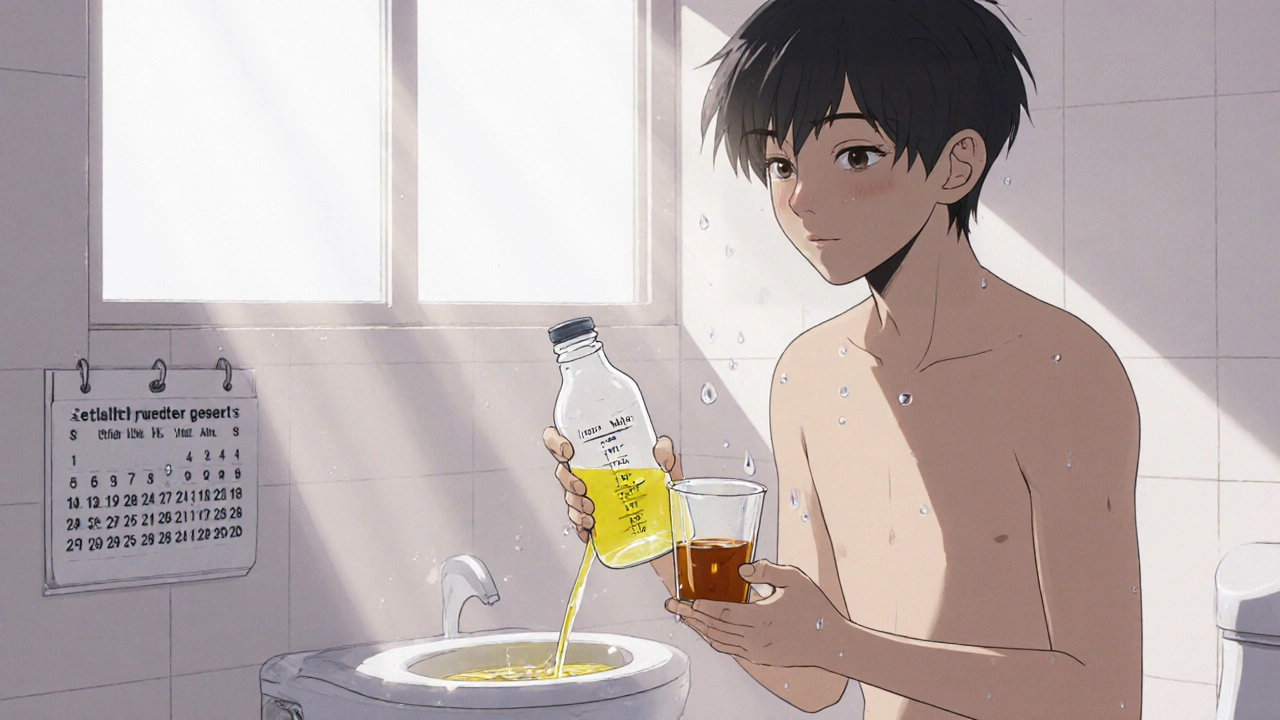
What most people don’t realize is that hydration, the simple act of drinking enough fluid daily is the #1 tool to prevent kidney stones. You don’t need fancy drinks—just water. Aim for enough urine to be light yellow or clear. That’s usually 2 to 2.5 liters a day, more if you sweat a lot or live in a hot climate. Skipping this step is like trying to wash dishes with a dry sponge.
Dietary changes, adjusting what you eat to reduce stone-forming minerals matter just as much. Too much salt? That pushes calcium into your urine. Too much animal protein? That raises uric acid. Even too much vitamin C supplements can turn into oxalate, a common stone builder. But here’s the twist: you don’t need to cut out calcium. In fact, getting calcium from food like dairy, leafy greens, or fortified foods helps bind oxalate in your gut so it doesn’t reach your kidneys. Avoiding calcium because you think it causes stones? That’s backward.
Some stones are linked to genetics or medical conditions, but for most people, the fix is simple: drink more water, eat less salt, get calcium from food, and limit processed foods. You won’t find a magic pill, but you will find a pattern in the data—people who stick to these basics have far fewer recurrences. The posts below show real cases: how someone stopped recurring stones by switching to a low-sodium diet, how a man reduced his stone risk after learning his urine pH was too acidic, and how a woman avoided surgery by changing her coffee and soda habits. These aren’t theories—they’re lived experiences backed by what doctors see every day.
If you’ve had a stone before, you know how bad it is. If you haven’t, you’re probably not thinking about it—but you should. The steps to prevent kidney stones are easy. The pain of ignoring them? Not worth it.