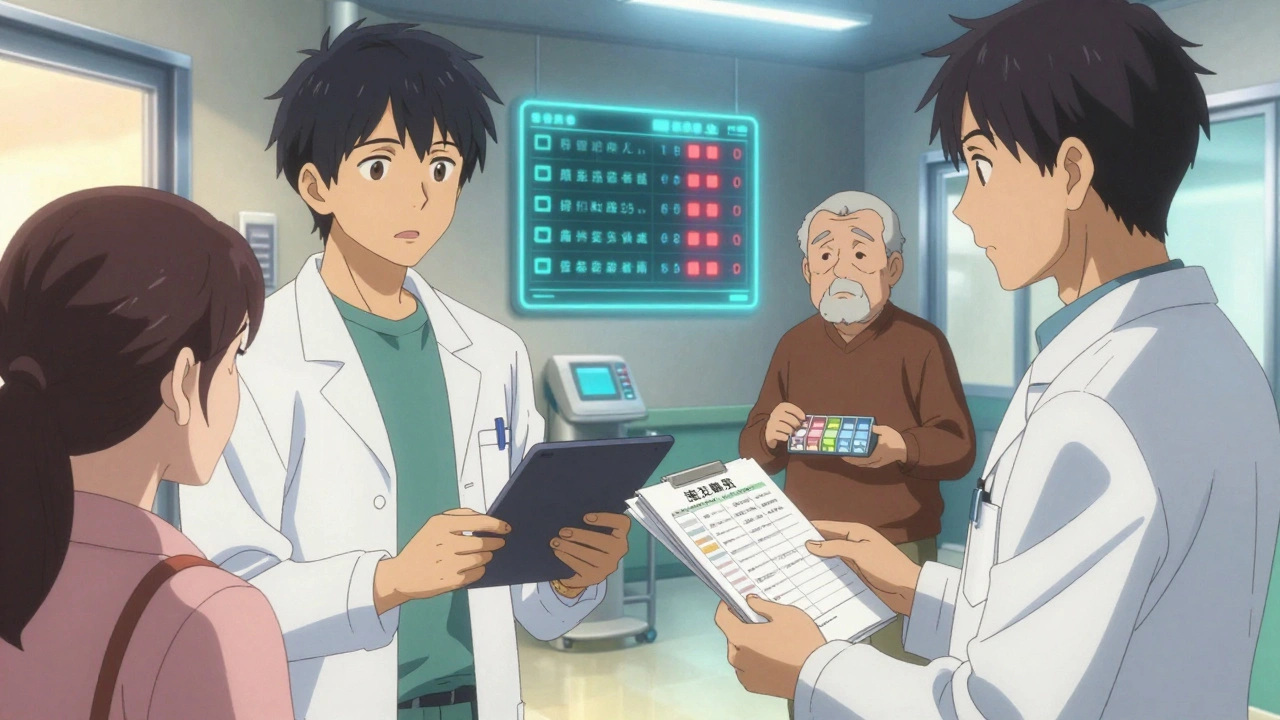
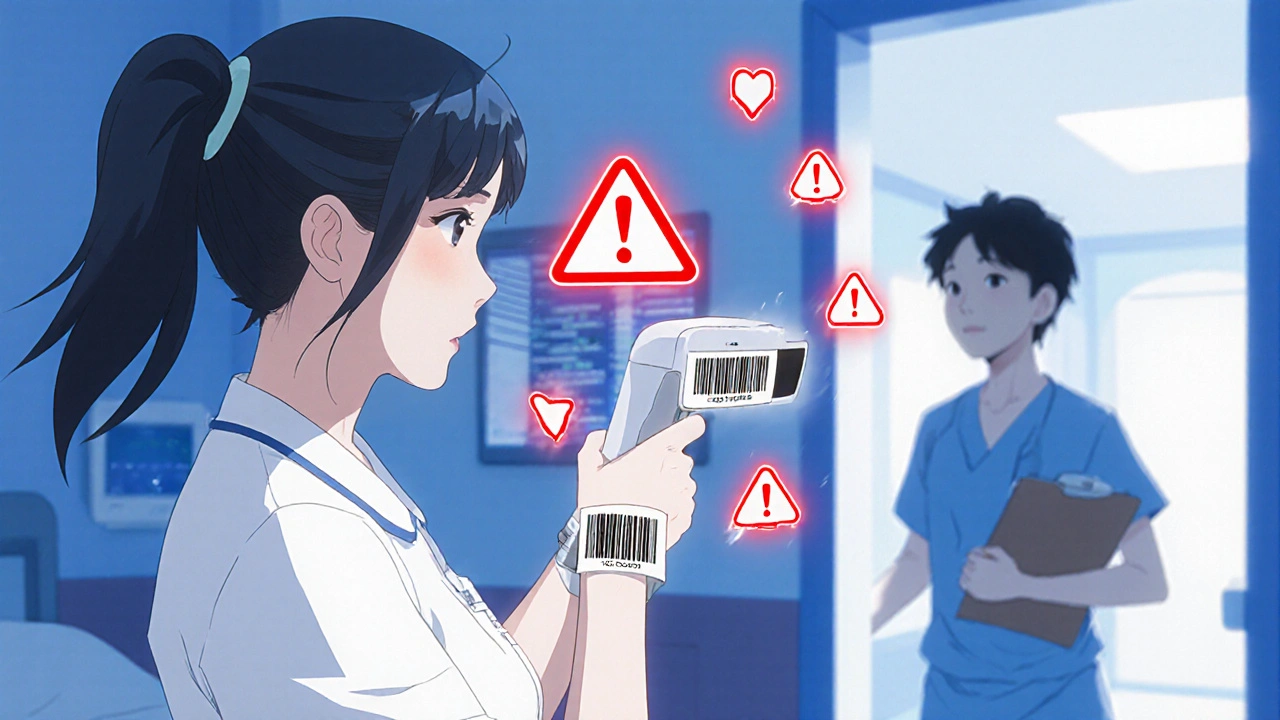
When you switch doctors, get discharged from the hospital, or start a new prescription, medication reconciliation, the process of comparing a patient’s current medications with newly ordered ones to avoid errors. Also known as drug reconciliation, it’s not just paperwork—it’s a safety net that stops deadly mistakes before they happen. Every year, thousands of people end up in the ER because their meds weren’t checked properly. A pill you’ve taken for years might clash with a new one. A dose you forgot to mention could cause an overdose. Medication reconciliation fixes that by making sure every drug—prescription, over-the-counter, or supplement—is listed, verified, and matched across all care settings.
This isn’t just for seniors on ten pills a day. It matters for anyone on blood thinners, diabetes meds, or even common painkillers. drug interactions, when two or more medications react in harmful ways are behind many preventable hospitalizations. Take scopolamine for motion sickness—it’s powerful, but mixing it with sleep aids or opioids can shut down breathing. Or consider fluoroquinolone antibiotics: they can tear tendons, especially when combined with steroids. Medication reconciliation catches these risks by asking: What are you really taking? And why? It’s not about guessing. It’s about comparing lists from your pharmacy, your doctor, and your own memory.
Who does this? Nurses, pharmacists, and sometimes even you—when you bring your own pill bottles to appointments. It’s done at admission, discharge, and during transitions between care sites. pharmacy safety, the system of checks that prevents harmful medication errors in clinical settings relies on this step. Without it, a patient might get two drugs that lower potassium, or miss a critical allergy warning. patient safety, the broader goal of reducing harm during medical care starts here. And medication errors, mistakes in prescribing, dispensing, or taking drugs drop by up to 70% in hospitals that do it right.
You’ll find posts here that show real cases: how seniors are monitored for over-sedation, why certain antibiotics are now restricted, how to spot dangerous side effects from steroids or blood thinners. These aren’t random stories—they’re all connected to the same core idea: if you don’t know what someone is taking, you can’t keep them safe. The posts below give you the tools to understand those risks, recognize the signs, and ask the right questions. Whether you’re a patient, caregiver, or healthcare worker, this is the foundation you need to avoid the next preventable mistake.